


News & Blog
Stay connected with Tenerife through the latest travel tips, local news & events, property insights and hidden island gems. Discover inspiration for your next holiday, smart investment opportunities and the best experiences across Tenerife with NOVA TENERIFE.
Latest Articles
Explore our collection of articles focusing on natural beauty, points of interest, local events, investment opportunities, island lifestyle, and local gastronomy.
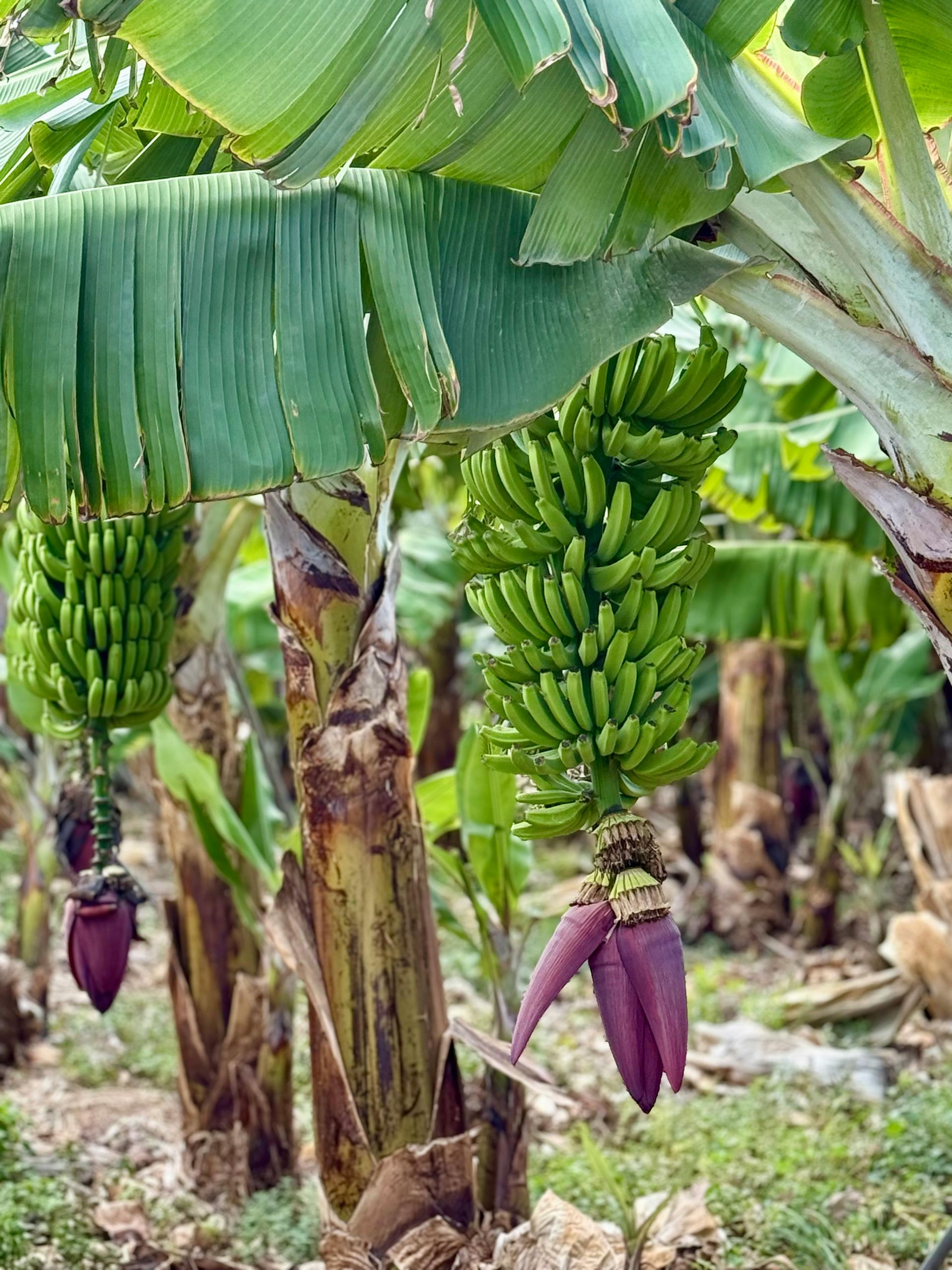
BANANA ISLAND
The world of Tenerife "plátanos".
Discover the lush nature of Tenerife, its iconic banana plantations and the unique local culture behind one of the island’s most famous symbols. Thanks to the warm climate and fertile volcanic soil, Tenerife is home to beautiful green landscapes and some of the sweetest bananas in Europe. Explore traditional plantations, local flavors and the authentic side of island life.
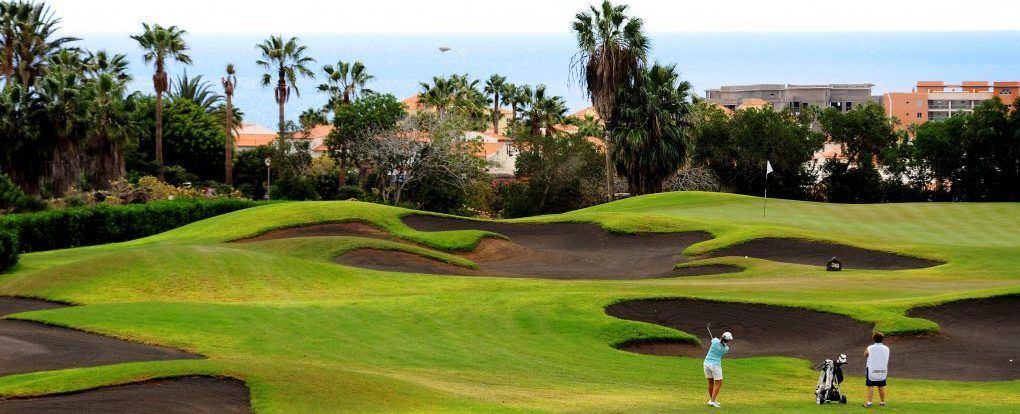
GOLF COURSES
Play golf 12 months a year in paradise.
Discover some of the most spectacular golf courses in Tenerife and the Canary Islands, where year-round sunshine, ocean views and volcanic landscapes create a truly unique golfing experience. From luxury resorts to championship courses surrounded by nature, the Canary Islands are a paradise for every golf lover.

ARROZ CALDOSO
A taste of Spain in a single bowl.
Arroz Caldoso is one of those dishes that will warm you up, satisfy your hunger, and delight your taste buds with the intense flavors of the Mediterranean and traditional Spanish cuisine, blending the taste of the sea with the aroma of fresh vegetables and subtle spices.
North or South Tenerife? Where Should You Stay? The Honest Local Guide
Tenerife is one island — but it can feel like two completely different worlds.
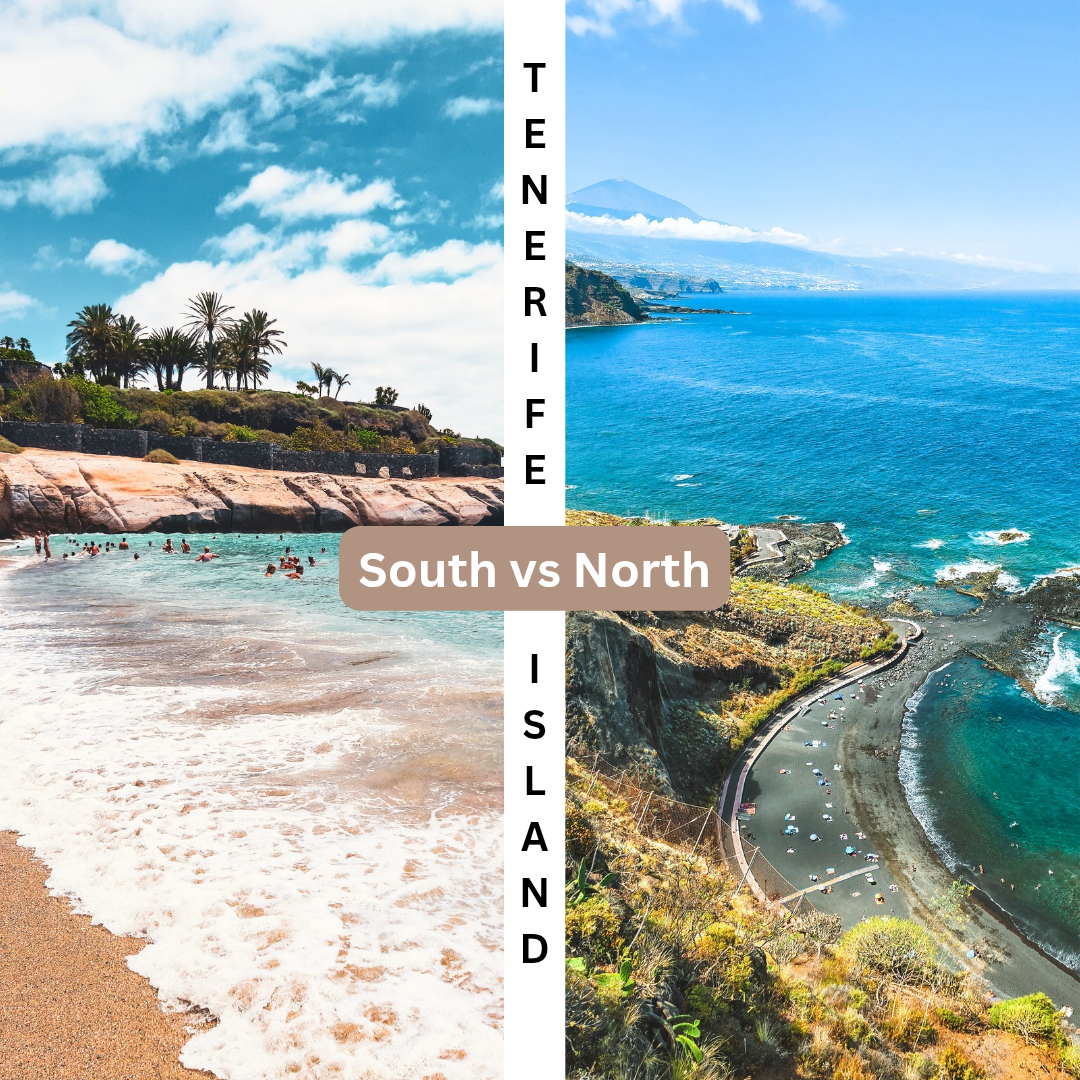
If you're planning your first trip to Tenerife, one of the biggest decisions is not which hotel to book or which beach to visit.
It is where on the island you should stay.
Should you choose the sunny south around Costa Adeje, Playa de las Américas or Los Cristianos?
Or would you be happier surrounded by greenery, traditional towns and dramatic landscapes in the north?
The answer depends entirely on what you want from your holiday.
And after living on Tenerife and exploring the island from coast to coast, we can tell you one thing:
There is no universally "best" part of Tenerife. There is only the best part for you.
SOUTH TENERIFE – SUN, BEACHES AND HOLIDAY LIFE
The south is where most visitors naturally start.
Areas such as Costa Adeje, Playa de las Américas, Los Cristianos, La Caleta, Golf del Sur and Los Gigantes offer excellent tourist infrastructure, plenty of restaurants and bars, beautiful beaches and a huge choice of accommodation.
The biggest advantage?
The weather.
The south is generally drier and sunnier, particularly around the southwest coast. While Tenerife has a subtropical climate throughout the year, the island's mountains create very different microclimates between north and south.
That means you can sometimes leave a cloudy northern town and arrive in sunshine just a short drive away.
The south is ideal if you want:
- Beautiful sandy beaches
- Maximum chances of sunshine
- Restaurants, bars and nightlife
- Shopping and tourist facilities
- Family-friendly resorts
- Golf
- Whale and dolphin excursions
- Boat trips
- Water sports
- A huge choice of hotels and holiday apartments
If your idea of a Tenerife holiday is breakfast overlooking the ocean, a few hours on the beach, dinner at a nice restaurant and a cocktail at sunset, the south is probably the right choice.
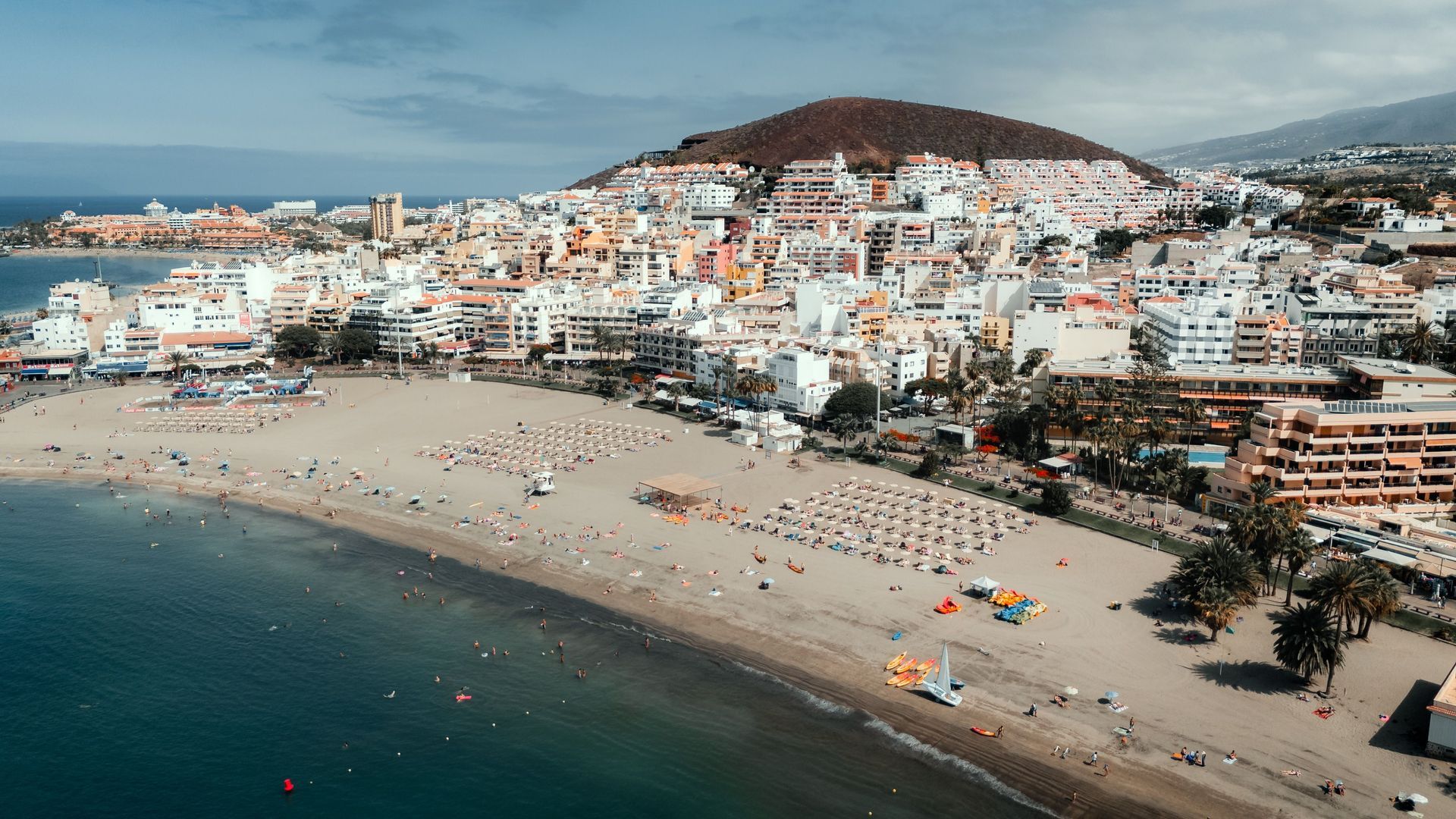
NORTH TENERIFE – GREEN, AUTHENTIC AND LOCAL
Head north and Tenerife starts to feel different.
The landscape becomes greener. The towns become more traditional. The dramatic volcanic coastline replaces many of the wide resort beaches.
Places such as Puerto de la Cruz, La Orotava, Garachico, Icod de los Vinos, Los Realejos and La Laguna offer a completely different experience.
Here you'll find:
- Banana plantations
- Volcanic landscapes
- Historic old towns
- Lush valleys
- Local vineyards
- Traditional restaurants
- Natural swimming pools
- Hiking trails
- Incredible photography locations
The north is particularly beautiful if you want to experience Tenerife beyond the resorts.
And don't assume that "north" means cold. - It doesn't.
The north simply has a different microclimate. It can be greener, more humid and cloudier, particularly around the mountains, while still enjoying pleasant temperatures.
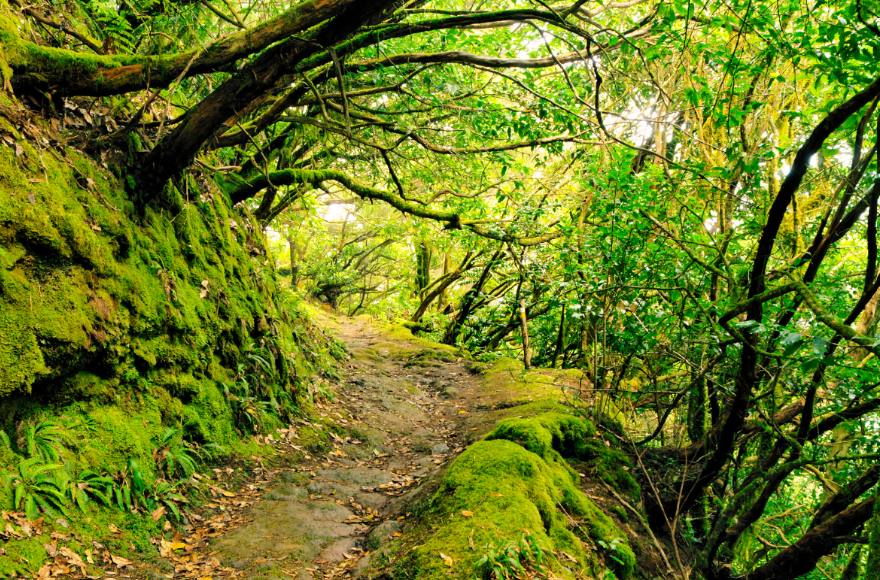
SOUTH OR NORTH: WHAT'S BETTER FOR THE BEACH?
If beaches are your priority, we'd generally choose the south.
The south has many beaches designed around tourism, with facilities, sunbeds, restaurants, promenades and easier access.
Some have light-coloured sand and relatively sheltered swimming conditions.
The north is different.
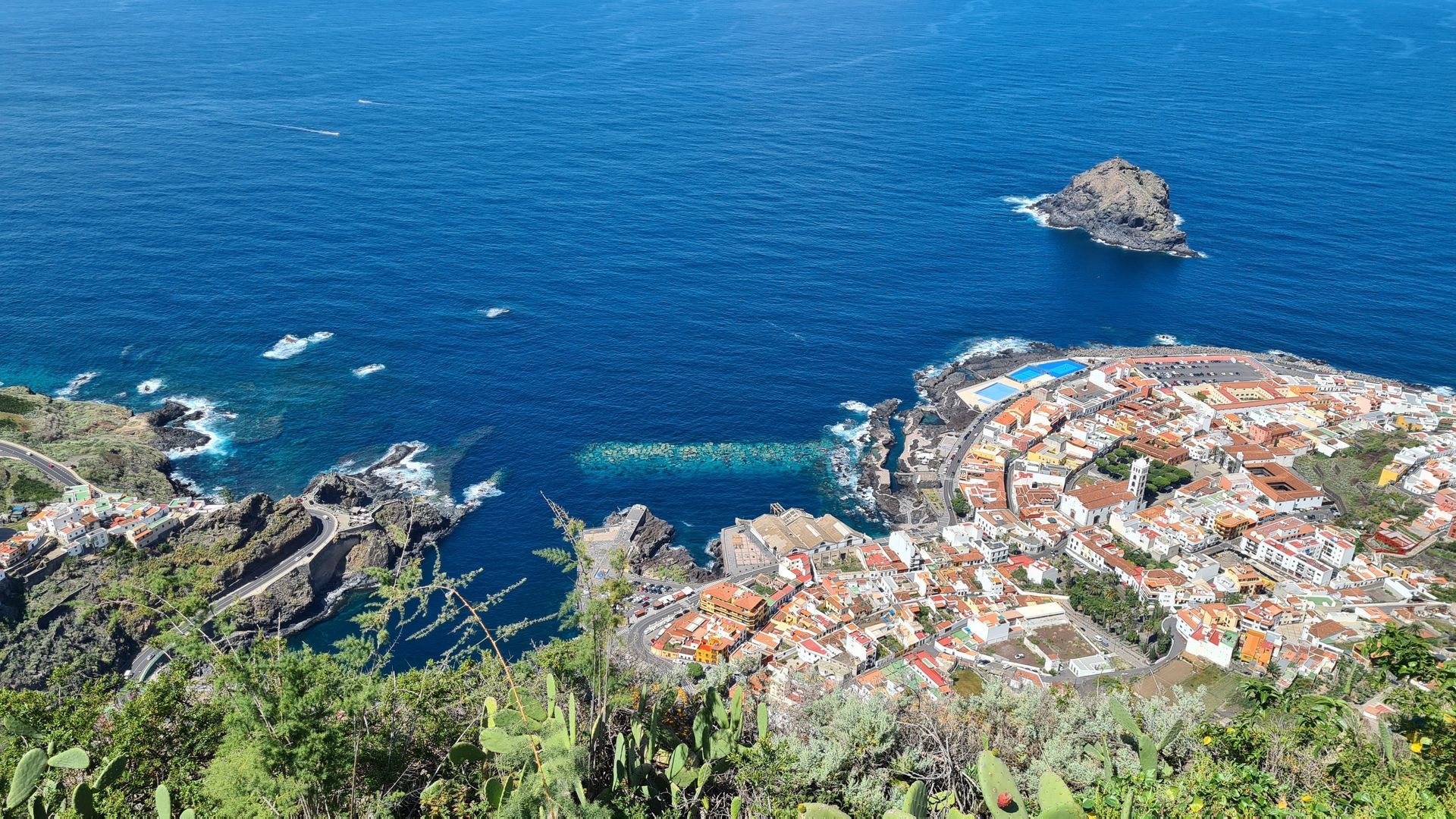
Here you'll find dramatic black volcanic beaches and natural pools. They can be spectacular — but the Atlantic can also be much more powerful.
Places such as Garachico, Bajamar and Mesa del Mar are fantastic examples of Tenerife's volcanic coastline.
So:
For classic beach holidays → South.
For dramatic volcanic coastline → North.
WHERE IS THE WEATHER BETTER?
This is probably the question we receive most often.
South = generally sunnier and drier
North = generally greener and more humid
Tenerife's mountains have a huge influence on the island's weather.
The trade winds bring moisture towards the north, helping create the lush landscapes around areas such as Anaga and the Valle de La Orotava.
The south, meanwhile, is considerably drier.
This is one of the reasons Tenerife is so fascinating: the weather can change dramatically without you ever leaving the island.
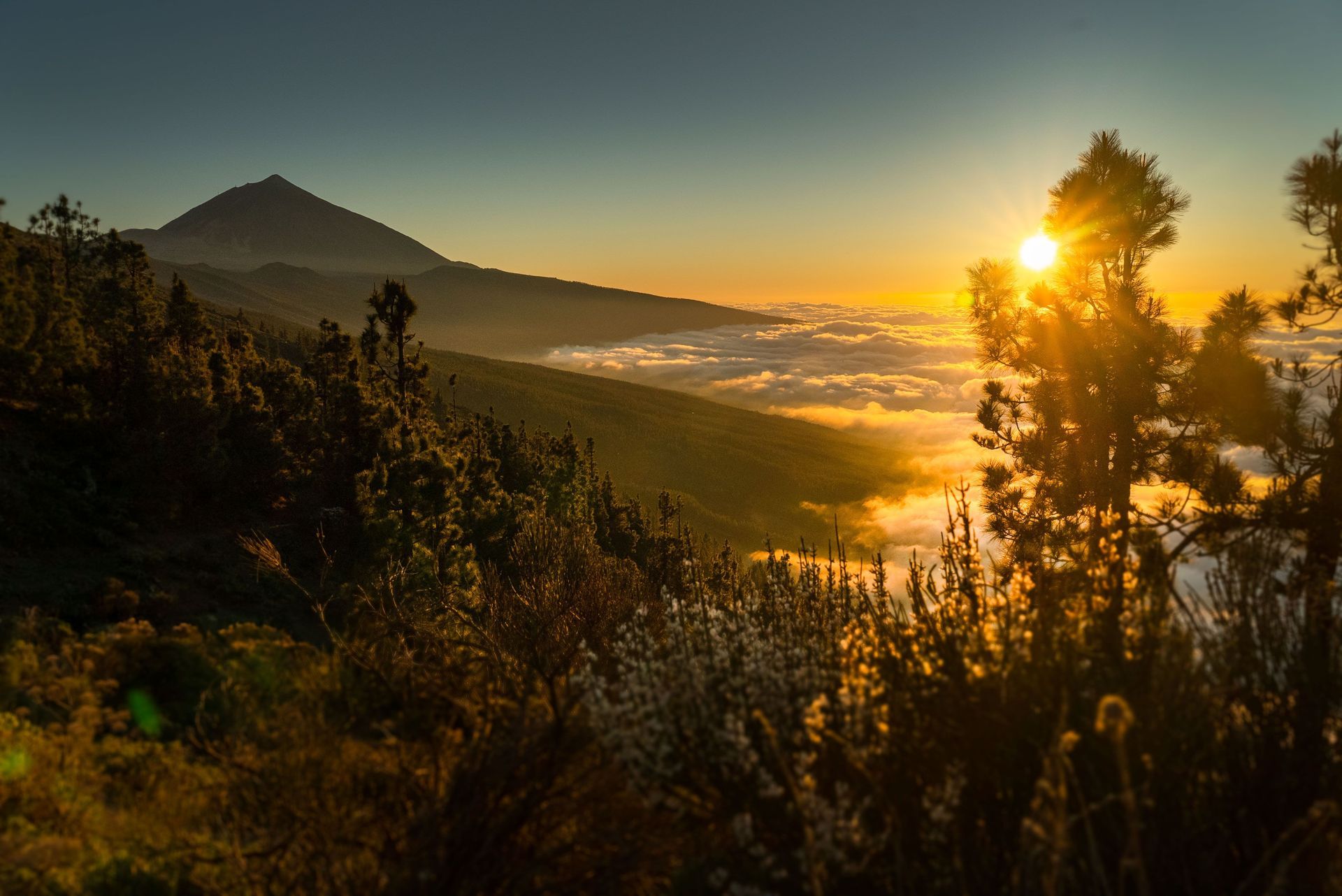
You can have sunshine at the coast in the south, clouds around La Orotava and completely different conditions at 2,000 metres in Teide National Park — all on the same day.
DO YOU NEED A CAR?
This depends on where you stay.
If you're staying in Costa Adeje, Los Cristianos or Playa de las Américas and mainly want beaches, restaurants and organised excursions, you can manage without a car. There are buses, taxis and plenty of excursions.
But if you want to discover the real Tenerife, we strongly recommend renting a car.
Especially if you want to visit:
- Anaga
- Masca
- Garachico
- Teno
- Teide
- La Orotava
- Rural villages
- Hidden viewpoints
- Remote beaches
The roads around the island are generally good, but mountain roads can be narrow and winding. Don't rush. The journey is often part of the experience.
WHAT ABOUT HIKING?
If hiking is one of the main reasons you're visiting Tenerife, don't automatically choose the south just because the weather is better.
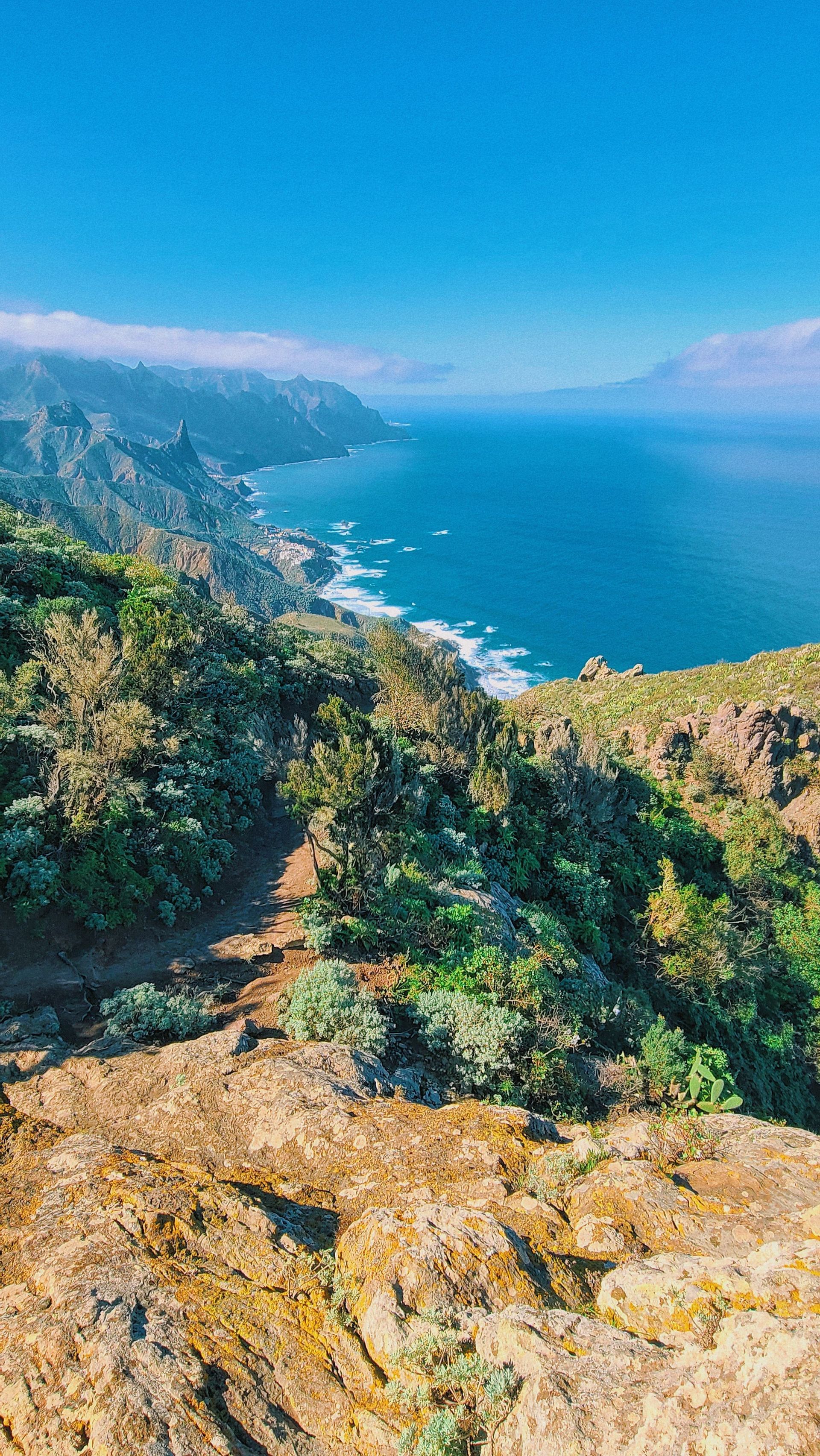
The north and northeast offer some of the island's most spectacular hiking landscapes.
The Anaga Rural Park is completely different from the volcanic scenery around Teide.
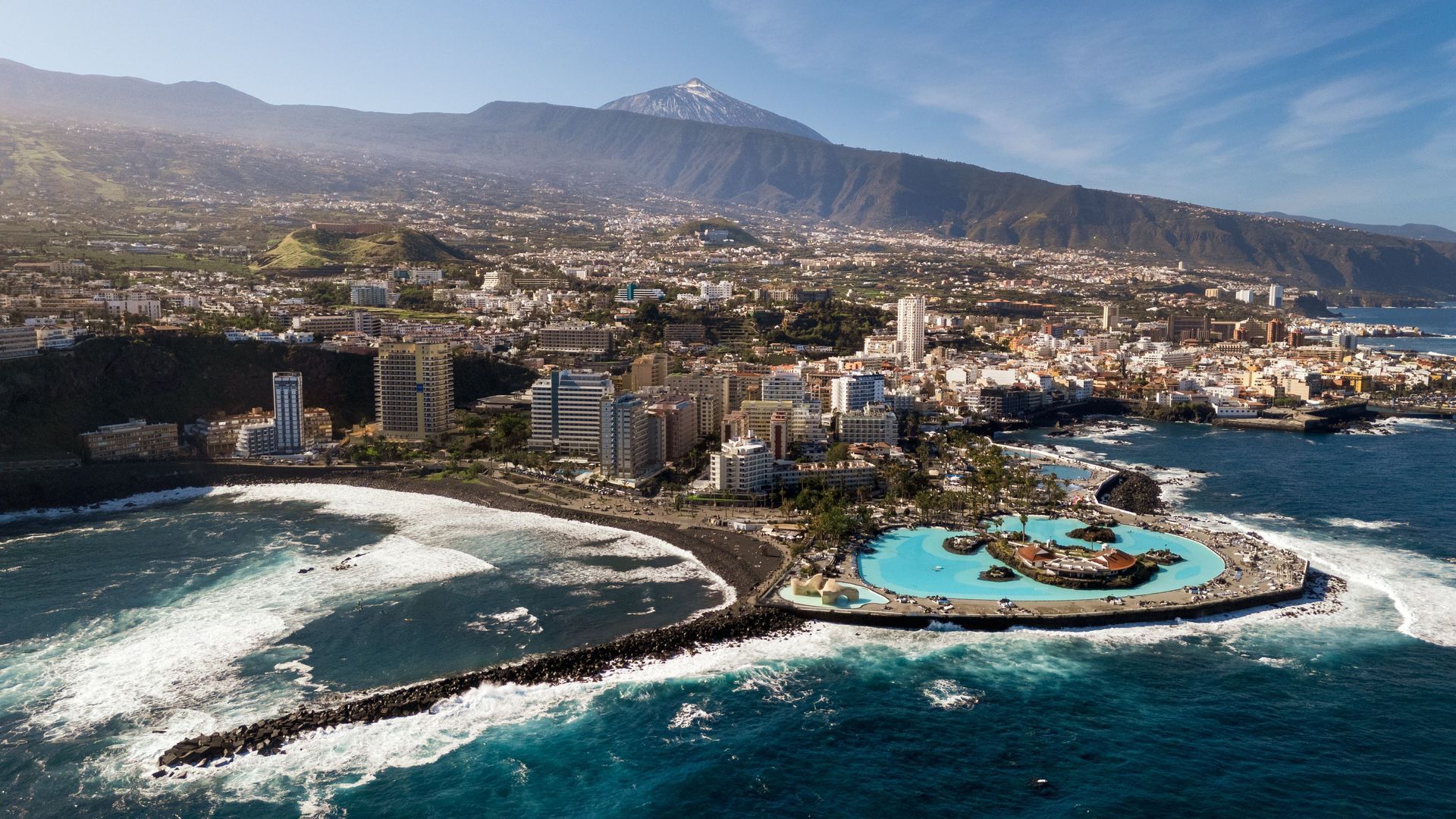
You'll find ancient laurel forests, steep valleys, mountain villages and spectacular ocean viewpoints.
Then there is Teno in the northwest and, of course, the enormous landscapes of Teide National Park.
The good news?
You can reach most of these areas from the south by car. So you don't necessarily have to stay in the north to experience them.
WHERE SHOULD YOU GO FOR LOCAL FOOD?
If authentic Canarian food is important to you, don't limit yourself to the tourist areas.
Head into the smaller towns and rural areas. Look for traditional guachinches, where local food and wine are often served in a much more informal atmosphere.
Try:
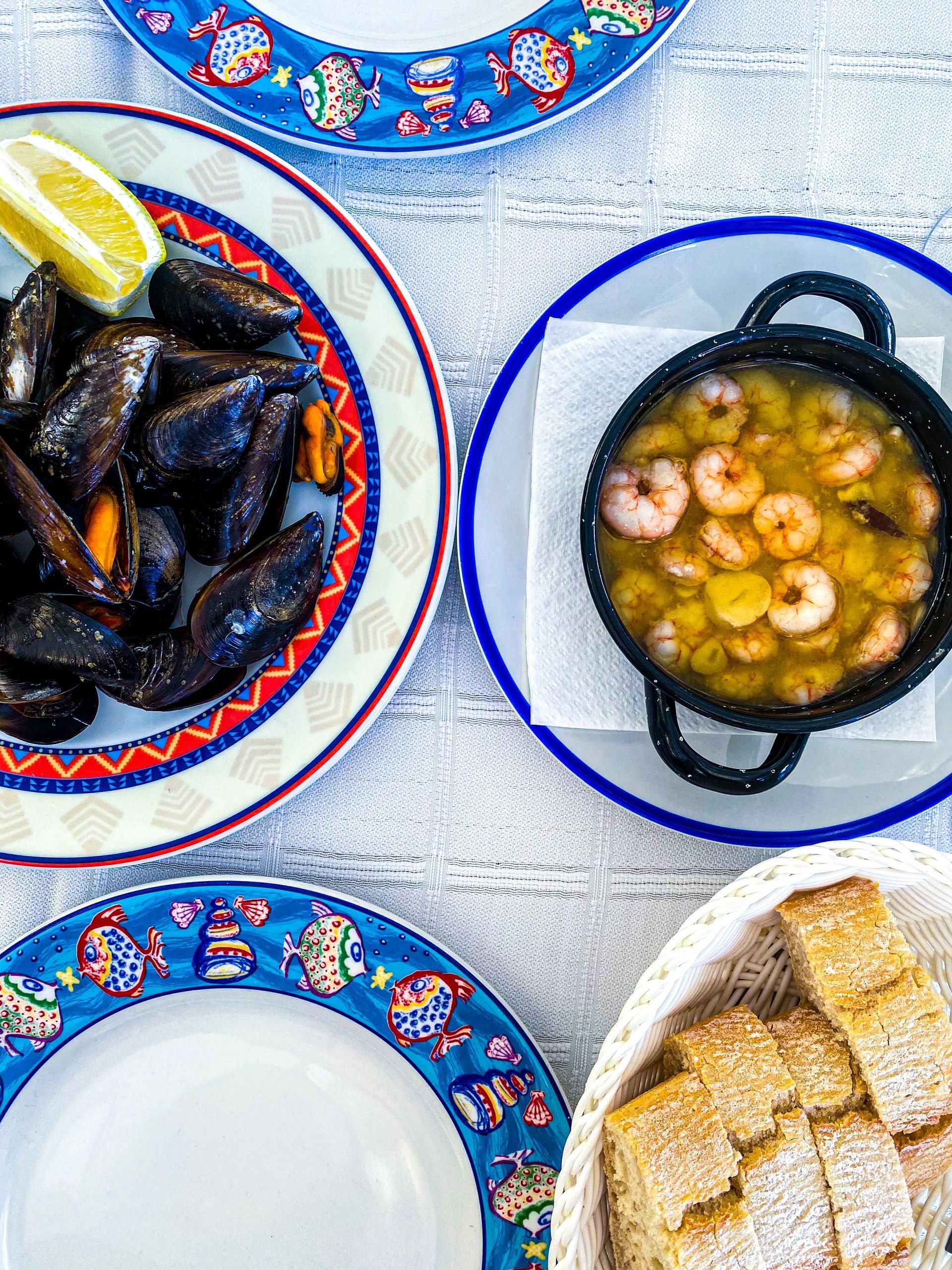
Papas arrugadas
Mojo rojo & verde
Garlic prawns
Fresh local fish
Carne fiesta
Gofio
Local Canarian wine & cheese
And don't be afraid if the restaurant doesn't look like something from Instagram. Sometimes the most ordinary-looking places serve the most memorable meals.
IS THE SOUTH MORE EXPENSIVE?
Generally, the most touristy areas of the south are be more expensive, particularly in prime beachfront locations.
But Tenerife has accommodation and restaurants for almost every budget.
And the difference isn't simply "north = cheap, south = expensive."
You can find luxury properties in the north and affordable accommodation in the south.
Location, season, property type and proximity to the ocean often matter much more than simply choosing north or south.
SO… WHERE SHOULD YOU STAY?
Here's our simple guide:
If you want…We recommend…
Sunshine & beaches = South
Resort holiday = South
Family holiday = South
Nightlife = South
Golf = South
Green landscapes = North
Traditional towns = North
Local food & wine = North
Hiking = North
Photography = Both
Volcanoes & Teide = Both
Romantic escape = Both
Quiet holiday = North
Dramatic Atlantic coastline =
North
OUR HONEST ANSWER?
If this is your first trip to Tenerife, we'd suggest staying in the southwest if you want the easiest combination of sunshine, beaches, restaurants and activities.
But don't spend your entire holiday there.
Rent a car and explore the rest of the island.
Drive north.
Get lost in the small villages.
Stop at a viewpoint.
Eat somewhere you didn't find on Instagram.
Walk through the banana plantations.
Visit Garachico.
Drive through the Anaga mountains.
Watch the clouds move around Teide.
And then come back to your sunny terrace in the south.
Because that's the real magic of Tenerife.
You don't have to choose between the beach and the mountains.
You can have both!
10 Beautiful Places in Tenerife
You Will Fall in Love With
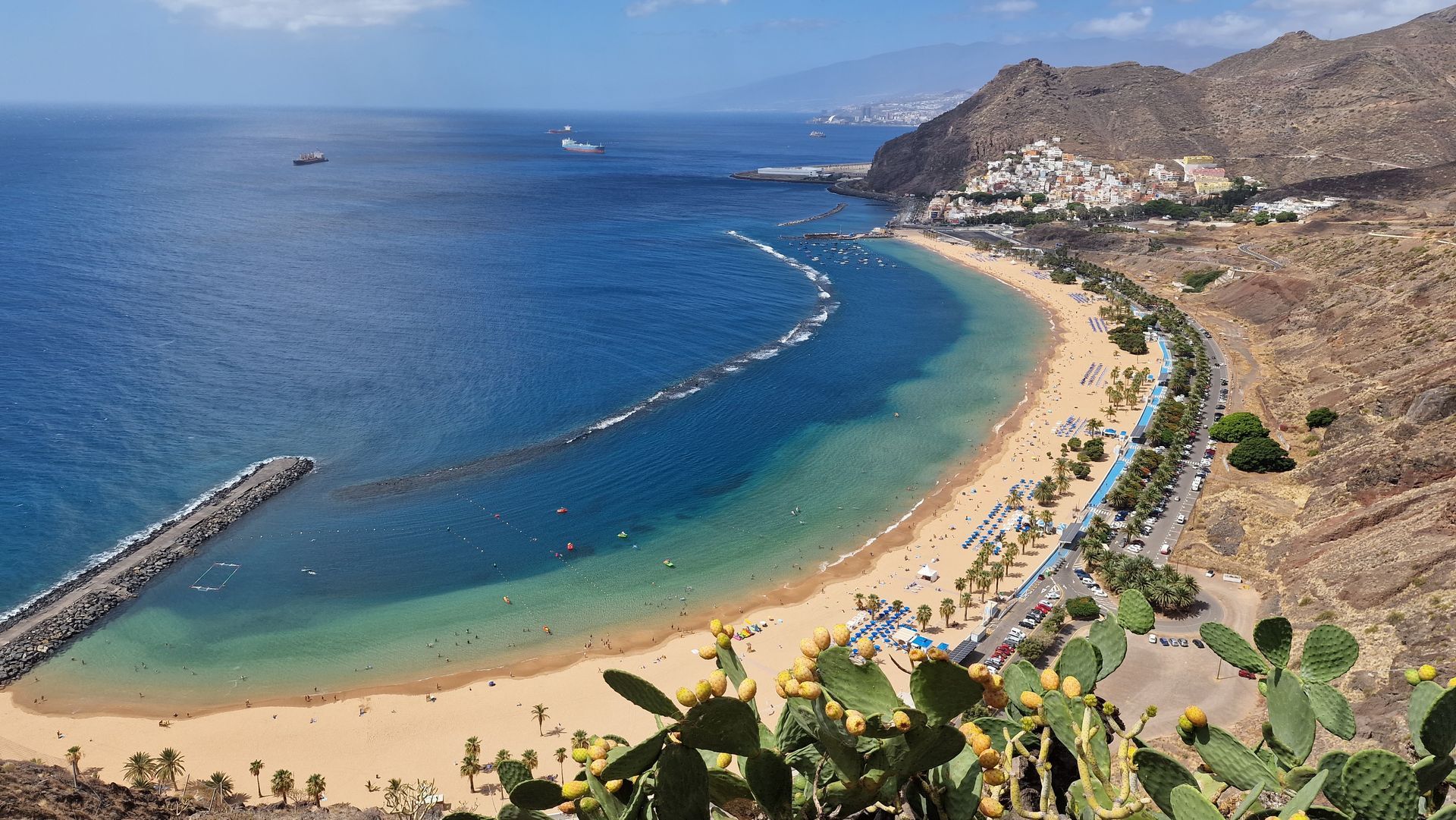
Tenerife, the largest of the seven Canary Islands, is a place where dramatic volcanic landscapes meet lush forests, charming towns, and endless views of the Atlantic Ocean.
Thanks to its pleasant year-round climate, the island has become one of Europe's most popular destinations, offering the perfect balance between adventure, relaxation, and an exceptional quality of life.
Whether you are planning your next holiday, looking for hidden gems, or dreaming about owning a home under the sun, these are ten of the most beautiful places in Tenerife that deserve a spot on your itinerary.
1. Teide National Park – Home to Spain's Highest Peak
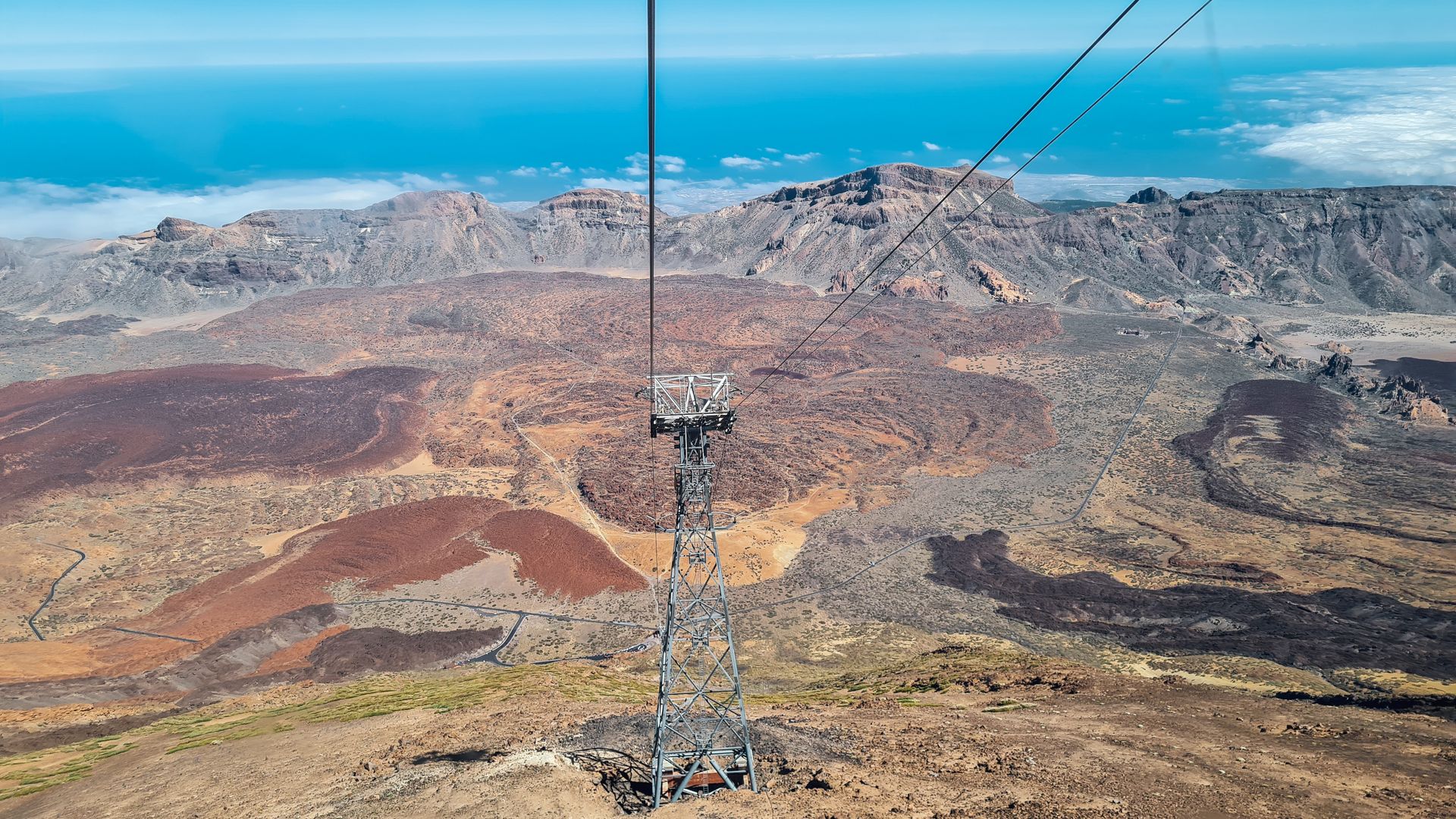
No visit to Tenerife would be complete without exploring Teide National Park. Dominated by Mount Teide, Spain's highest mountain at 3,715 meters, this UNESCO World Heritage Site offers some of the most extraordinary landscapes in Europe.
The park's volcanic formations and lava fields create an almost lunar atmosphere. Visitors can drive through the park and stop at numerous viewpoints or take one of the hiking trails to experience its beauty up close. The cable car takes you to over 3,500 meters above sea level, where breathtaking views await.
From 2026, access is more regulated to protect the environment. Some hiking routes, especially the summit trail, now require advance permits, and visitor numbers on popular paths are limited with time slots. Parking and cable car access can also be restricted during peak periods, so planning ahead is increasingly important.
Despite these changes, most of the park is still freely accessible by car and on foot. Visitors can enjoy viewpoints, lower hiking trails, and the cable car to the upper station.
Teide remains unforgettable for its sunsets, “sea of clouds,” and some of the best stargazing conditions in Europe.
2. Rambla de Castro – One of Tenerife's Hidden Gems
Far from the crowds, Rambla de Castro offers a glimpse into
the greener and more authentic side of Tenerife.
Located on the island's northern coast, Rambla de Castro is a stunning natural area where lush vegetation meets rugged cliffs and the Atlantic Ocean.
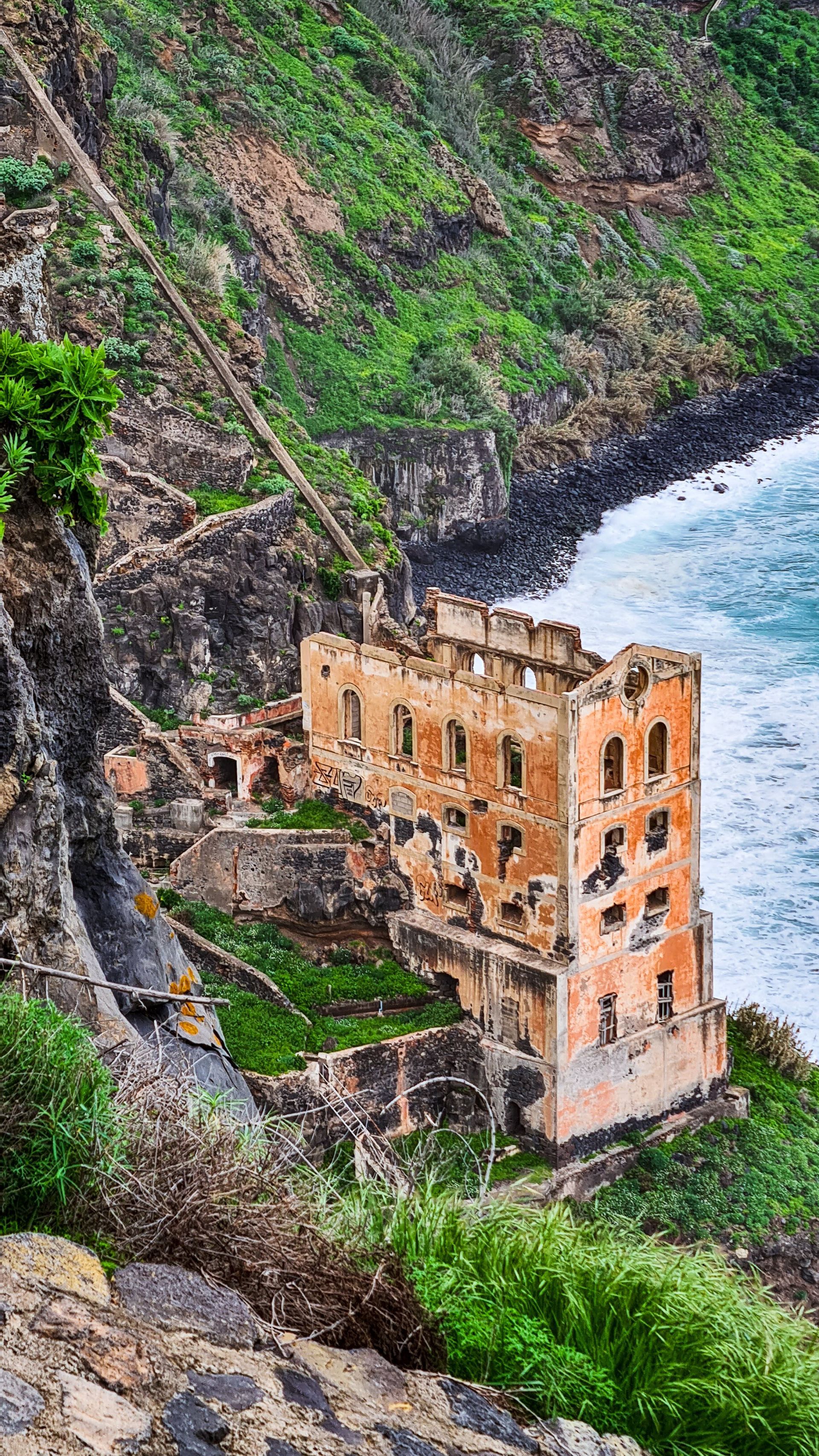
Walking along the coastal path, you'll pass palm trees, banana plantations, historic buildings, and spectacular viewpoints. Descending towards the shore reveals black volcanic beaches and small waterfalls, giving the area an almost tropical feel.
The scenic coastal trail passes several historic landmarks, including the ruins of Hacienda de los Castro, an old estate that once belonged to one of Tenerife's most influential families. Visitors can also discover the remains of the Fortín de San Fernando, an 18th-century coastal defense structure, and the picturesque Casa de la Gordejuela, an abandoned mansion perched above the ocean. Built in the late 19th century, it housed one of the first steam-powered water pumping stations on Tenerife and is often considered one of the island's most fascinating ruins.
With relatively few visitors compared to other attractions, Rambla de Castro offers a perfect blend of nature, history, and tranquility.
3. Mesa del Mar – A Peaceful Escape by the Sea
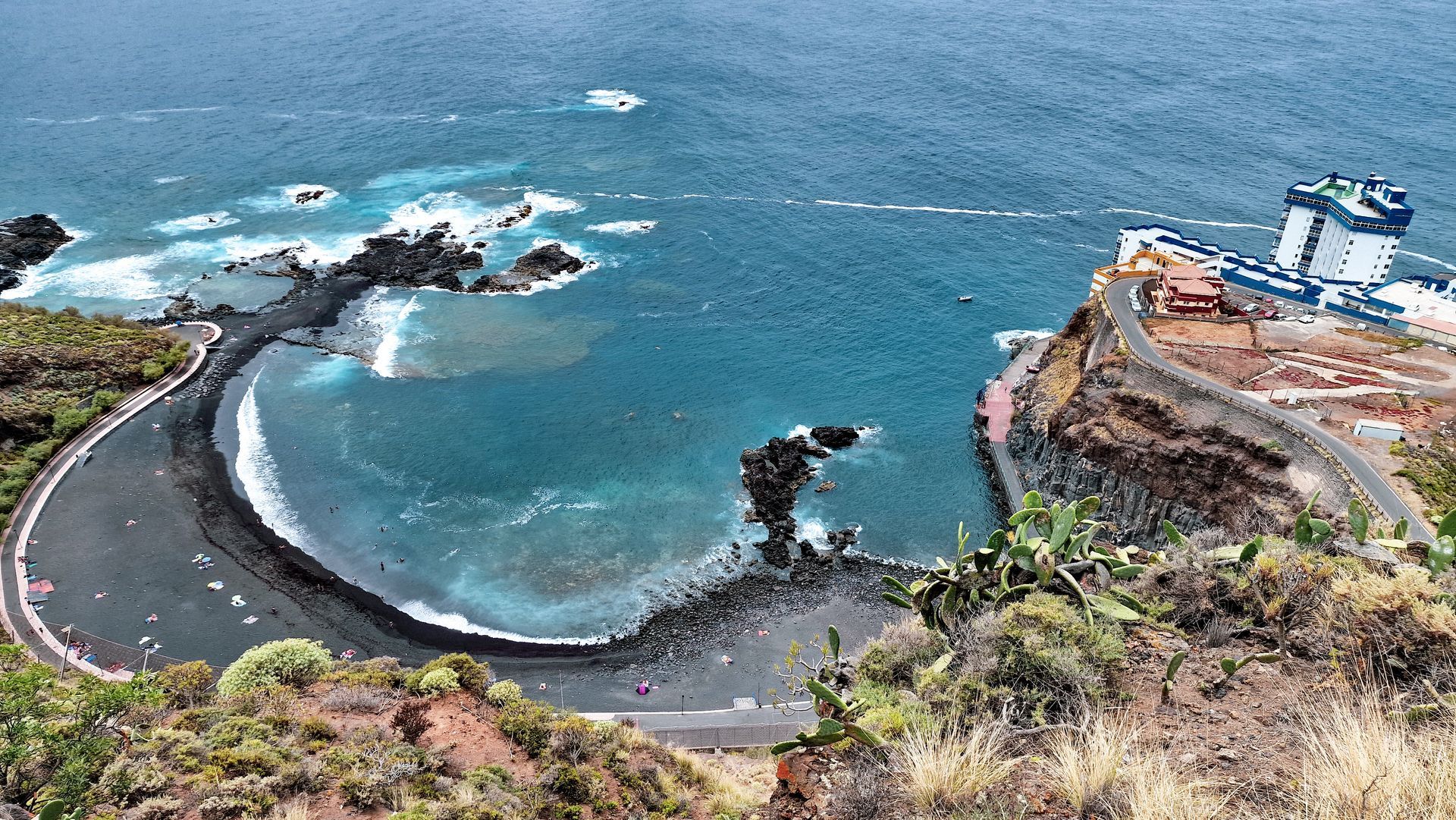
Tucked away on Tenerife's northern coast, Mesa del Mar is one of those places that many visitors discover by chance and instantly fall in love with. Far from the crowds of the southern resorts, this small seaside enclave offers a peaceful atmosphere and spectacular ocean views.
The winding road descending from the cliffs to the coast is an experience in itself, revealing breathtaking panoramas of the Atlantic Ocean and the rugged coastline. At the bottom, visitors are rewarded with Playa de la Arena, one of the largest natural black sand beaches in northern Tenerife. Surrounded by dramatic cliffs and volcanic landscapes, the beach is a wonderful place to relax and enjoy the sound of the waves.
Mesa del Mar is also famous for its natural seawater swimming pools, carved into the volcanic rock and filled by the Atlantic Ocean. These pools provide a safer and calmer place to swim while still offering incredible views of the sea. They are especially popular among locals and make the area unique compared to many other coastal spots on the island.
With its laid-back atmosphere, beautiful beach, natural pools, and stunning scenery, Mesa del Mar remains one of Tenerife's hidden treasures and a perfect destination for those looking to experience a quieter and more authentic side of the island.
4. Los Gigantes – Majestic Cliffs Rising from the Ocean
The impressive cliffs of Los Gigantes are among Tenerife's most iconic landmarks. Rising up to 600 meters above the Atlantic Ocean, these towering rock walls create one of the island's most spectacular sights.
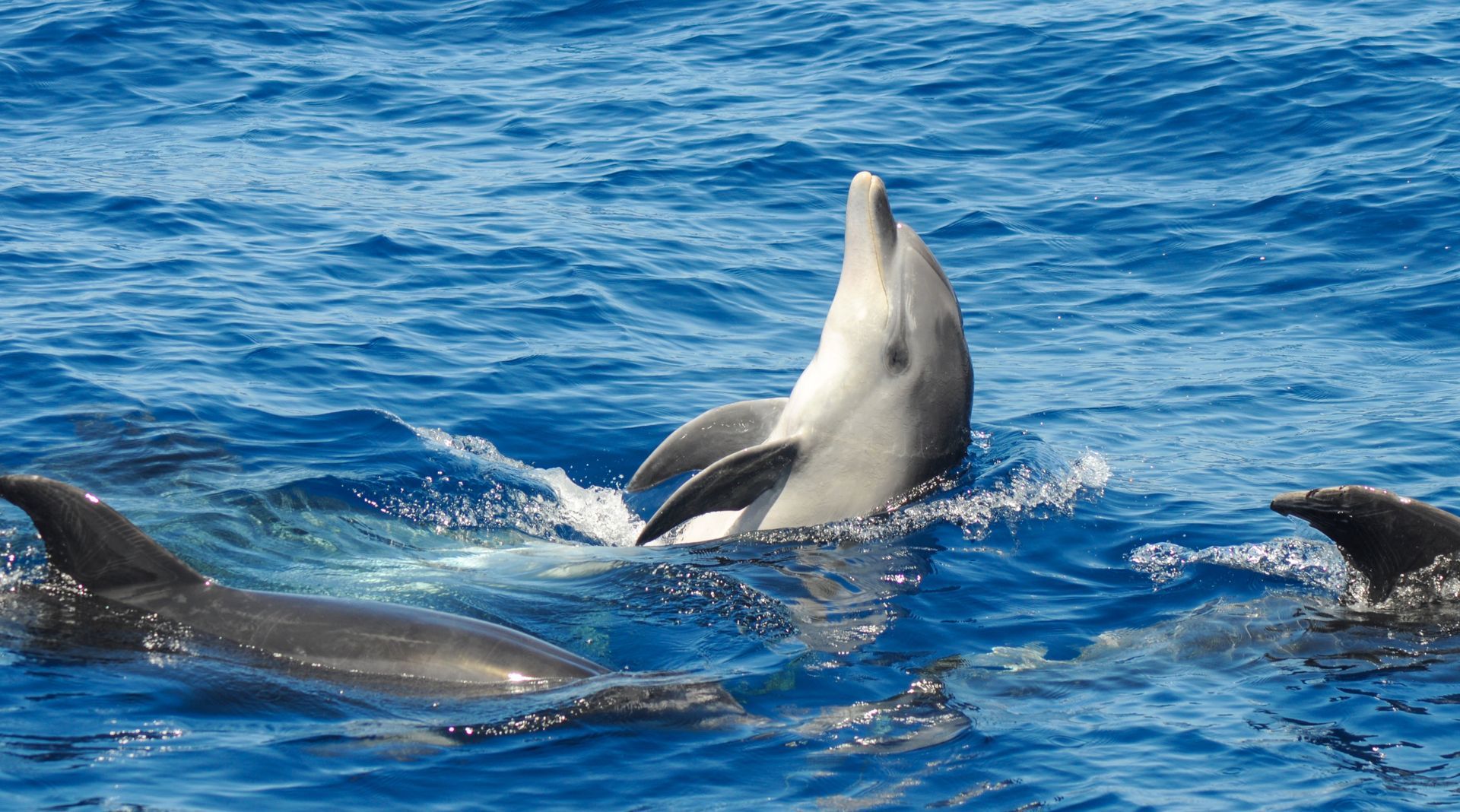
Visitors can relax on the black sand beaches, enjoy waterfront restaurants, or embark on boat trips to spot dolphins and whales in their natural habitat. Nearby Puerto Santiago also offers lovely promenades and excellent ocean views.
Los Gigantes is a place where nature truly leaves a lasting impression.
5. Almáciga and Taganana – Tenerife's Most Authentic Corner
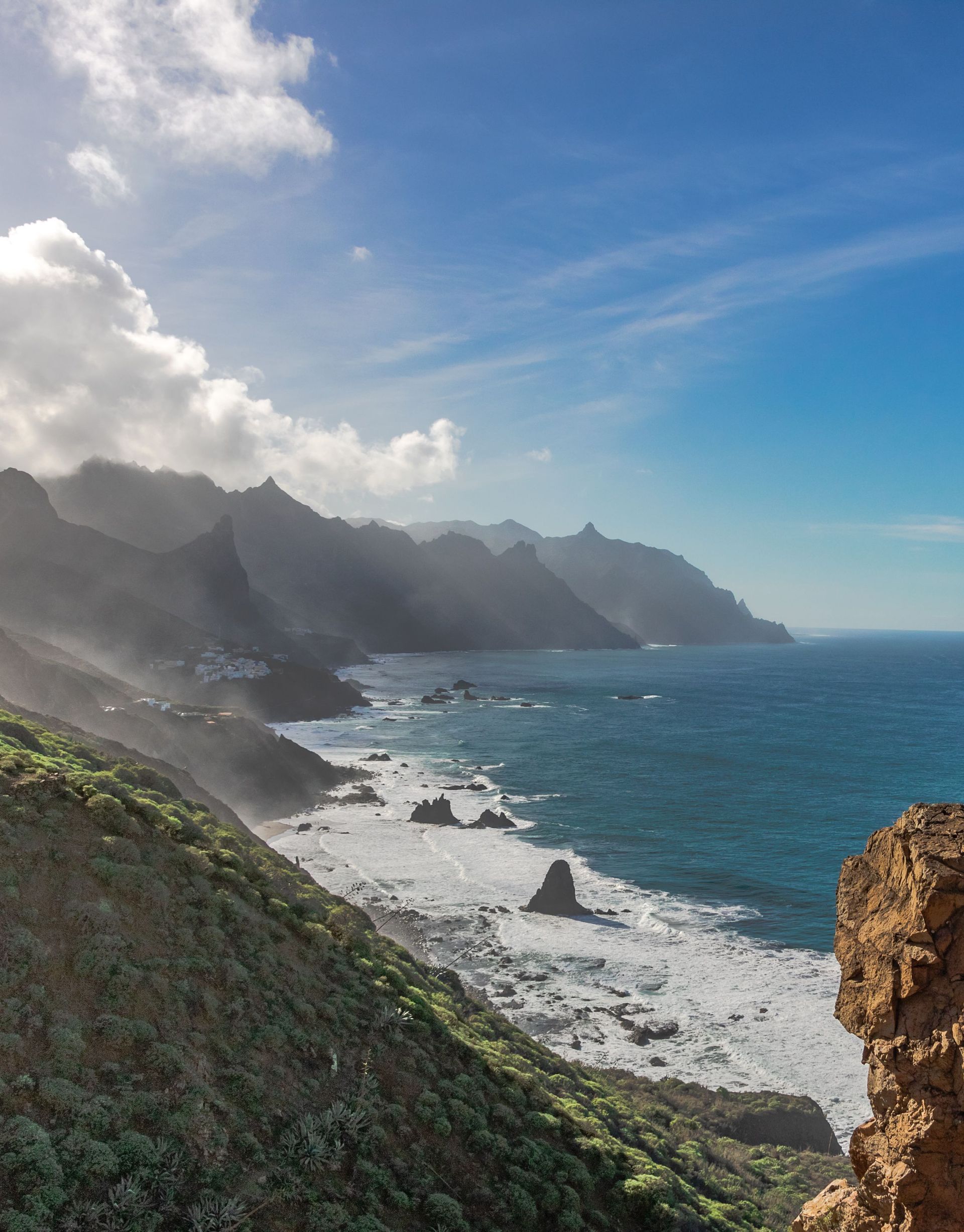
Nestled within the Anaga Mountains, the villages of Taganana and Almáciga offer some of the most breathtaking scenery on the island.
Taganana is one of Tenerife's oldest settlements, with whitewashed houses scattered among green mountains and dramatic cliffs. The area is known for its peaceful atmosphere and traditional Canarian cuisine, including fresh fish and local specialties.
Just a few minutes away, Almáciga serves as a gateway to some of the best hiking trails in the Anaga Rural Park. Playa de Almáciga, with its black volcanic sand and powerful waves, is a favorite among surfers and nature lovers alike.
This part of Tenerife remains wonderfully untouched and is a paradise for photographers and adventurers.
6. Punta de Teno – The End of the Island
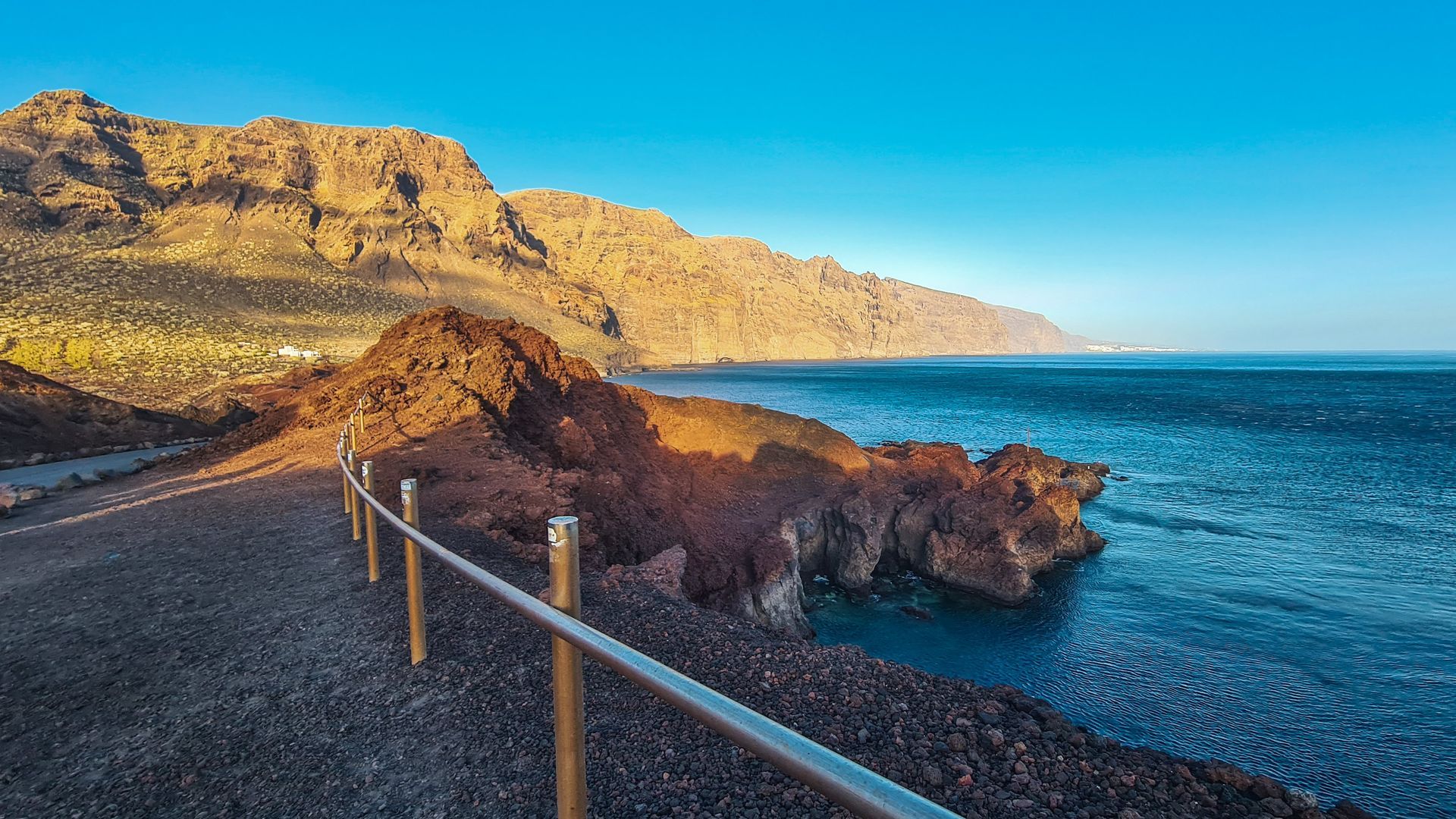
Located at Tenerife's westernmost tip, Punta de Teno is one of the island's most beautiful and peaceful locations. Famous for its picturesque lighthouse and dramatic coastline, the area offers stunning views towards Los Gigantes and the Atlantic Ocean.
The crystal-clear waters are perfect for swimming and snorkeling, while the surrounding landscapes provide incredible opportunities for walking and photography.
As the sun begins to set, Punta de Teno transforms into one of the most magical places on Tenerife, making it a favorite among those seeking tranquility and unforgettable views.
7. Garachico – A Historic Gem on the North Coast
Garachico is widely regarded as one of the most beautiful towns in Tenerife. Once an important port, much of the town was destroyed by a volcanic eruption in the 18th century, yet it has retained its charm and rich heritage.
Today, visitors can stroll through cobbled streets lined with historic buildings and enjoy spectacular ocean views. The natural lava pools known as El Caletón are among the town's biggest attractions and offer a unique place to swim surrounded by volcanic rock formations.
Garachico combines history, culture, and natural beauty in a truly special way.
8. Icod de los Vinos – Home of the Legendary Dragon Tree
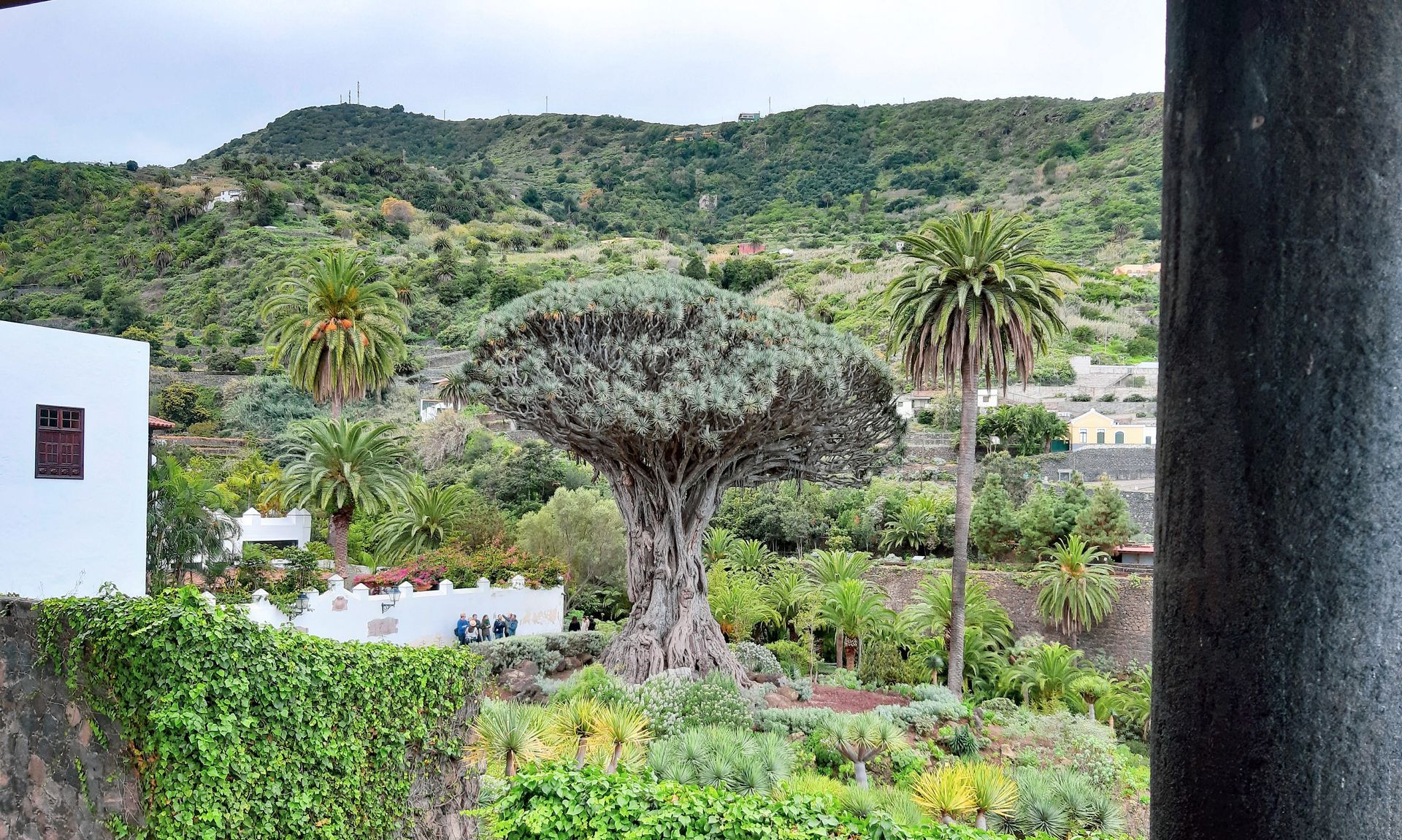
Icod de los Vinos is best known for the famous Drago Milenario, one of the oldest dragon trees in the world and one of Tenerife's most recognizable symbols.
The town itself is full of charm and tradition. Visitors can sample local wines, explore the Banana Museum, or visit the Butterfly Park, making it a wonderful destination for all ages.
Visit local wine tasting in a hidden garden in the heart of the town called Museo de Malvasia. Truly authentic place to spend some time.
Its relaxed atmosphere and cultural heritage make Icod de los Vinos one of the highlights of northern Tenerife.
9. Anaga Mountains – Tenerife's Green Paradise
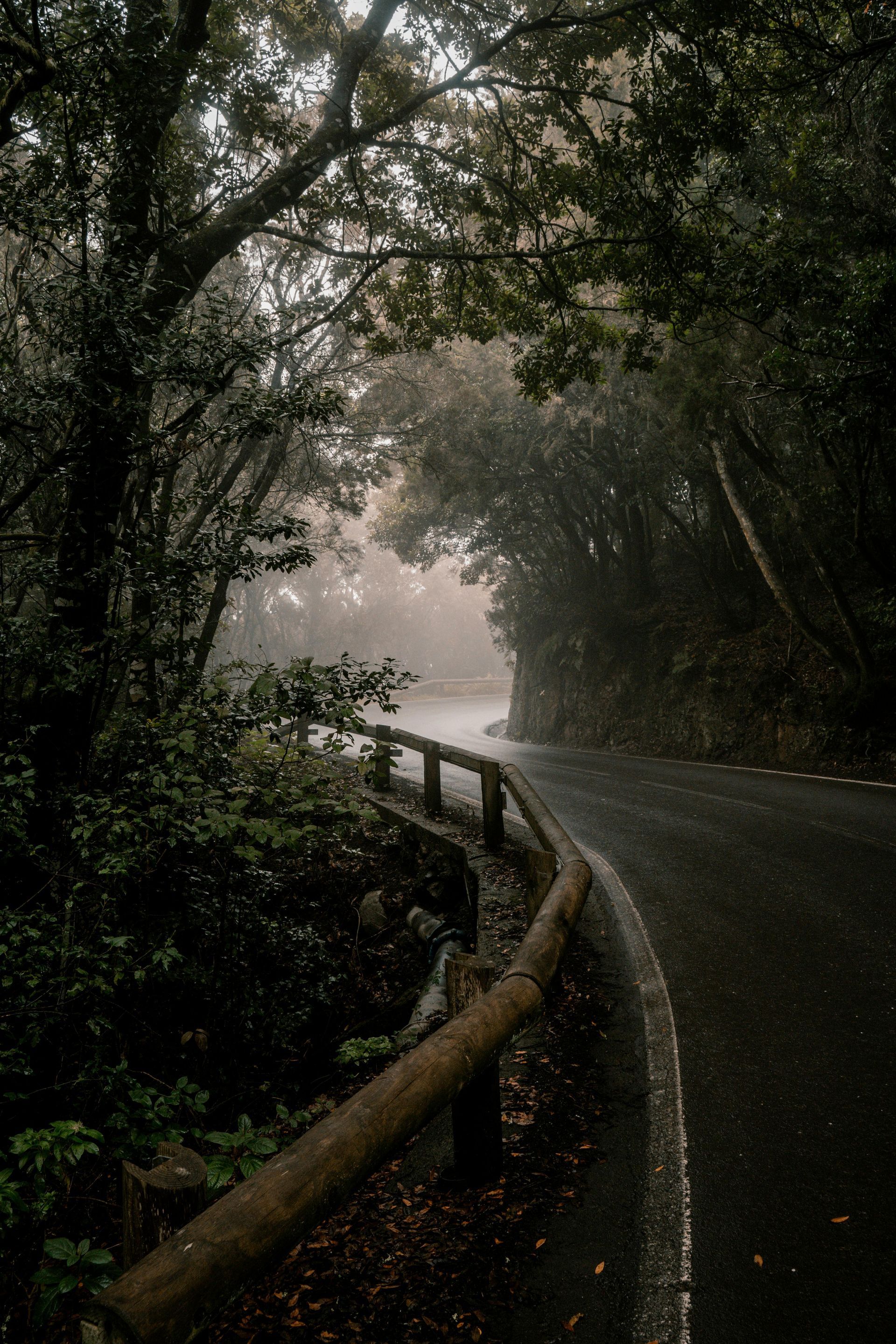
The Anaga Mountains reveal a completely different side of Tenerife. Instead of volcanic landscapes, you'll find ancient laurel forests, misty peaks, and countless hiking trails.
Recognized as a UNESCO Biosphere Reserve, this region is one of the oldest parts of the island and boasts some of the most spectacular viewpoints, including Mirador de Jardina and Pico del Inglés.
Whether you're an experienced hiker or simply love nature, Anaga is a place that will capture your heart.
10. Candelaria – The Spiritual Heart of Tenerife
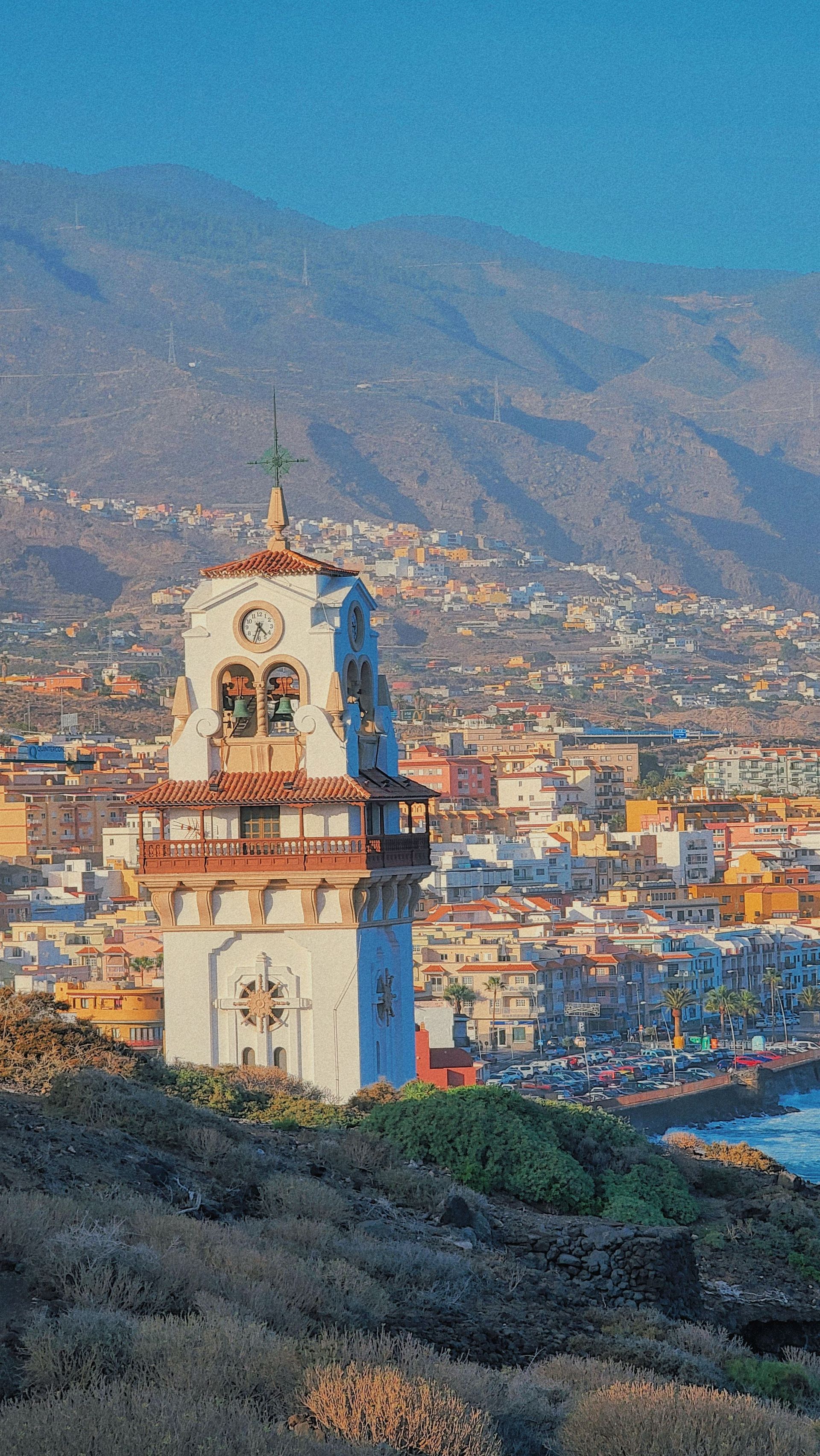
Situated on the eastern coast, Candelaria is one of Tenerife's most important and picturesque towns. It is home to the Basilica of Our Lady of Candelaria, the most significant pilgrimage site in the Canary Islands and dedicated to the patron saint of the archipelago.
The spacious Plaza de la Patrona de Canarias, lined with impressive statues of the Guanche kings, reflects the island's fascinating history. Alongside its charming promenade and black volcanic beaches, Candelaria offers a wonderful blend of culture, tradition, and everyday Canarian life.
Try the best churros in Churrería y Chocolatería El Guanche.
Unlike some of the island's more touristy areas, Candelaria has preserved its authentic atmosphere, making it one of Tenerife's most rewarding places to visit.
Discover the Many Faces of Tenerife
From volcanic landscapes and ancient forests to charming towns and hidden coastal gems, Tenerife is an island full of contrasts and unforgettable experiences.
It is a place where you can hike above the clouds in the morning, swim in the Atlantic in the afternoon, and watch a spectacular sunset in the evening.
These ten destinations showcase the incredible diversity that makes Tenerife so special—not only as a holiday destination but also as a place that many people are proud to call home.
Katie.
TENERIFE´S HISTORY
Hidden Treasures of Tenerife: Unraveling the Mysteries of Ancient Guanche Caves
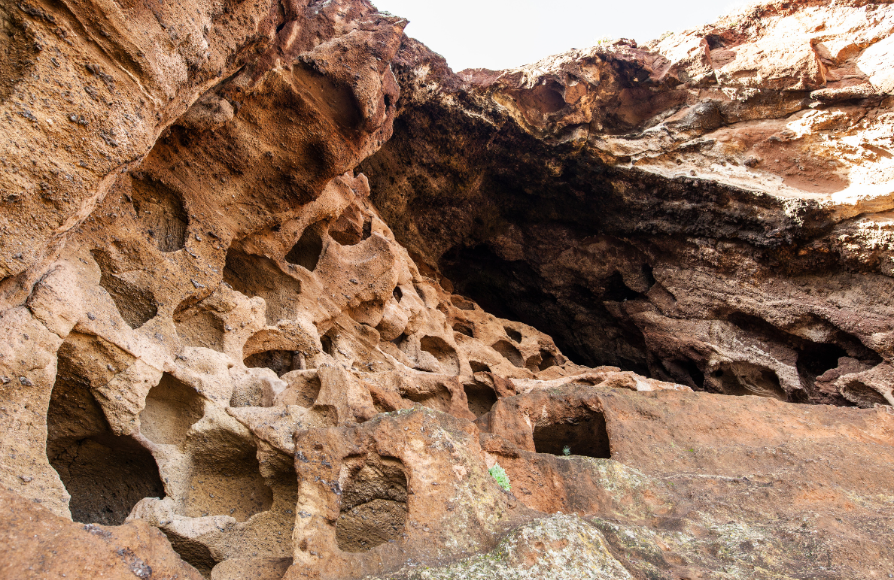
When thinking of Tenerife, many travelers' minds automatically turn to images of exotic beaches, stunning volcanic landscapes, and vibrant nightlife.
However, the island harbors much more – its history stretches thousands of years back to the times of the Guanches, the original inhabitants of the Canary Islands.
They left behind mysteries hidden within Guanche caves scattered across the island.
Prepare for a journey to the past as we explore these fascinating Tenerife caves.
Guanche Caves: A Portal to the Past
The Guanches, a Berber people from North Africa, migrated to the Canary Islands around 1000 BC. Their culture and way of life remain a mystery that scientists are still deciphering. One of the few physical pieces of evidence of their existence are the Guanche caves.
Some of these caves were used as dwellings, others served as burial sites or places for ritual ceremonies. Their presence offers a rare insight into the life and death of the Guanches who lived on the islands long before the arrival of Europeans.
Cave of the Winds - Cueva del Viento
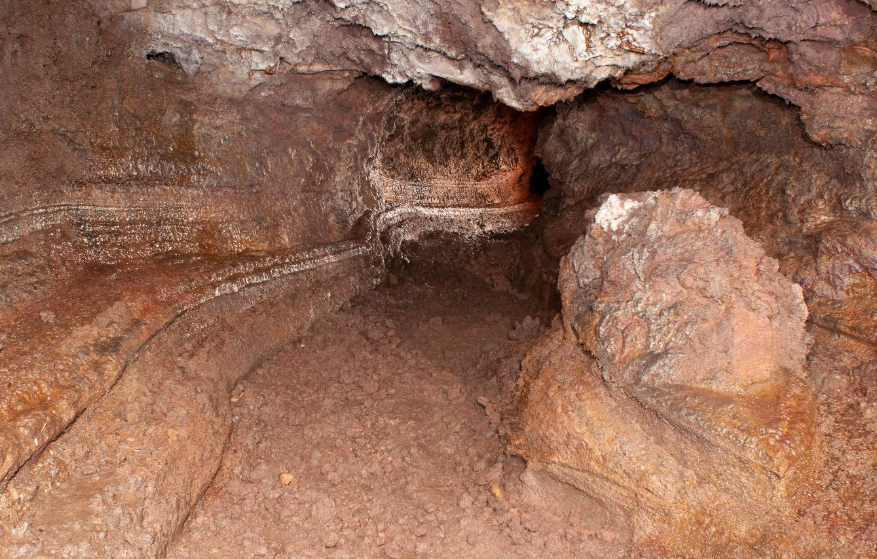
One of the most significant caves is the Cueva del Viento, the longest volcanic tube in the Canary Islands and one of the longest in the world.
This cave is a true treasure for scientists and archaeologists, who have discovered tools, pottery, and other artifacts that provide a rare glimpse into Guanche culture.
Mummies in the Museum of Nature and Archaeology
Many Guanche caves were used as burial sites, and the mummies found in these caves are now exhibited in the Museo de la Naturaleza y Arqueología in Santa Cruz de Tenerife.
These mummies, along with other artifacts, represent some of the most valuable links to Guanche culture.
Exploration Challenge
Visiting the Guanche caves is to travel back in time, to open a portal to a world that has long since vanished. Some of these caves are open to the public and offer an extraordinary opportunity to explore this ancient world. But please, approach these places with respect.
They are not only historical monuments but also sanctuaries that reflect the deep and complex history of this fascinating island.
Conclusion
The Guanche caves of Tenerife are true jewels of history and culture. They offer a unique opportunity to glimpse into the past and better understand the first inhabitants of this island.
Next time you visit Tenerife, don't forget to look beneath the surface and uncover the hidden mysteries that the island holds.
Lucie.
DRAGON TREES
There are more dragon trees in Tenerife than you might think
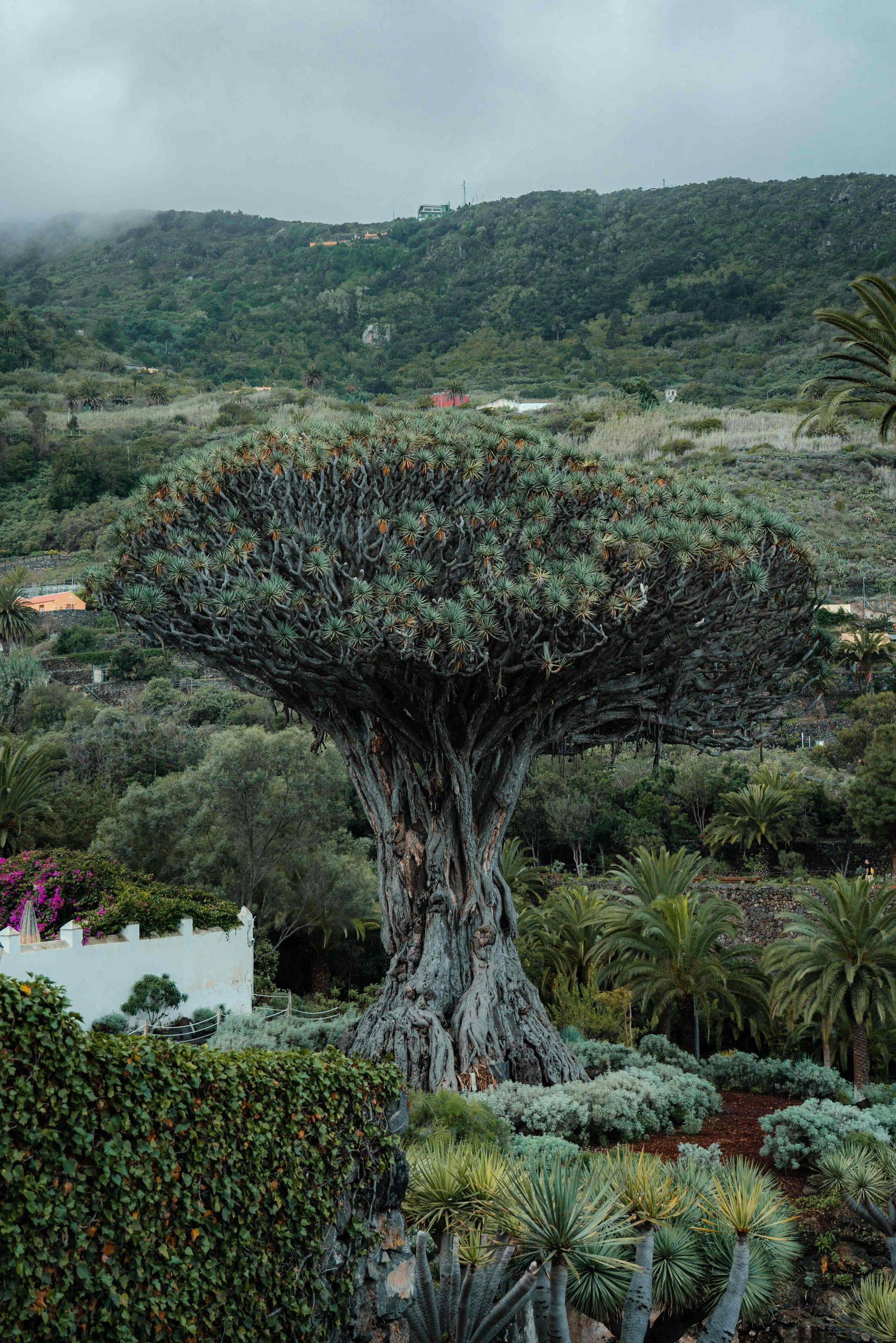
When you hear “dragon tree,” most people think of the famous El Drago Milenario in Icod de los Vinos—the oldest and largest specimen in the world. But few people know that Tenerife is literally an island of dragon trees. You’ll find them in parks, near churches, in historic towns, and on arid mountain slopes.
These remarkable plants, with their branching crowns shaped like giant umbrellas, look as if they come from prehistoric times. And in a way, they do—they are among the oldest plant species in the Canary Islands and symbolize strength, resilience, and longevity.
Why is it called the "dragon tree"?
The dragon tree (Latin: Dracaena draco) holds a little secret—when its trunk or leaves are injured, instead of the usual clear sap, a deep red resin oozes out, known as "dragon's blood."
The ancient inhabitants of the Canary Islands, the Guanches, believed that this was the blood of the dragon itself, which possessed magical and healing properties.
They used it as a dye, a preservative, and in rituals and medicine. In the Middle Ages, dragon’s blood was exported to Europe and was more valuable than gold—it was added to varnishes, medicines, and even elixirs of youth.
What makes dragon trees so special?
The dragon tree is a true survivor.
It grows very slowly but can live for hundreds of years. Its age cannot be determined by growth rings—this tree is actually a herb disguised as a tree!
Age is estimated by the number of branches: after each flowering (roughly once every 10–15 years), the crown branches out into new limbs.
That’s why the oldest specimens, like El Drago Milenario, look like giant living-wood sculptures—their crowns branch out into hundreds of limbs.
Dragon trees are also endemic, meaning they grow in the wild only in the Canary Islands, Madeira, and North Africa. You won’t see them in their natural habitat anywhere else in the world.
📍 Where to see them in Tenerife
Tenerife has many places where you can admire these majestic plants—from tourist icons to hidden corners:
- Icod de los Vinos – El Drago Milenario
The most famous dragon tree in the world. It is estimated to be 800–1,000 years old and weighs over 70 tons. It is surrounded by the beautiful Parque del Drago botanical garden, which offers views of the Atlantic Ocean.
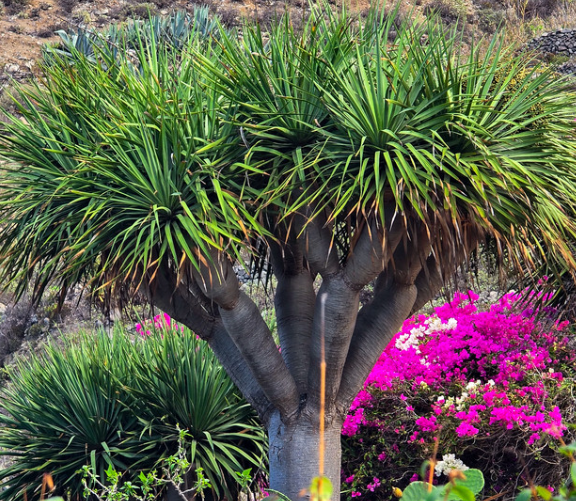
- La Orotava and Garachico
These historic towns are home to several magnificent younger dragon trees—in gardens, parks, and along colonnades. A great place to take a stroll with your camera.
- Los Realejos and Tacoronte
The milder climate of the north is ideal for dragon trees—you’ll often see them in private gardens or near churches.
- Güímar, Fasnia, and the Barranco de Herques area
Here, dragon trees grow almost “wildly” in dry, rocky areas. These locations show how naturally the dragon tree has adapted to the island’s harsh conditions.
- Jardín Botánico in Puerto de la Cruz
A garden full of exotic species from around the world—and, of course, several magnificent specimens of the dragon tree.
A small tree, a great symbol
The dragon tree is now the botanical symbol of Tenerife and appears in logos, coats of arms, souvenirs, and folklore.
It is a reminder of ancient times when the island was covered in dense forests and when people believed that nature was filled with magic.
When you stand beneath its branching crown and look up at the sky, it’s easy to understand why it has become a symbol of strength, tranquility, and eternity.
In Tenerife, even trees have souls.
Katie.
The Secrets of the Güímar Pyramids
Discover Tenerife’s Hidden Wonders
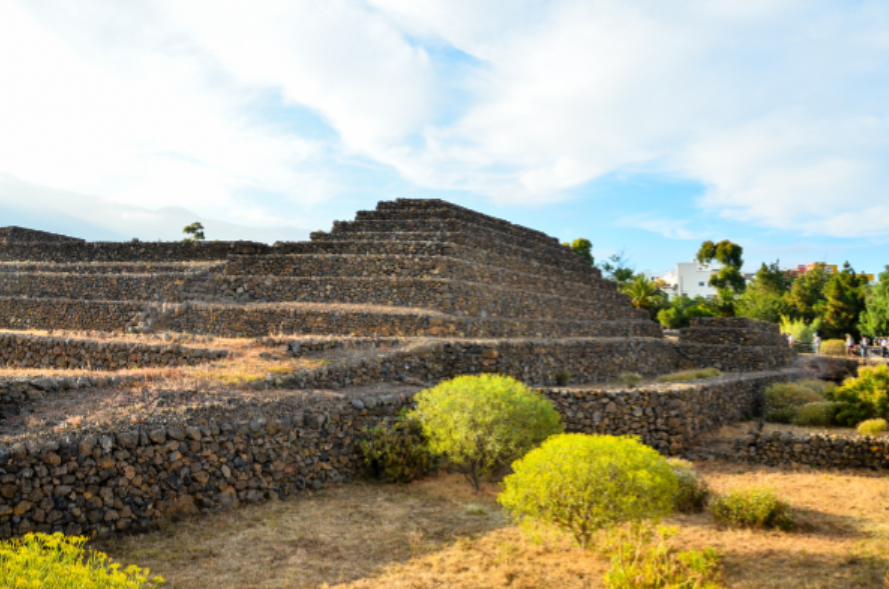
Few people realize that the island is home to one of the most fascinating and controversial historical sites—the Pyramids of Güímar.
For many, Tenerife is synonymous with the perfect vacation—crystal-clear ocean waters, sandy beaches, dramatic volcanic landscapes, and a vibrant nightlife. Few people realize, however, that the island also hides one of the most interesting and debated historical sites—the Güímar Pyramids, known as the Pirámides de Güímar.
To this day, these stone structures continue to spark questions, debates, and fascination among visitors from around the world.
The History of the Güímar Pyramids
The Güímar Pyramids are located on the outskirts of the town of Güímar in the eastern part of the island. They consist of six stepped, terraced structures built from carefully stacked lava stones without the use of mortar.
One fact is crucial:
👉 According to the prevailing view among archaeologists, the pyramids were built in the 19th century, likely as agricultural terraces created by clearing stones from fields during the development of the local economy.
Nevertheless, these are not mere piles of stones. The structures have a regular shape, precise geometry, and some of them exhibit an interesting orientation toward the Sun, which has long fueled discussions about their possible symbolic or ritual significance.
Thor Heyerdahl and Alternative Theories
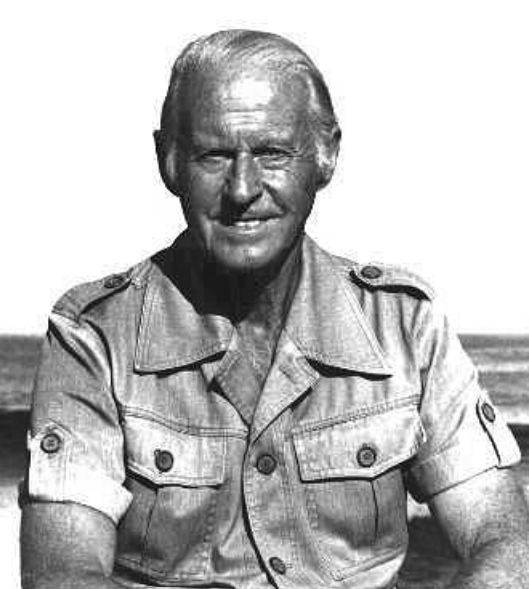
Norwegian explorer Thor Heyerdahl, known for his experimental voyages (e.g., the Kon-Tiki), played a significant role in popularizing the pyramids. Heyerdahl believed that the pyramids might not be merely agricultural structures but could have symbolic or astronomical significance.
At the same time, he pointed out similarities with terraced structures in other parts of the world. It is important to note that these theories do not represent a scientific consensus, but they contributed to international interest in the site and led to the creation of today’s ethnographic park.
Points of Interest and Astronomical Phenomena
One of the site’s biggest attractions is the so-called double sunset. This phenomenon can be observed during the summer solstice, when the Sun first sets behind the mountain ridge, reappears briefly, and then disappears completely below the horizon toward the island of Gran Canaria.
Although it has not been proven that the pyramids were intentionally designed for this phenomenon, observing the Sun plays an important role in the visitor experience and lends the site a special atmosphere.
A Visit to the Güímar Pyramids
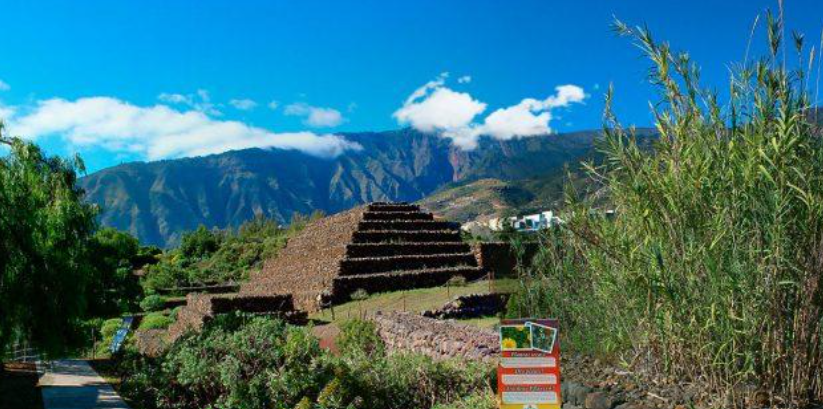
Today, the pyramids are part of the Pyramides de Güímar Ethnographic Park, which offers much more than just a view of the stone structures:
- a modern museum explaining various theories of origin
- exhibits dedicated to ancient cultures
- a botanical garden with plants endemic to the Canary Islands
- peaceful trails ideal for a leisurely stroll
The park is suitable for both families and visitors who want to experience Tenerife from a perspective other than a purely tourist one. The park is open year-round and is easily accessible by both car and public transportation.
🕒 Opening Hours
· Daily from approximately 10:00 AM to 6:00 PM
· Last admission is usually about 30 minutes before closing time
(Opening hours may vary depending on the season and holidays, so it is recommended to check them before your visit.)
🎟️ Admission
· Adults: approx. €12
· Children, students, and seniors: discounted admission
· Children under 6: usually free
The ticket price includes access to the pyramids, museums, botanical garden, and outdoor exhibits.
ℹ️ What to Know Before Your Visit
· Allow at least 1.5–2 hours for your tour, ideally more if you want to see all the exhibits.
· The site is outdoors; comfortable shoes, a hat, and water are recommended, especially during the summer months.
· Information boards and guided tours are available in multiple languages.
· The park is also suitable for families with children; the terrain is mostly easy to navigate.
· If you plan to visit during the summer solstice, expect higher visitor traffic.
The Ethnographic Park offers a peaceful and refined setting that allows visitors to form their own opinion on the origin and significance of the pyramids, whether they lean toward a scientific explanation or are drawn to alternative theories.
Güímar is more than just pyramids: explore the town
The town of Güímar has approximately 15,000 residents and retains its authentic Canarian character. White houses, quiet streets, and a local atmosphere contrast with the bustling resorts in the south of the island.
Worth visiting:
· the 18th-century San Pedro Church
· Plaza de San Pedro, the center of local life
· traditional restaurants serving Canarian cuisine
Nature lovers shouldn’t miss
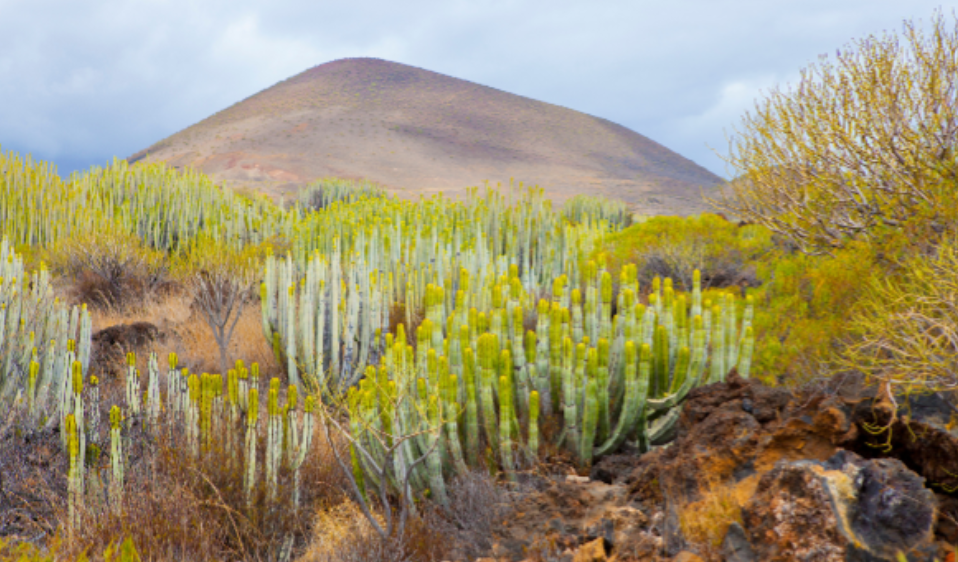
Malpaís de Güímar (pictured below), a protected volcanic area with unique landscapes, lava fields, and views of the Atlantic Ocean.
Let’s summarize
The Güímar Pyramids are one of Tenerife’s most fascinating sites, where history, archaeology, nature, and human imagination converge. Whether you accept the scientific explanation or are intrigued by alternative theories, a visit to this site offers a unique experience and a fresh perspective on the island.
If you want to get to know Tenerife beyond just its beaches, Güímar and its pyramids should definitely be on your list.
I hope you enjoy your visit to Güímar.
Lucie.
GUACHINCHE
The most authentic taste of Tenerife—something you definitely shouldn't miss.
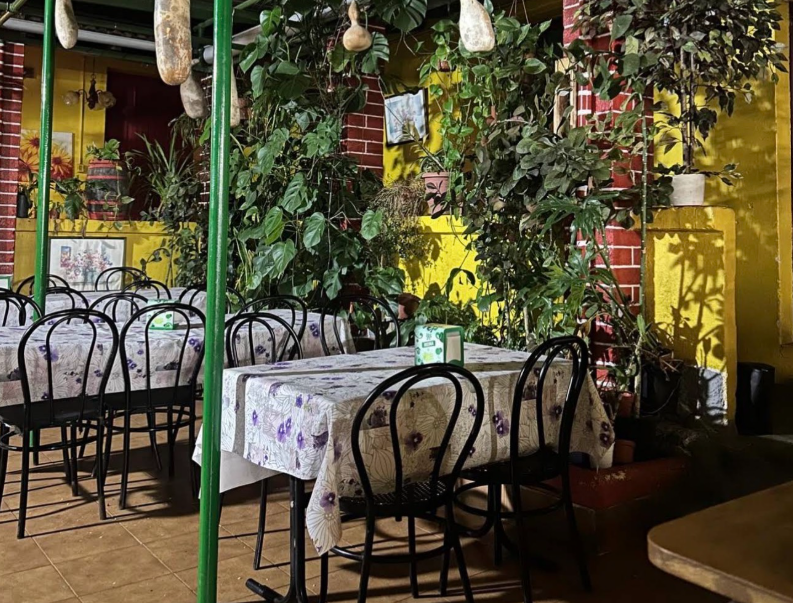
If you want to sample truly local cuisine in Tenerife—no tourist menus or adapted dishes—then now is the perfect time to discover the guachinches, the favorite spots of the Tinerfeños themselves.
If you want to taste truly local cuisine in Tenerife, experience the island’s traditional atmosphere, and understand how the Tinerfeños live, then you must not miss the guachinche. These small family-run establishments are an integral part of the island’s culture and gastronomy and, for many visitors, become one of the most memorable experiences of their vacation.
What is a guachinche and where did they come from?
The tradition of the guachinche dates back several centuries, to the time when winemaking began to develop in northern Tenerife—particularly in the regions of La Orotava, Tacoronte, Los Realejos, and La Victoria. Local families produced their own wine, and in order to sell it according to the rules of the time, they had to offer something to eat along with the wine. And so, places gradually emerged where visitors could enjoy a simple, traditional dish alongside honest, homemade wine.
Guachinches were therefore never classic restaurants. They were spontaneous family-run establishments—garages, backyards, shelters near vineyards, or small rooms attached to houses. Many of them still retain this rustic style today, and that is precisely what makes them so charming.
It wasn’t until 2013 that the first legal framework was established, defining what a guachinche is and how it can operate:
- - it must offer wine of its own production,
- - it should have a limited menu with a few traditional dishes,
- - it may be open only for a limited part of the year,
- - it must preserve its family-run and traditional character.
Thanks to these rules, guachinches have remained exactly as they always were—simple, authentic, reasonably priced, and still popular, especially among locals.
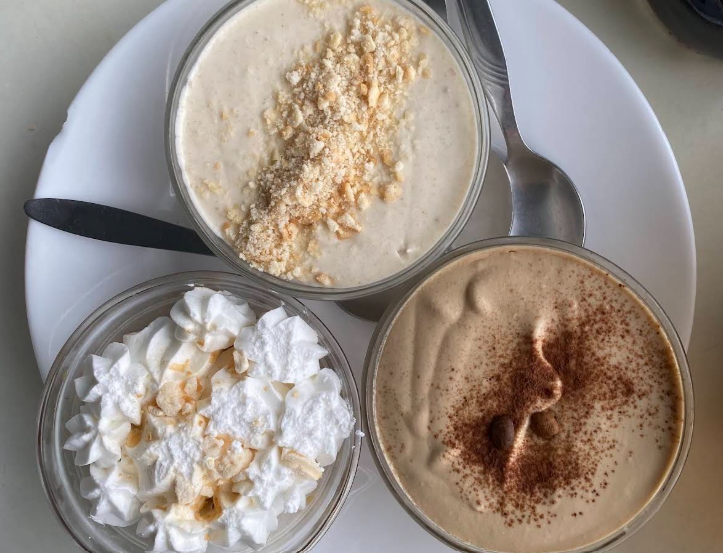
What kinds of dishes are served at a guachinche?
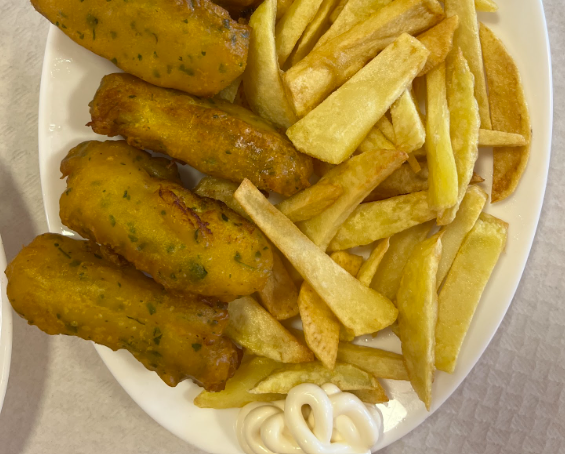
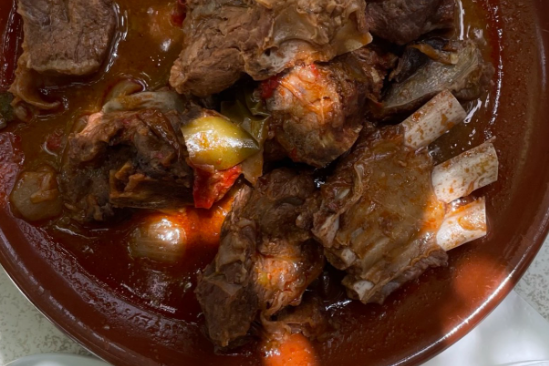
If you’re expecting an extensive menu and modern cuisine, a guachinche will surprise you. The selection is limited—usually 5–10 dishes—but they’re all fresh, homemade, and prepared according to old family recipes.
The most common dishes you’ll find are:
- Carne fiesta – marinated pork cubes
- Pollo asado – roasted spiced chicken
- Garbanzas – a hearty chickpea stew
- Conejo en salmorejo – rabbit in a traditional marinade
- Papas arrugadas con mojo – the most famous Canarian potatoes
- Queso asado – grilled cheese with mojo sauces
- Chorizo asado – grilled spicy sausage
- Homemade fries, bread, salads, and other simple sides
Portions tend to be large and perfect for sharing, which is why whole families often visit guachinches. Personally, I can barely finish a whole portion and love to share it with my family 😁
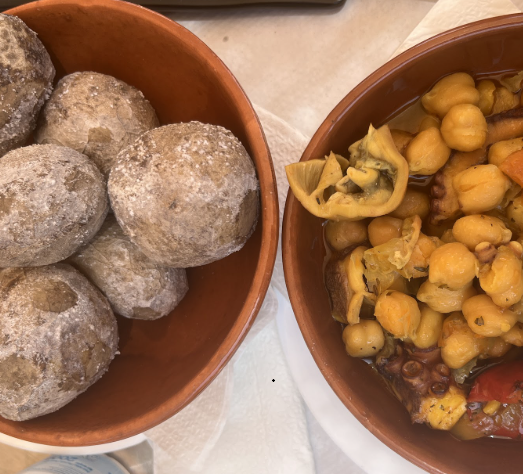
Why are guachinches so popular?
1) Authenticity you won’t find anywhere else
These aren’t just stylized tourist attractions. Guachinches are family-run spots frequented mainly by locals—and that’s exactly the kind of experience visitors love.
2) Hearty home-style cooking
Everything is cooked according to family recipes, without pre-made ingredients or the trappings of “modern gastronomy.” The flavors are genuine, bold, and traditional.
3) A unique atmosphere
You’ll often find Tenerife locals sitting at the table next to you, laughing, singing, and enjoying time with their families. You feel as though you’ve stumbled into a family celebration.
4) Great prices
Historically, guachinches have been places where wine and home-cooked meals are sold at reasonable prices. Even today, you’ll find some of the best prices on the island here.
5) Local wine straight from the source
Guachinches are the best place to taste traditional red wine from Tenerife—often freshly bottled, bold, earthy, and unmistakable. We’ll cover Tenerife wine in a separate article, so I’ll only touch on it briefly here.
The Tenerife Norte region (especially Tacoronte-Acentejo, Valle de La Orotava, and Icod-Daute-Isora) is known for its long winemaking history and unique grape varieties that you’ll hardly find anywhere else. Wines from this part of the island are distinctive due to the volcanic soil, elevation, and cooler northern climate. Among the red varieties, the most common are Listán Negro, Negramoll, Vijariego Negro, and Tintilla. Among the whites, they include Listán Blanco, Albillo Criollo, Gual, and Vijariego Blanco.
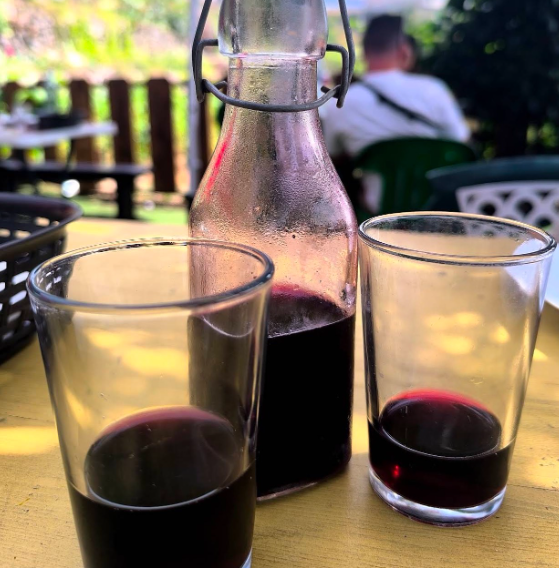
What to Know Before Visiting a Guachinche.
To make the most of your experience, here are a few practical tips:
⭐ 1) Opening hours may vary
Guachinches are seasonal—some are only open for part of the year or depending on when the wine is ready.
⭐ 2) Card payments may not be accepted
They often accept only cash, especially in more traditional areas.
⭐ 3) A simple setting is the norm
Plastic chairs, tables in the backyard, a pergola for a roof—that’s a guachinche.
⭐ 4) It’s usually packed on weekends
Locals flock here in droves, so we recommend arriving early or on a weekday.
⭐ 5) Food is best shared
Portions are really large, and families often order “for the table.”
⭐ 6) The best choice: house wine
Whenever you’re unsure, order “vino de la casa”—that’s the real guachinche experience.
Our guachinche recommendations across Tenerife:
Guachinche La Maestra (Las Chafiras in the south of the island): 📍 https://maps.app.goo.gl/ioXvo8fDDniSVN1r5
Guachinche La Gorgolana (Tacoronte in the north of the island): 📍 https://maps.app.goo.gl/7kyypDgAaQh5cnd97
Guachinche Finca El Pino (La Victoria de Acentejo in the north): 📍 https://maps.app.goo.gl/NTCrmDWAneAnznUK9
Guachinche Bodegón Casa Matías (La Florida in the north): 📍 https://maps.app.goo.gl/zFifLgMYaMVNBT5S7
Guachinche Bar Casi (Adeje in the south of the island): 📍https://maps.app.goo.gl/3TY1gns2VZnipL6EA
Guachinche El Lomito (El Pozo, just above San Juan): 📍 https://maps.app.goo.gl/1qpi57vyMQWTPer67
So let’s just quickly summarize.
Guachinches are the best way to experience the real Tenerife. They offer local wine, traditional cuisine, a family atmosphere, and affordability that’s hard to find on the island. Whether you head north to the vineyards or stay in the south, this unique culinary experience is definitely worth it.
So, do you have any favorite guachinches? If so, let us know—we’d love to check them out too.
Lucie.
Farmers' Market
Markets featuring local products - "MERCADO DEL AGRICULTOR"
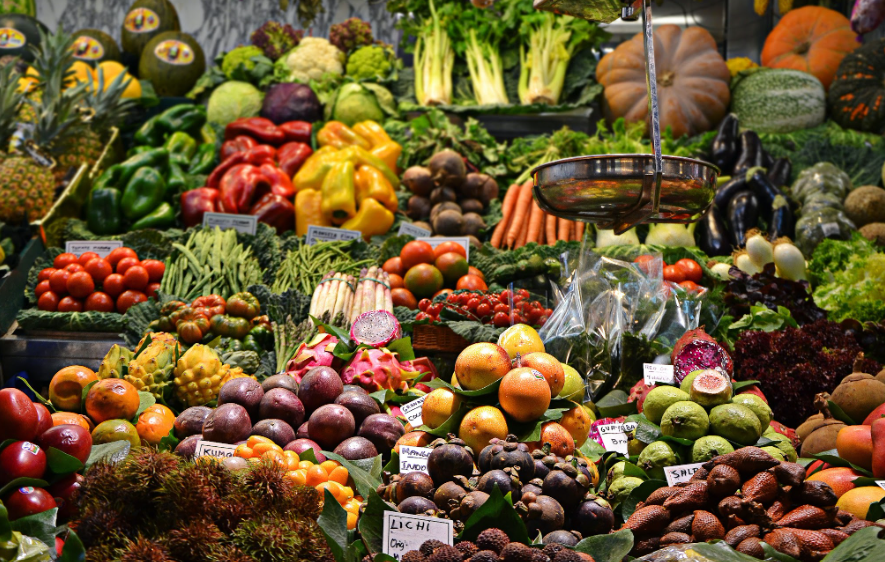
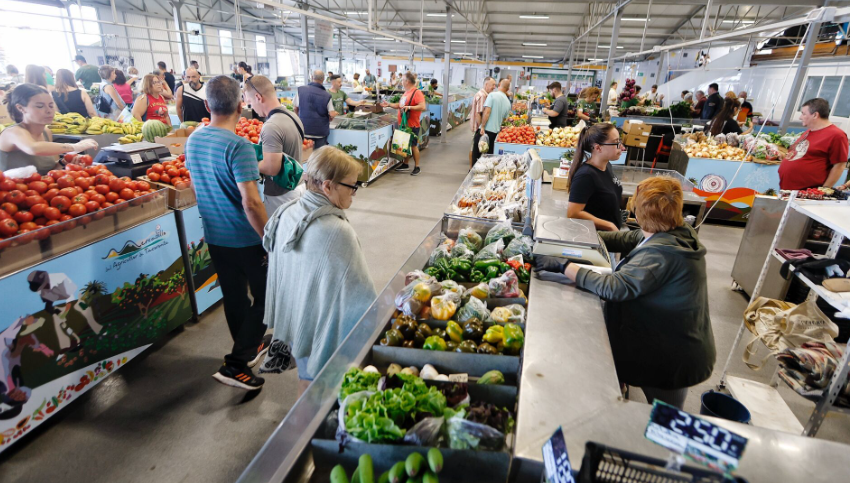
If you really want to experience the island’s atmosphere and cuisine, it’s well worth visiting the “mercado del agricultor,” or farmers’ markets. If you want to experience the true flavor of Tenerife and support local farmers and producers, then a visit to the mercado del agricultor should definitely be on your itinerary.
It’s a great opportunity not only to take home fresh fruits and vegetables, but also to sample traditional Canarian products and purchase handmade items such as bracelets, T-shirts, and lava stone crafts.
Why visit the farmers’ market?
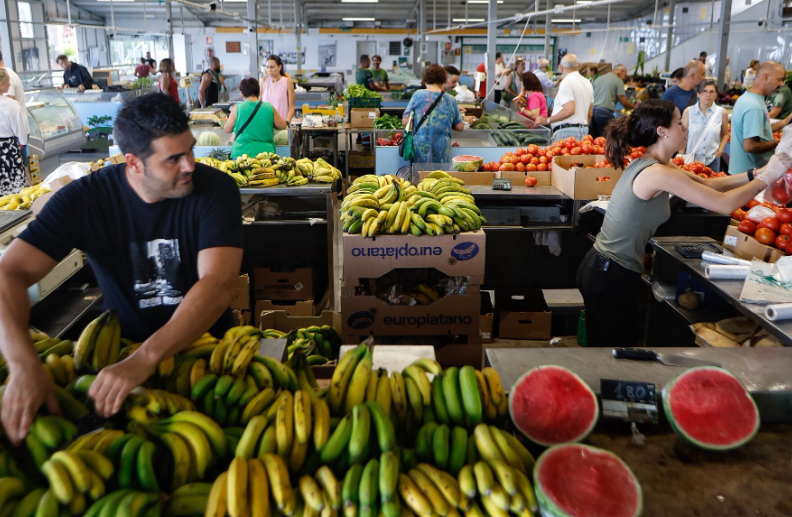
Freshness and quality - The produce sold here is usually freshly harvested and often comes from small family farms on the island. This means you can try produce that isn’t even available in regular supermarkets.
Supporting local producers - By buying directly from farmers and producers, you help preserve the island’s agricultural traditions. Most of these are small businesses and family farms for whom regular market sales are the main source of income.
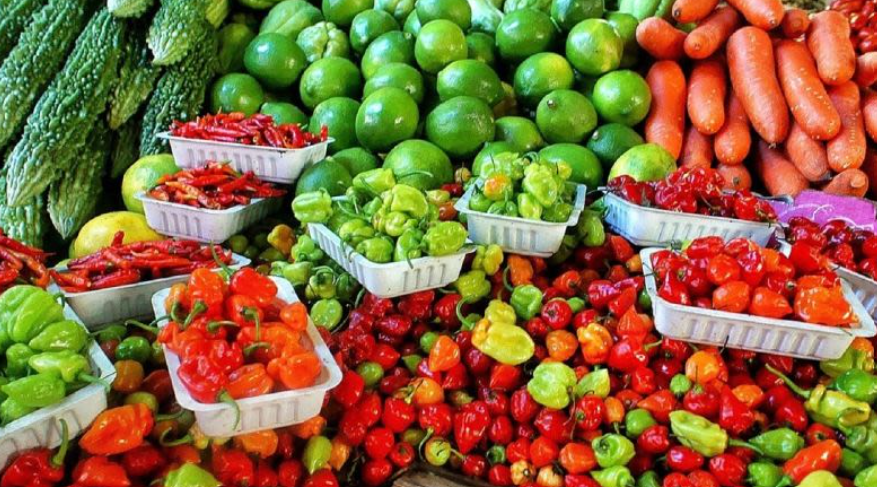
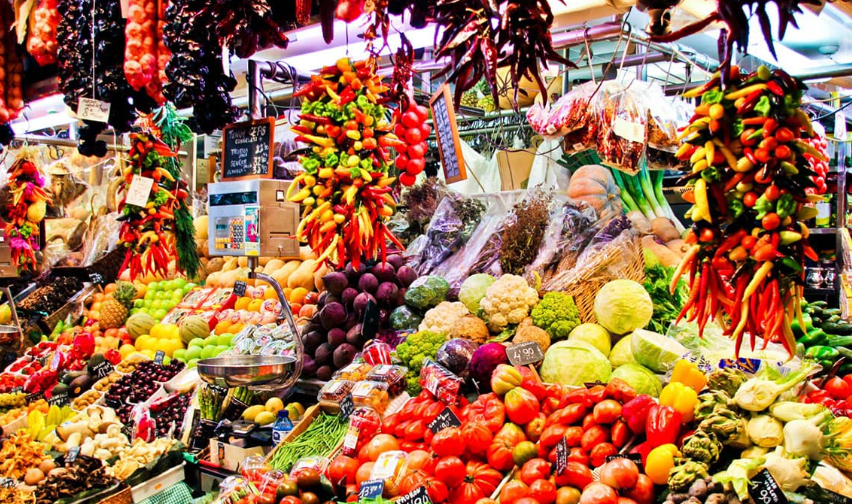
A chance to taste produce grown right on the islands - In addition to bananas (the symbol of the Canary Islands), you can find fresh tropical fruits like papaya, mango, avocado, and pineapple, as well as any kind of vegetable, including Canarian potatoes (papas arrugadas). You’ll find stalls selling spices that always fill the market with a wonderful aroma. Women sell homemade jams, juices, and mojo sauces here. There’s also a large selection of dairy products and cheeses. At some markets, you can buy not only meat but also fresh fish, including tuna. Lovers of local wines will also find something to their liking.
Where and when do the farmers’ markets take place?
If you decide to visit the markets, head out first thing in the morning while the selection is at its best. The markets are frequented by many locals, and the later you arrive, the smaller the selection will be. Most of these markets take place on weekends, some on both days of the weekend, others on just one day. However, there are also a few markets that are open one day a week. It’s always a good idea to check the specific opening hours and dates in advance on the official website of the city or town, or on Google Maps. Opening hours may vary during national holidays.
Markets in the southern part of the island (clicking on the market name will open its location on Google Maps):
Mercado del Agricultor de Adeje
- Ideal for those staying in Costa Adeje or the surrounding area.
- Expect a wide selection of fruits, vegetables, local cheeses, and spices.
- Open on Saturdays and Sundays
San Lorenzo Valley Farmers' Market
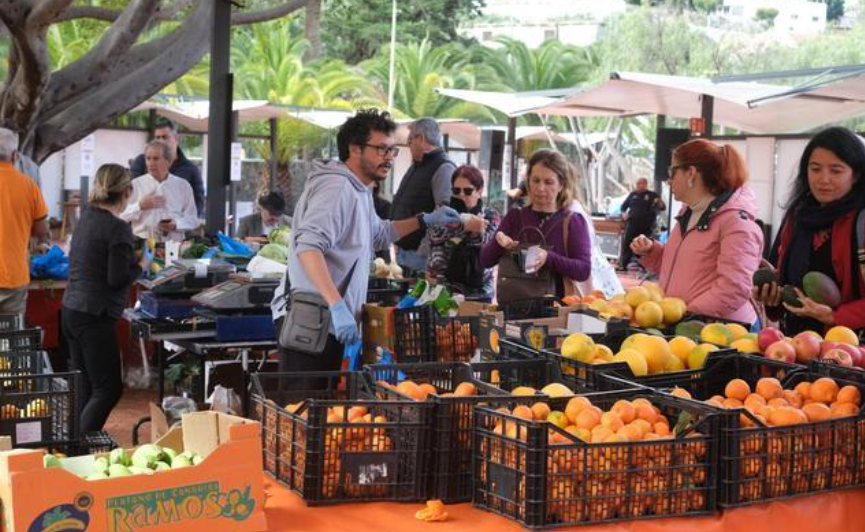
- This market is located a bit further from the coast, but it’s definitely worth the trip.
- It offers local produce and regional products, as well as small handicrafts and food stalls.
It takes place on Fridays and Saturdays
San Miguel de Abona Farmers' Market
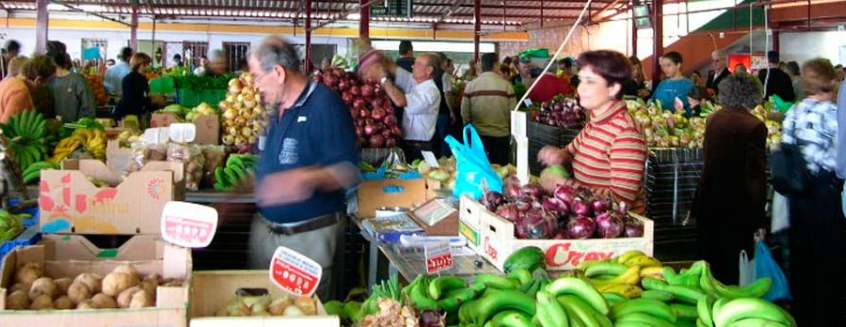
- Ideal for those living near Golf del Sur and Amarilla Golf.
- In addition to the usual selection, you can also find high-quality wine from local wineries, meat, and fresh fish.
- A major advantage is the large parking lot attached to the market.
Open on Wednesdays, Saturdays, and Sundays
- Ideal for those staying in the Costa Adeje area
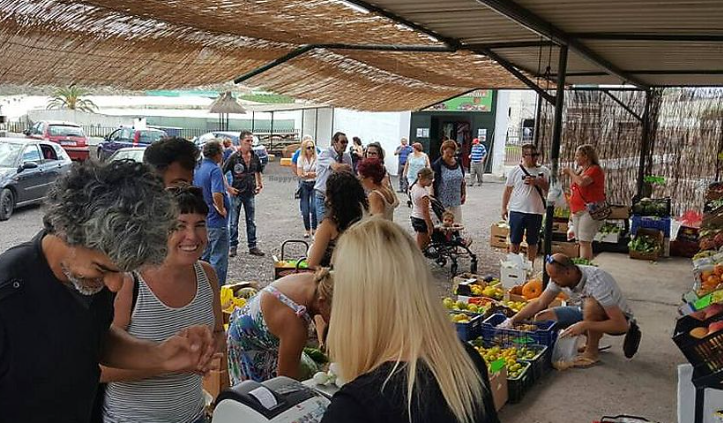
- Perhaps the only market open every day from 8:30 AM to 6:00 PM
- Here you can order pre-packed
crates full of fruits and vegetables in various price ranges
Markets in the northern part of the island:
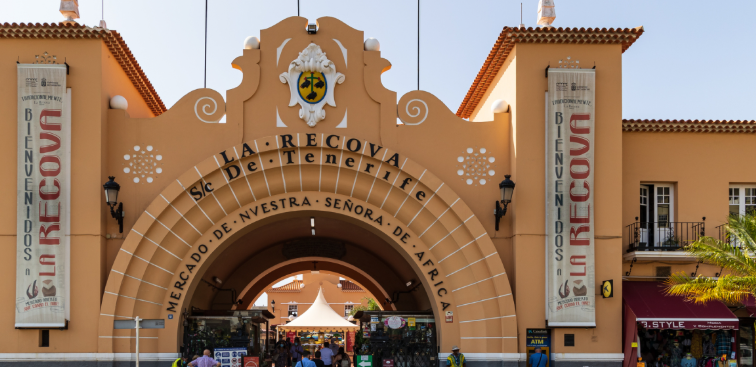
Mercado de Nuestra Señora de África - we are preparing a separate article about this market for you
- The history of this market dates back to 1943.
- Not only can you buy fresh food and handicrafts here, but you can also enjoy a great meal.
- A major advantage is its own large underground parking garage.
- The market is open every day from 6:00 a.m. to 2:00 p.m. (on Sundays, the market opens at 7:00 a.m.)
Valle de La Orotava Farmers' Market
- A small but very authentic market in a picturesque historic town at the foot of Mount Teide.
- In addition to standard produce (bananas, potatoes, tomatoes, avocados), you’ll find small-scale farmers offering their homemade products (honey, jams, mojo sauces, etc.).
- If you go there, be sure to combine your visit to the market with a stroll through this beautiful town.
- This market is open only on Saturdays.
- One of the most popular markets in the north of the island.
- Located in a wine-growing region, so in addition to fresh fruits and vegetables, you can also sample local wines and cheeses.
- It takes place on Saturdays and Sundays.
- If you happen to be in the Buenavista area, be sure to visit this market.
- Here you can buy not only fruits and vegetables, but also handmade crafts.
- This market is open only on Saturdays.
A few tips and insights to wrap things up:
Before you head to the markets, be sure to check the opening hours and keep in mind that they may vary during national holidays. Also, make sure you have cash.
There are still many vendors who do not accept credit cards. If you’re not sure what kind of fruit or vegetable you’re looking at, feel free to ask—the vendors will be happy to chat with you and advise you on the best way to eat their produce or what you can make with it.
There are a lot of people at the markets, and it can get really crowded at times, so keep an eye on your personal belongings.
And last but not least, enjoy your visit.
Lucie.
The Best Beaches of Tenerife
The 7 Best Beaches in Tenerife Worth Visiting
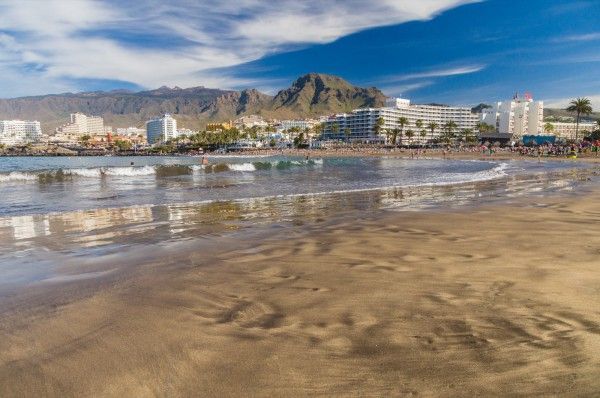
Tenerife is an island that can be explored from many angles—through its cuisine, landscape, culture, or endless possibilities for day trips. But let’s be honest, many of us come here mainly for the sun, the sea, and the tranquility of the beach.
Tenerife is an island that can be explored from many angles—through its cuisine, landscape, culture, or endless excursion options. But let’s be honest, many of us come here mainly for the sun, the sea, and the tranquility of the beach.
And it is precisely the beaches that make Tenerife exceptional. In a relatively small area, you’ll find completely different landscapes—from golden sandy lagoons in the south to wild black-sand beaches in the north, lined by cliffs and the dramatic waves of the Atlantic.
While the south of the island (Costa Adeje, Las Américas, or Los Cristianos) offers modern infrastructure, beautiful and luxurious resorts, promenades lined with cafés, and beaches with fine, light sand imported from Africa, the northern coast is like another world—authentic, natural, and peaceful, with dark volcanic sand and stunning views.
Whether you’re looking for a place to rent a comfortable lounge chair with a drink in hand, or you’d rather park your car by the cliffs and descend to the wild ocean, Tenerife has the perfect combination for you.
I’ve selected 7 beaches that I personally recommend to both travelers and those considering a longer-term stay or investing in real estate here. Each has its own charm, atmosphere, and amenities that will allow you to fully enjoy your time by the sea.
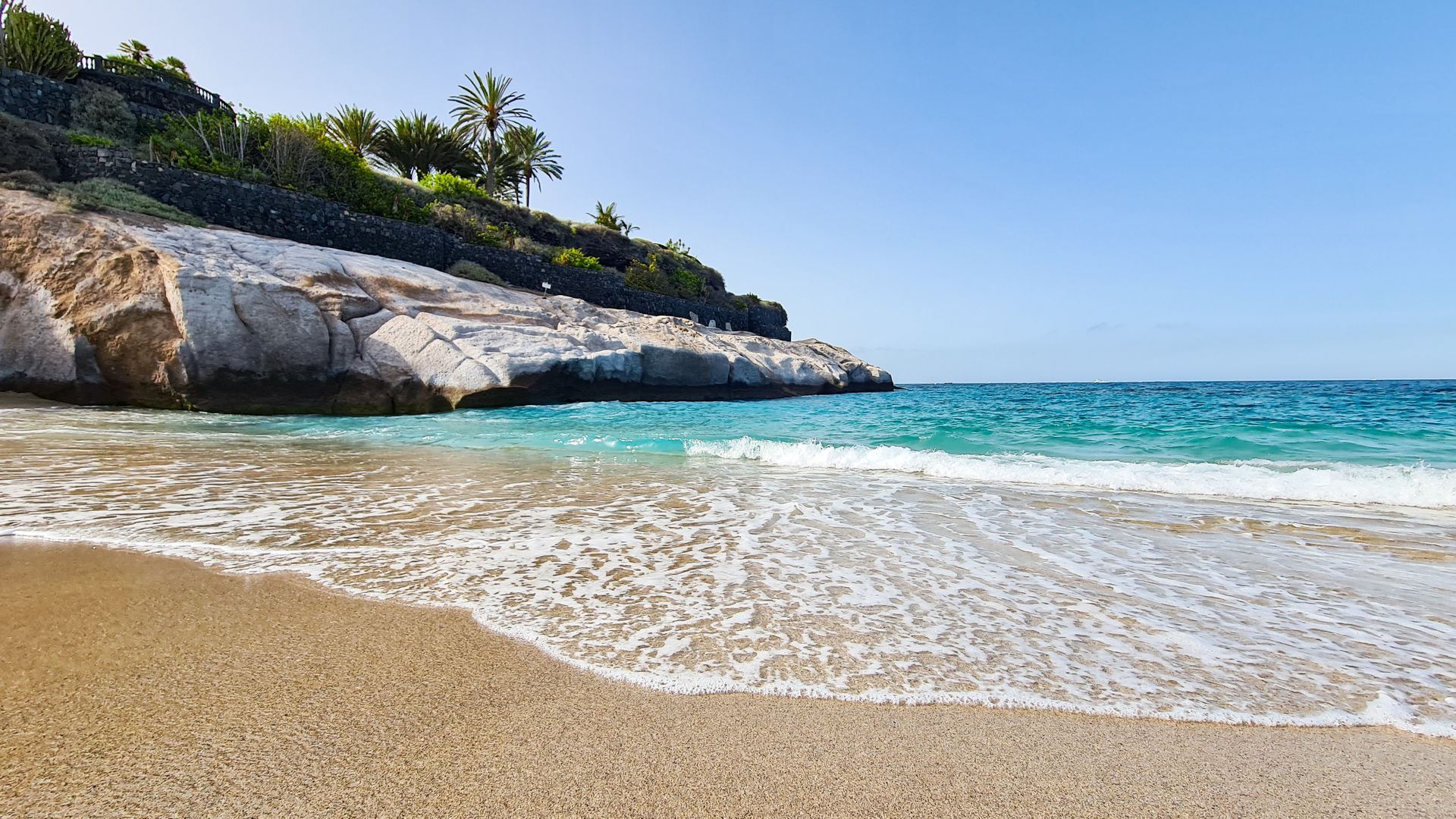
🏖️ 1. Playa del Duque – elegance and comfort
Playa del Duque is one of the most luxurious beaches in Tenerife. Located in the Costa Adeje area, it is known for its light-colored sand, calm sea, and luxurious atmosphere.
✅ Facilities: showers, restrooms, changing rooms, lifeguards on duty all day.
🅿️ Parking: in the underground parking garage at the Plaza del Duque shopping center.
🍹 Refreshments: stylish restaurants and cafés – such as La Nonna or BB Restaurant.
🪶
Beach chairs and towels: approx.
€20–25 per day for two, often including towels and service.
🌊 2. Playa de Benijo – wild and photogenic
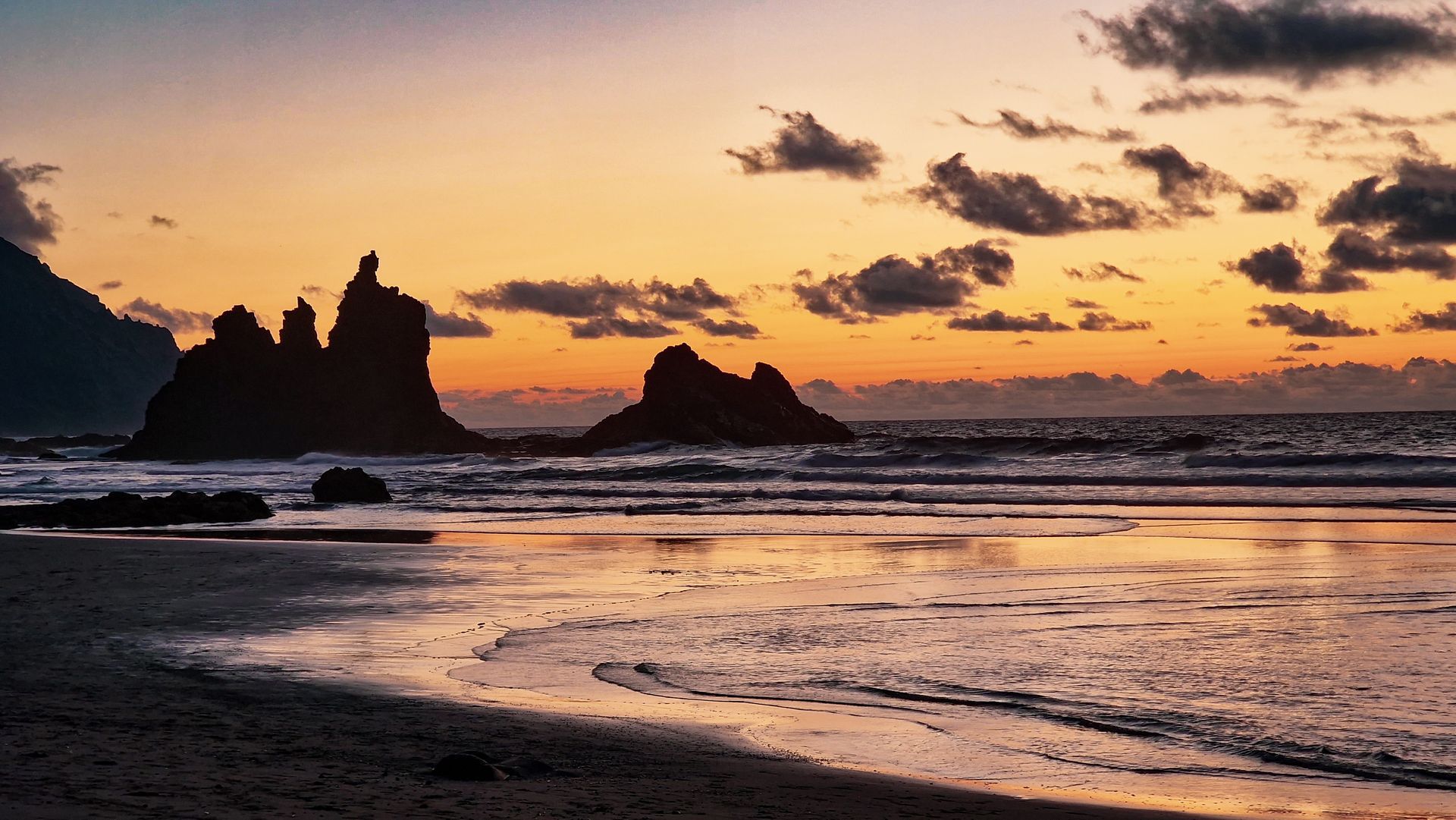
This dark volcanic beach in the north, in the Anaga region, is perfect for nature lovers and photographers. It has a wild, untamed feel, with dramatic cliffs and sunsets that are truly a sight to behold.
✅ Facilities: no showers or restrooms.
🅿️ Parking: small parking lot above the beach; walk down to the beach.
🍴 Food: El Mirador de Benijo – traditional seafood restaurant with a view.
💡
Warning: strong surf; swim at your own risk.
🌴 3. Playa de Abama – a hidden gem
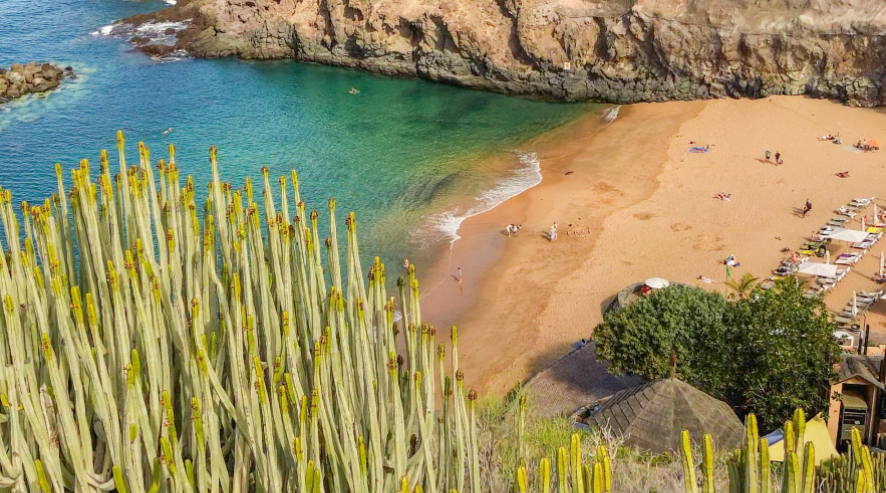
A smaller, light-sand beach below the Ritz-Carlton Abama resort is tucked away between the cliffs and feels like a private paradise.
✅ Facilities: showers, restrooms, lifeguard.
🅿️ Parking: at the resort, walk down or take the shuttle.
🥂 Refreshments: Verde Mar Beach Club offers fresh fish and cocktails.
🪶
Beach chairs: luxury sets with towels and service, approx.
€25–30.
🌅 4. Playa de Las Teresitas – Caribbean atmosphere
This iconic light-colored beach near the town of San Andrés was created from Saharan sand. Thanks to its calm waters and gentle slope, it’s ideal for families.
✅ Facilities: showers, restrooms, changing rooms, food stands, lifeguards.
🅿️ Parking: large free parking lot right by the beach.
🍍 Refreshments: the chiringuita El Caracol offers mojitos and tapas with a view.
🪶
Beach chairs: approx.
€5–7 per day; towels can be rented at a stand near the entrance.
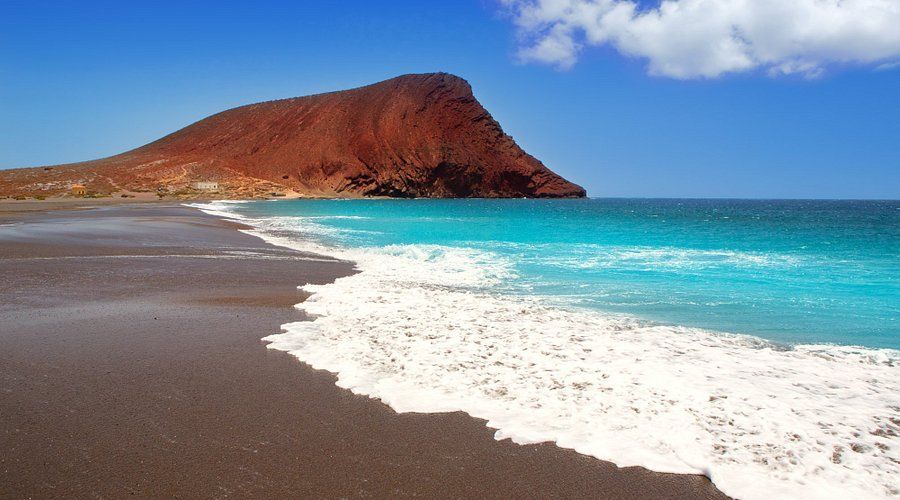
🌋 5. Playa de la Tejita – freedom and space
The expansive dark volcanic beach near El Médano is ideal for those seeking peace and quiet and a connection with nature.
✅ Facilities: showers near the parking lot, no restrooms.
🅿️ Parking: free along the road, a few minutes’ walk.
🥪 Refreshments: Chiringuito Pirata – a simple bar with a view of Montaña Roja.
🪶
Beach chairs: natural beach, no sets, but rentals are available toward El Médano
☀️ 6. Playa Fañabé – lively yet laid-back
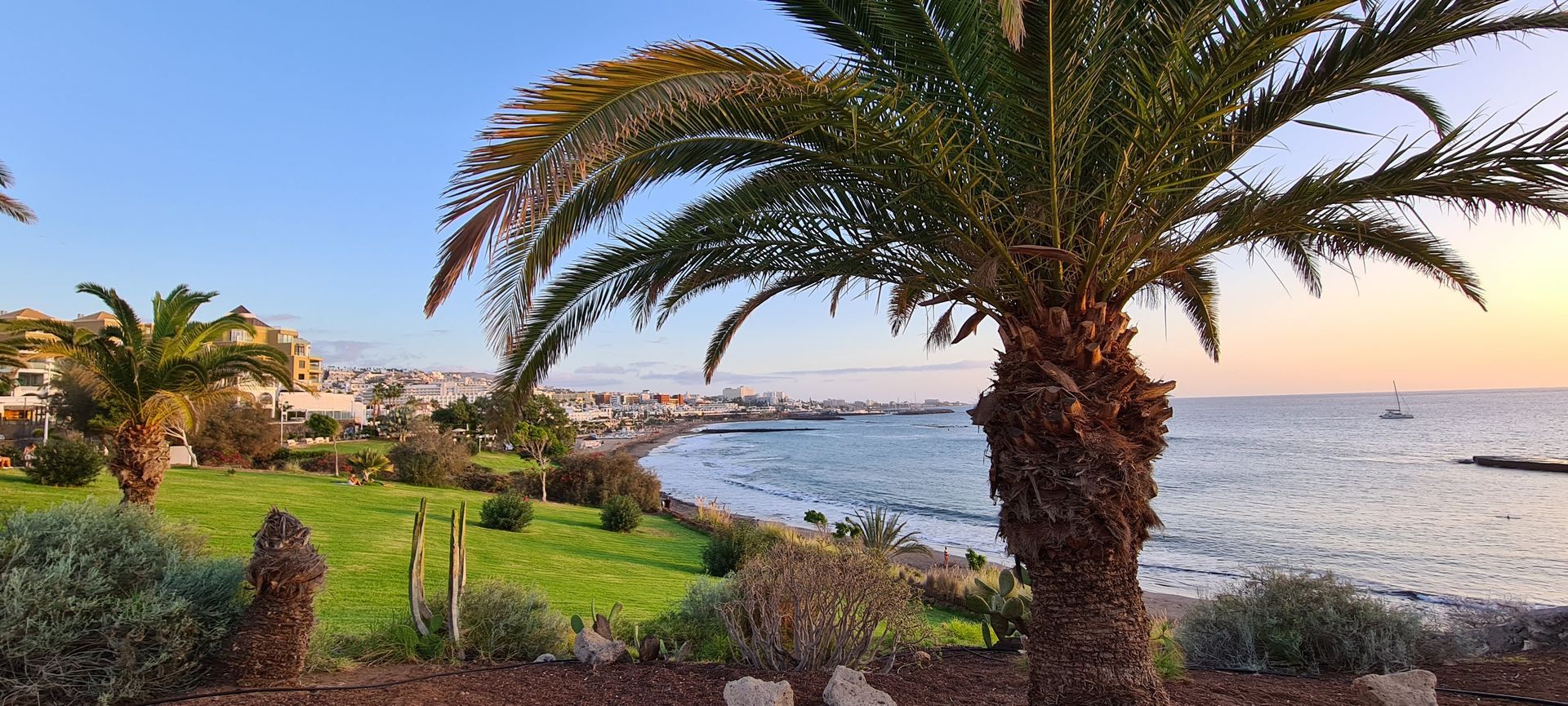
Playa Fañabé is a light-colored beach in the heart of Costa Adeje with fine sand and excellent amenities. Ideal for families and those who want to combine swimming with a promenade full of bars and shops.
✅ Facilities: showers, restrooms, changing rooms, lifeguards.
🅿️ Parking: public parking lot by the beach, or at the Bahía del Duque hotel.
🍹 Refreshments: the beach bars Kaluna Beach Club and Coco Beach offer cocktails and tapas.
🪶
Beach chairs: approx.
€15–20 per day for two, towel rental for a deposit of around
€10.
🌴 7. Playa de El Camisón – Peace and Quiet in the Heart of the Action
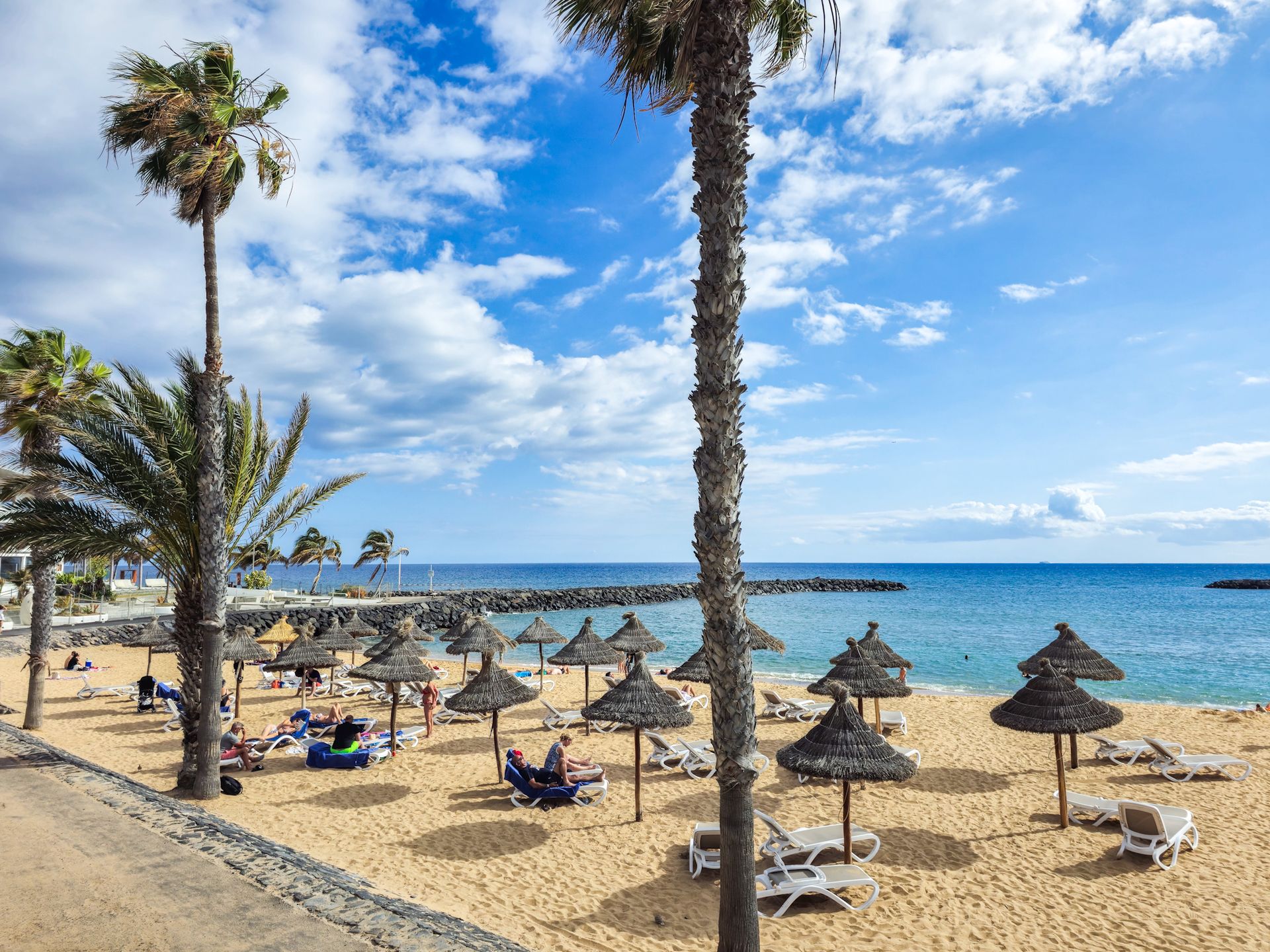
Located between Las Vistas and Las Américas, it feels surprisingly peaceful. Thanks to the breakwater, the sea is calm, making it ideal for swimming, even with children. The sand is light-colored and soft.
✅ Amenities: showers, restrooms, changing rooms, lifeguards.
🅿️ Parking: at the Mediterranean Palace hotel or in the underground garage across from the beach.
🥤 Refreshments: the Chill-Out Beach Club bar right on the promenade, great smoothies and tapas.
🪶
Beach chairs:
approx. €10–15 per set; towels can be rented at the rental stand next to the bar.
Final tips
At most beaches, you can rent sun loungers with umbrellas—from €5 in the north to €30 at luxury resorts in the south.
Towels can be rented either at the hotel or at rental stands at the beach entrance (deposit usually around €10).
Whether you’re looking for a romantic cove, a surfer’s paradise, or a place to simply enjoy the peace and ocean views, Tenerife will show you why it’s rightly called the “Island of Eternal Spring.” 🌊☀️
So, what’s your favorite beach?
Lucie.
Tajinaste Rojo
Tenerife's red miracle, which blooms for only a few weeks a year.
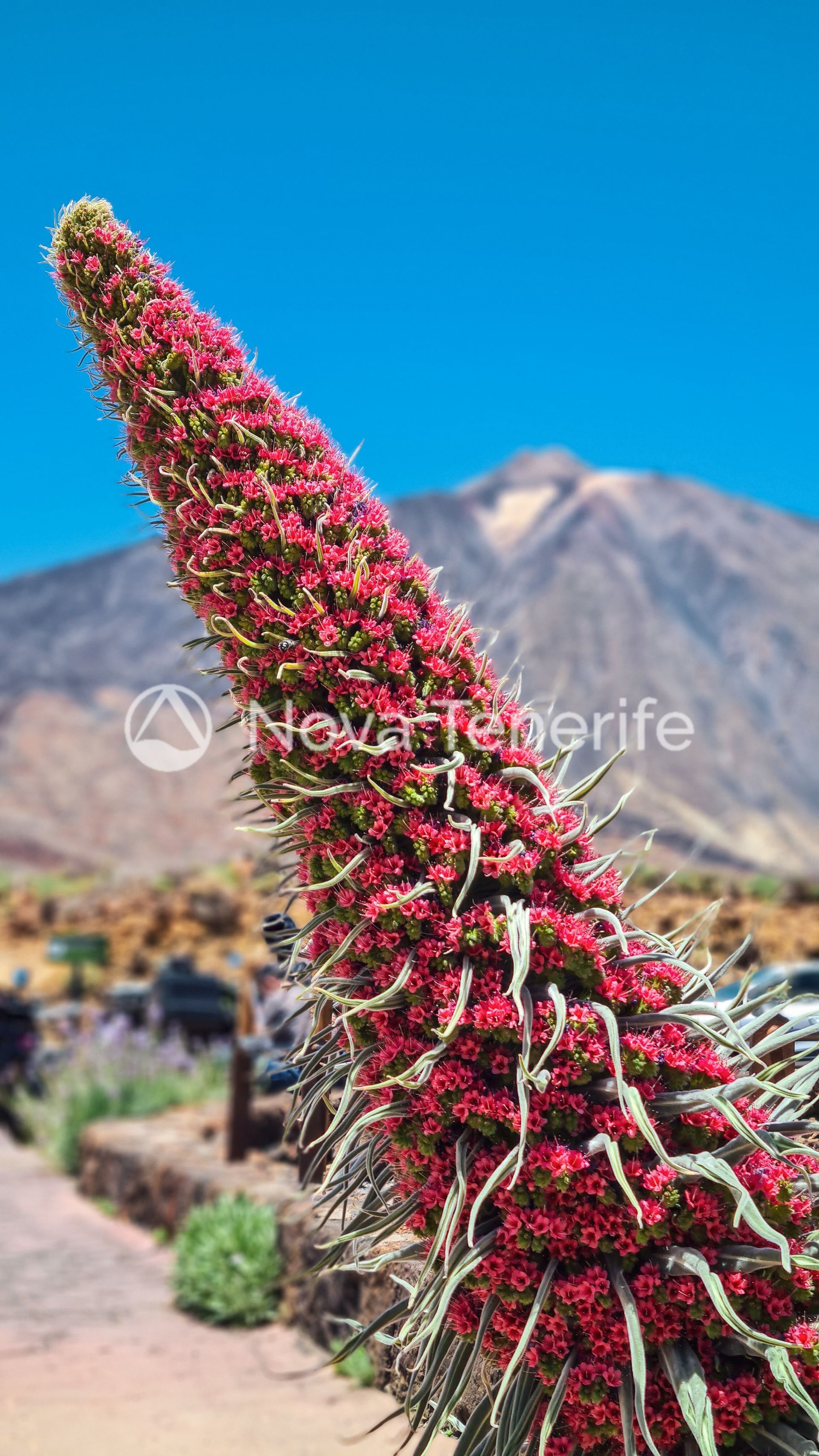
If you're planning a trip to Tenerife in the spring, don't miss one of the most breathtaking natural wonders the island has to offer: the Tajinaste Rojo—an endemic plant that blooms only on the slopes of Mount Teide and in the surrounding Las Cañadas plateau.
🌺 What is Tajinaste Rojo?
Tajinaste Rojo (Latin: Echium wildpretii) is a tall, slender plant that looks like a fiery red tower rising from rocky volcanic soil. It grows up to 3 meters tall and literally blazes with color during its short but intense blooming season.
📆 When does it bloom?
Tajinaste Rojo has a very limited blooming period. In the wild, you can admire it only during spring, usually from April to June:
April: start of flowering – the first tajinastas appear
May: peak of the season – the entire slopes of Teide turn red
June: end of flowering – the flowers gradually wilt
For the rest of the year, the plant simply forms a rosette of leaves and waits for its unique moment – it blooms only once in its lifetime.
🐝 A Little Miracle for Nature
When the tajinaste blooms, thousands of bees, bumblebees, and butterflies flock to feed on its nectar. The plant is not only beautiful but also essential to the ecosystem of this part of the island.
📍 Where can you find it?
The best place to see the tajinaste is Teide National Park, specifically the Las Cañadas del Teide area—a vast volcanic plain surrounded by mountain ranges. From southern Tenerife, you can get here by car in less than an hour.
🥾 Recommended trip tip:
- Route: Mirador de La Ruleta – Roques de García – Llano de Ucanca
- Duration: approx. 1.5–2 hours of leisurely walking
- Difficulty: easy to moderate
- Views: Teide, tajinastas, rock formations, sea of clouds
📷 Photography tips:
- Best light: golden hour (morning or evening)
- Use a lower angle – the inflorescence looks more monumental
- Capture the contrast between the red plant and the black volcanic landscape
✨ Why see it?
Because the Tajinaste is like a red flame in the middle of a lunar landscape. It is a symbol of nature’s power, resilience, and beauty—fleeting, yet all the more precious for it. Simply put: you won’t see this anywhere else in the world.
🔵 The blue version of the tajinaste – where to see it?
🏝️ La Palma – Tajinaste Azul (Echium gentianoides / Echium webbii)
- Blue tajinastes (sometimes also purple or azure) are most commonly found on the island of La Palma, which is also part of the Canary Islands.
- It grows naturally at high altitudes, primarily in the Caldera de Taburiente, Roque de los Muchachos, and other mountainous areas above 1,500 m above sea level.
- It blooms similarly to the red tajinaste—usually in May and June.
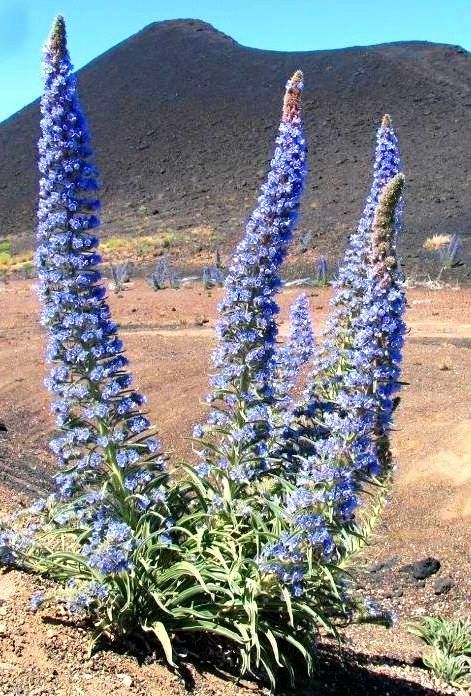
🌄 Tenerife – blue varieties around Teide (rare)
- In Tenerife, you can occasionally see blue-flowering Echinops species, but they are not as striking or common as the red ones.
- They occur at lower elevations and often have smaller inflorescences—more “shrubby” than tower-like.
Katie
The Canary Islands
An invitation to the islands of eternal spring.
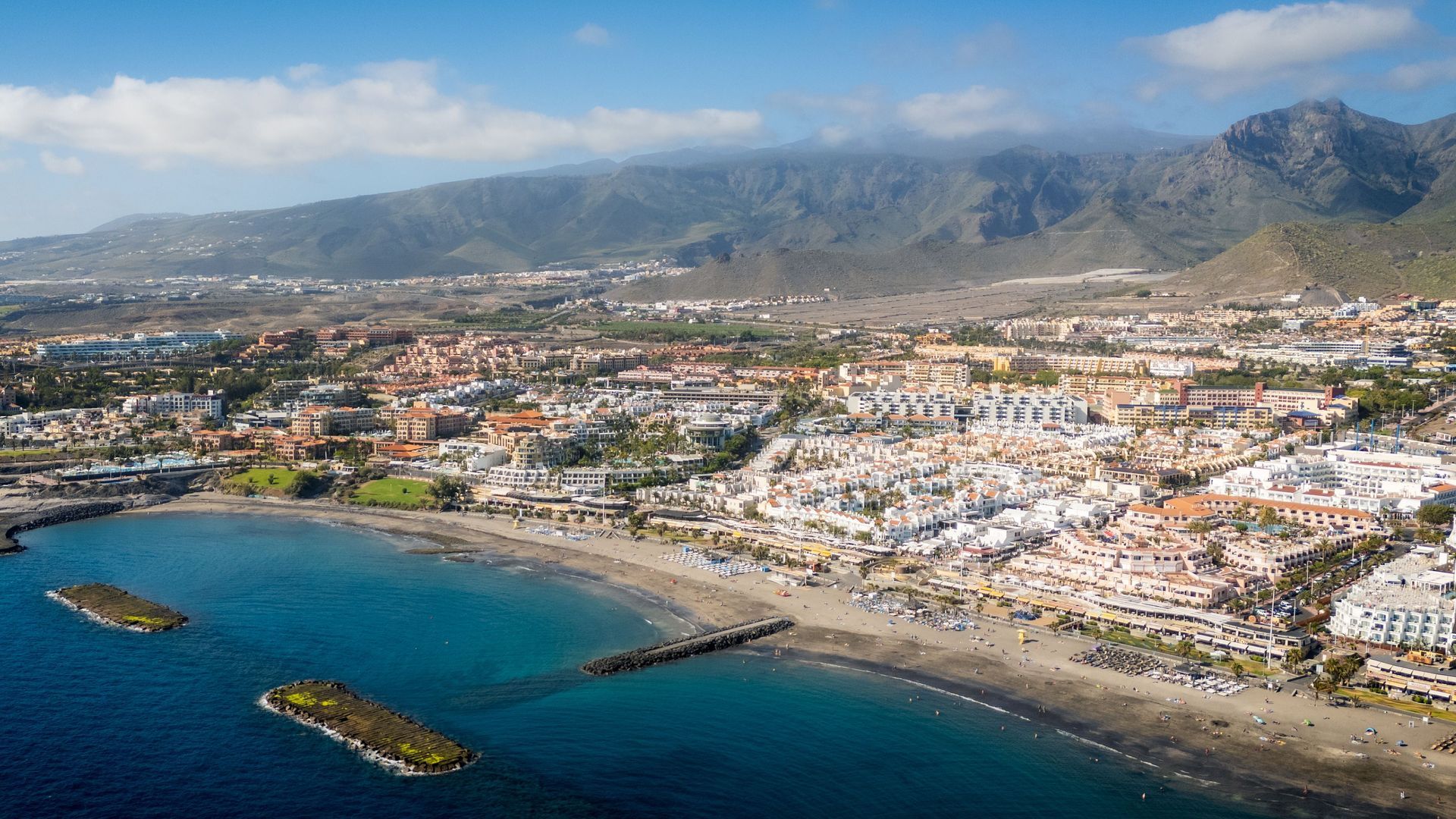
Imagine a place where, in a single day, you can go from a seaside beach to volcanic mountains and, in the evening, gaze at stars brighter than anywhere else. These are the Canary Islands—small worlds in the middle of the Atlantic that beckon with their diversity, nature, and tranquility.
A bit of history—why the islands are the way they are.
As you step into the narrow alleyways of the old town, you may sense a touch of the past—the days when the islands belonged to their original inhabitants, the Guanches, and later became a strategic stop on maritime routes. But before this piece of land became a human story, it was born of fire and lava. The Canary Islands are of volcanic origin: millions of years ago, where you now swim, walk, and perhaps enjoy your vacation, there was an area of intense volcanic activity that, over time, gradually spewed lava and built the islands above the surface of the Atlantic Ocean. That is why you will find dramatic volcanic calderas, black sand beaches, and a living volcanic landscape that is still taking shape.
When sailors arrived in the 15th century, the islands began a new chapter in history under Spanish influence—they became a transshipment point for voyages to the New World and a place where cultures clashed. Today, the islands’ cultural mosaic blends the indigenous legacy of the Guanches, Spanish traditions, and modern tourist life. Once you’re here, you’ll understand that history and geography aren’t separate chapters, but intertwine in every stone and local story.
Each island has its own personality—choose the one that’s right for you:
When you wake up with a plan to set out on an adventure, choose an island based on the mood you want to experience. Each island has its own character and will surprise you.
TENERIFE – it has a little bit of everything from all the other islands
As soon as you land in Tenerife, you’ll feel like you’ve arrived in a world where you can find absolutely everything: Pico del Teide, towering over the island like a monarch; lively cities and tranquil coves; beaches where you can relax, and surf spots where you can get your endorphins pumping. Hiking in a lush forests over the mountains and discovering authentic villages or exploring places over lava landscapes. If you’re looking for a mix of adventure and comfort, Tenerife is the perfect choice.
GRAN CANARIA — a continent in miniature
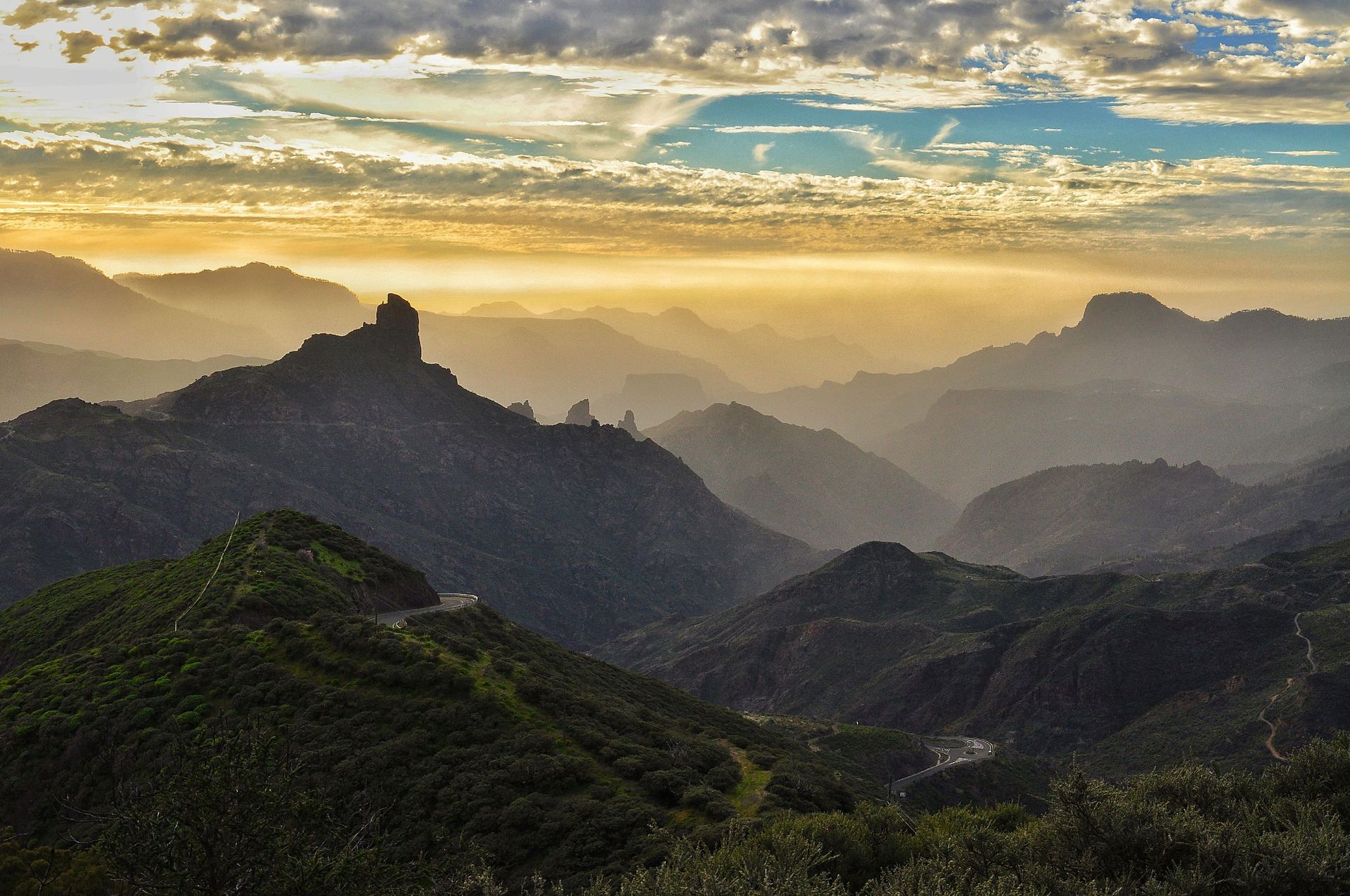
As you travel around Gran Canaria, you’ll see the beaches and dunes of Maspalomas, picturesque harbors, and the lush interior. At times, you’ll feel as if you’re moving from one country to another—yet you’re still on the same island.
It’s the perfect choice for those who want variety without having to travel far.
LANZAROTE— Volcanic Beauty and Art in the Landscape
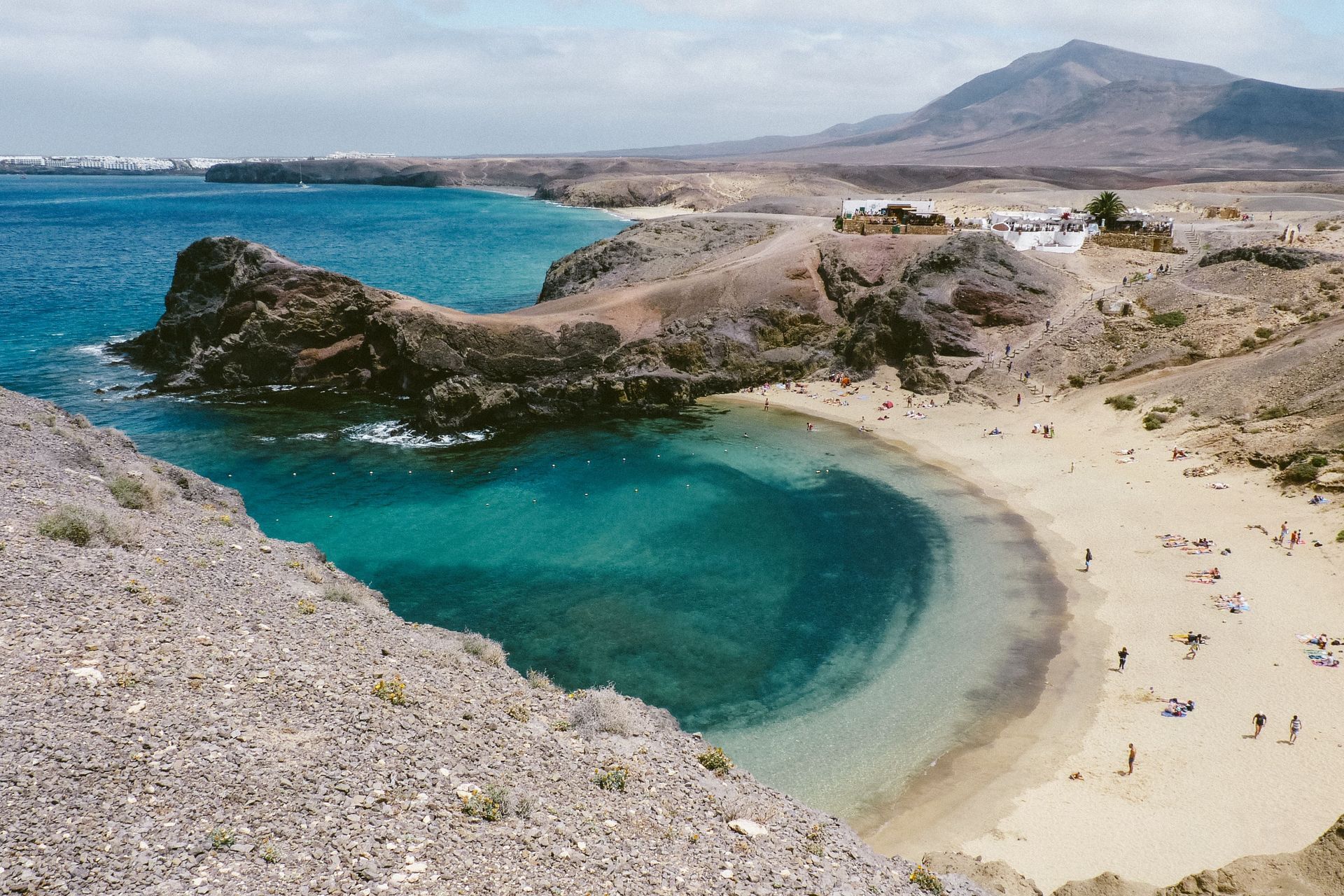
As soon as you step into the Timanfaya area, you’ll feel as though you’ve entered a volcanic gallery. The landscape here resembles the canvas of a modern artist—César Manrique breathed life into the island, blending architecture with nature.
If you love photography and unique scenery, Lanzarote will captivate you.
FUERTEVENTURA — sand, wind, and the freedom of surfing
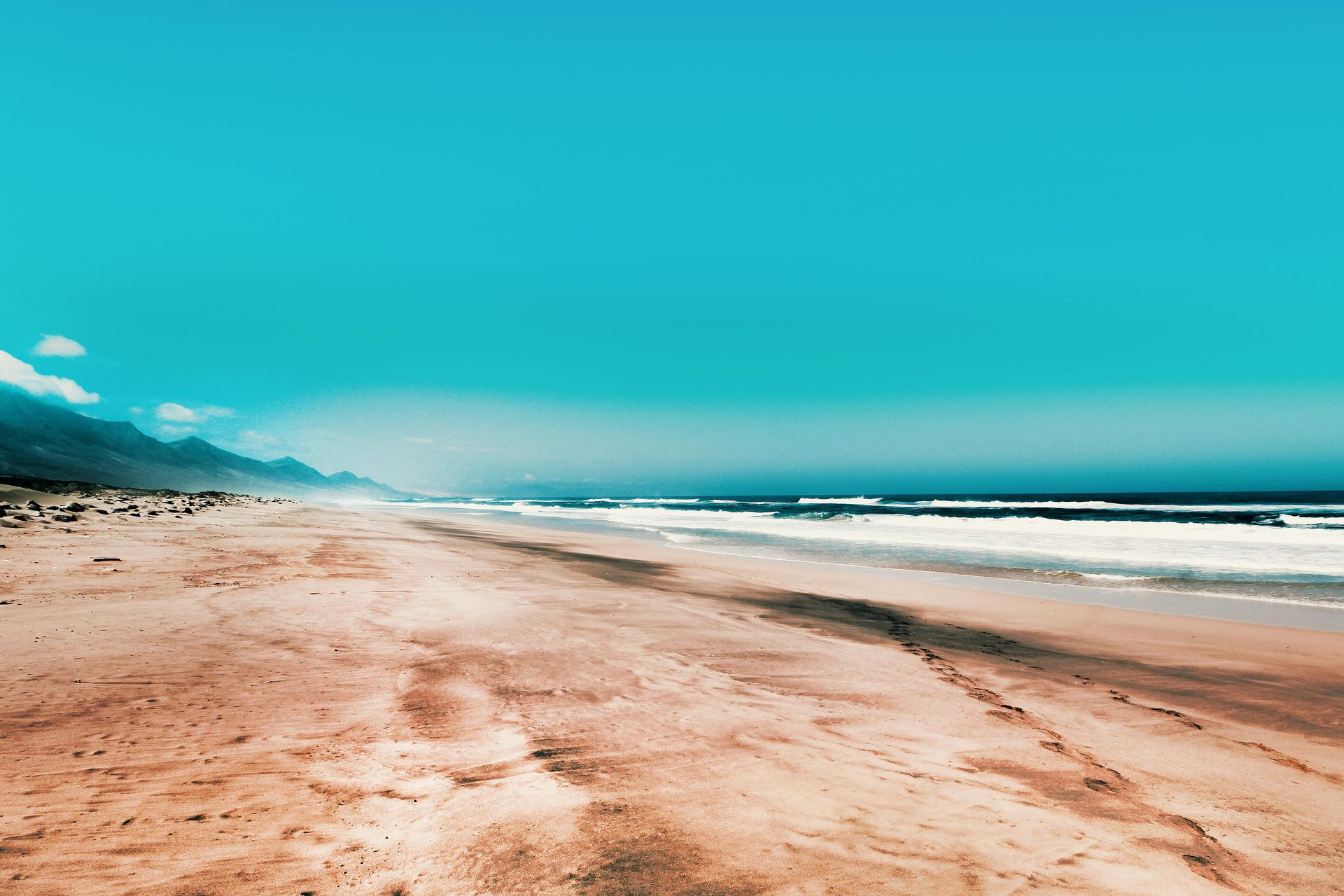
As soon as you step onto the long beaches of Fuerteventura, you’ll feel the wind beckoning you to get active. Corralejo and the other coves are a paradise for windsurfers and kitesurfers. If you’re looking for open space, endless sand, and the wind in your hair, this is the place to go.
And just imagine those long beaches…
LA PALMA — rainforests, calderas, and starry nights
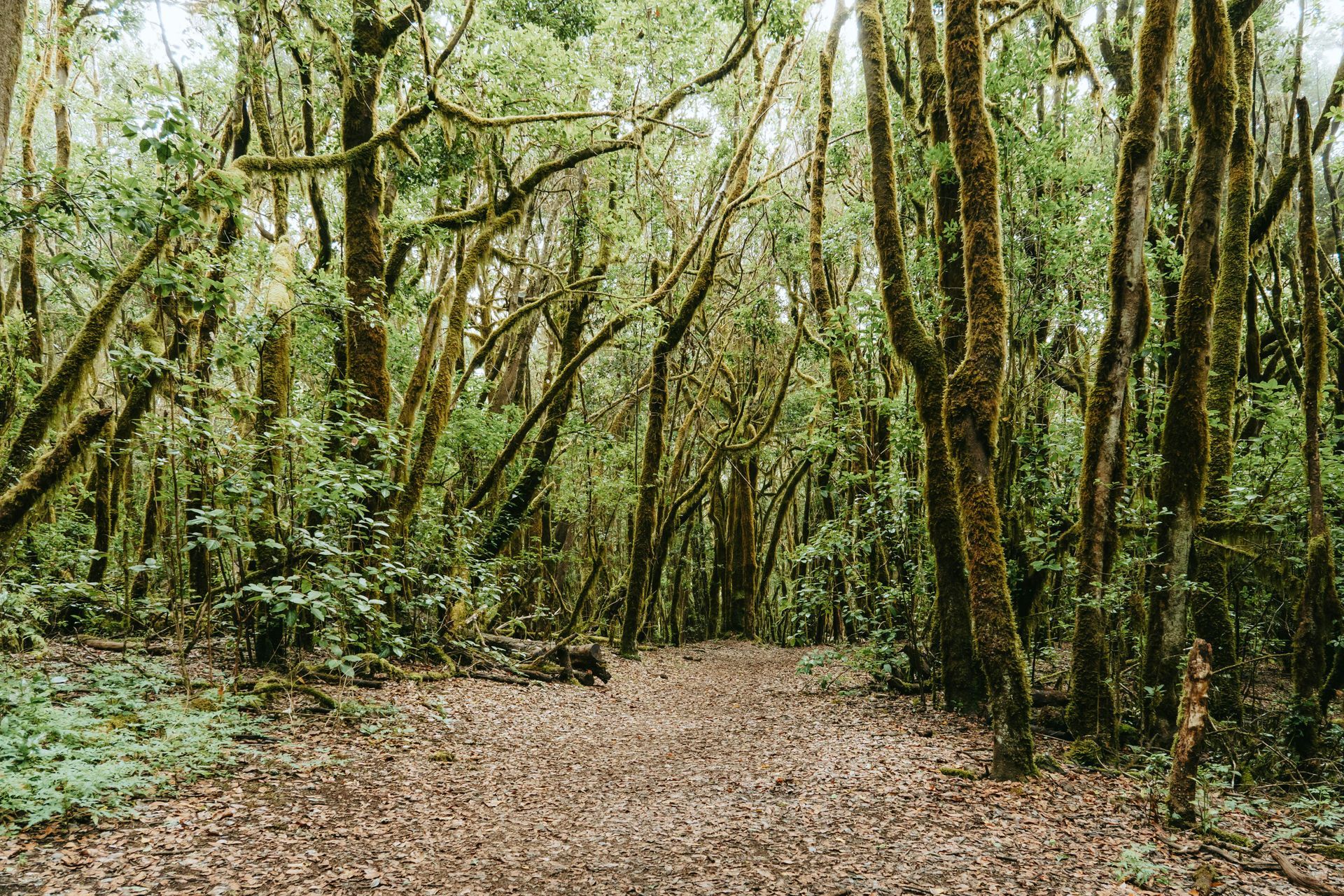
If you visit La Palma, you’ll experience a sense of peace and lush greenery. If you love hiking, get ready for deep valleys and breathtaking views where you’ll stand above a landscape that unfolds before you like a living painting. And when night falls, get ready for one of the clearest starry skies in Europe.
LA GOMERA - Silence, trails, and old-growth forests
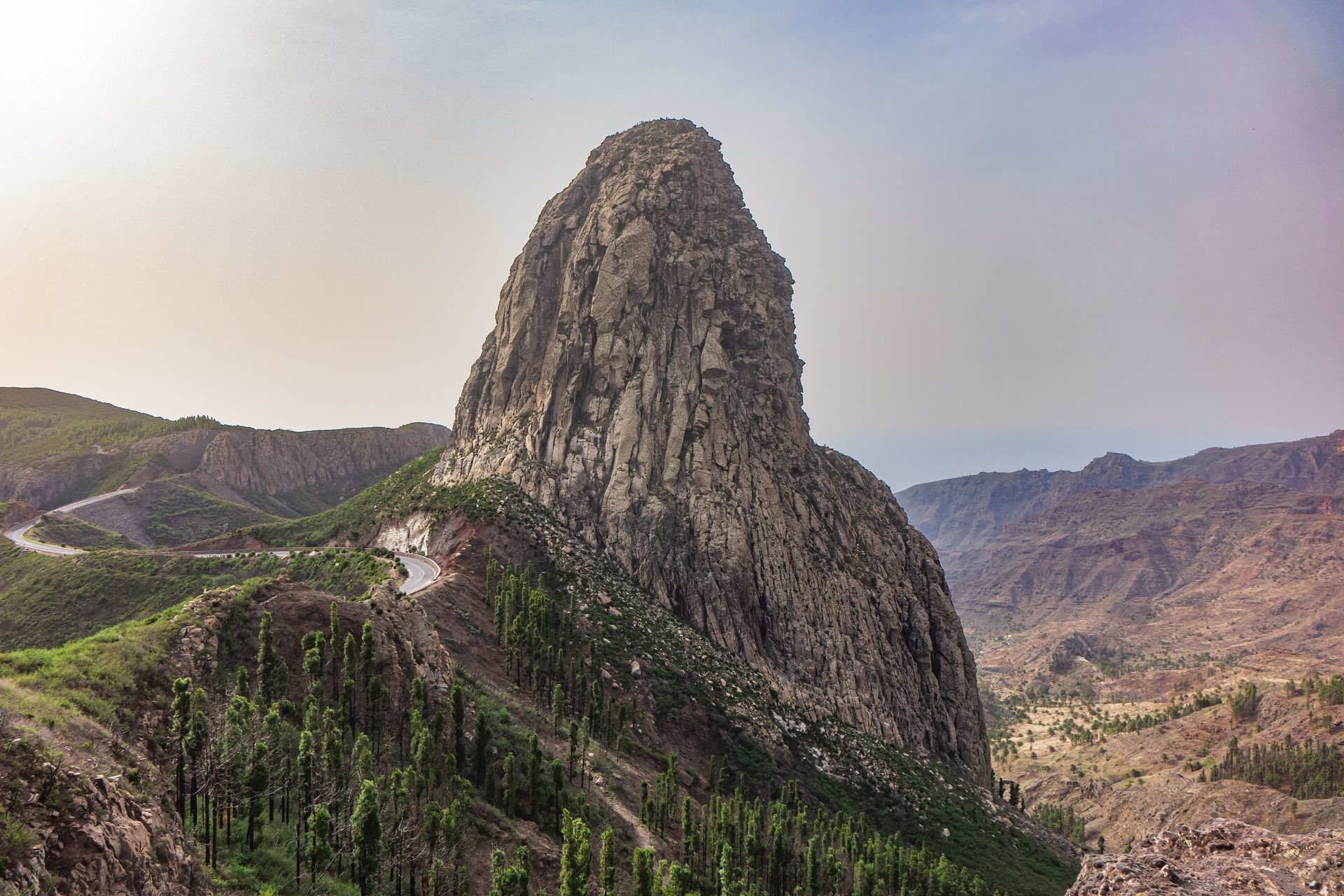
Once you discover the primeval forest in the Garajonay Valley, you’ll understand why La Gomera appeals to those who seek peace and quiet. Here, you can walk along trails that gently guide you through nature, and your thoughts will become clear.
EL HIERRO — a wilderness and a diver's paradise
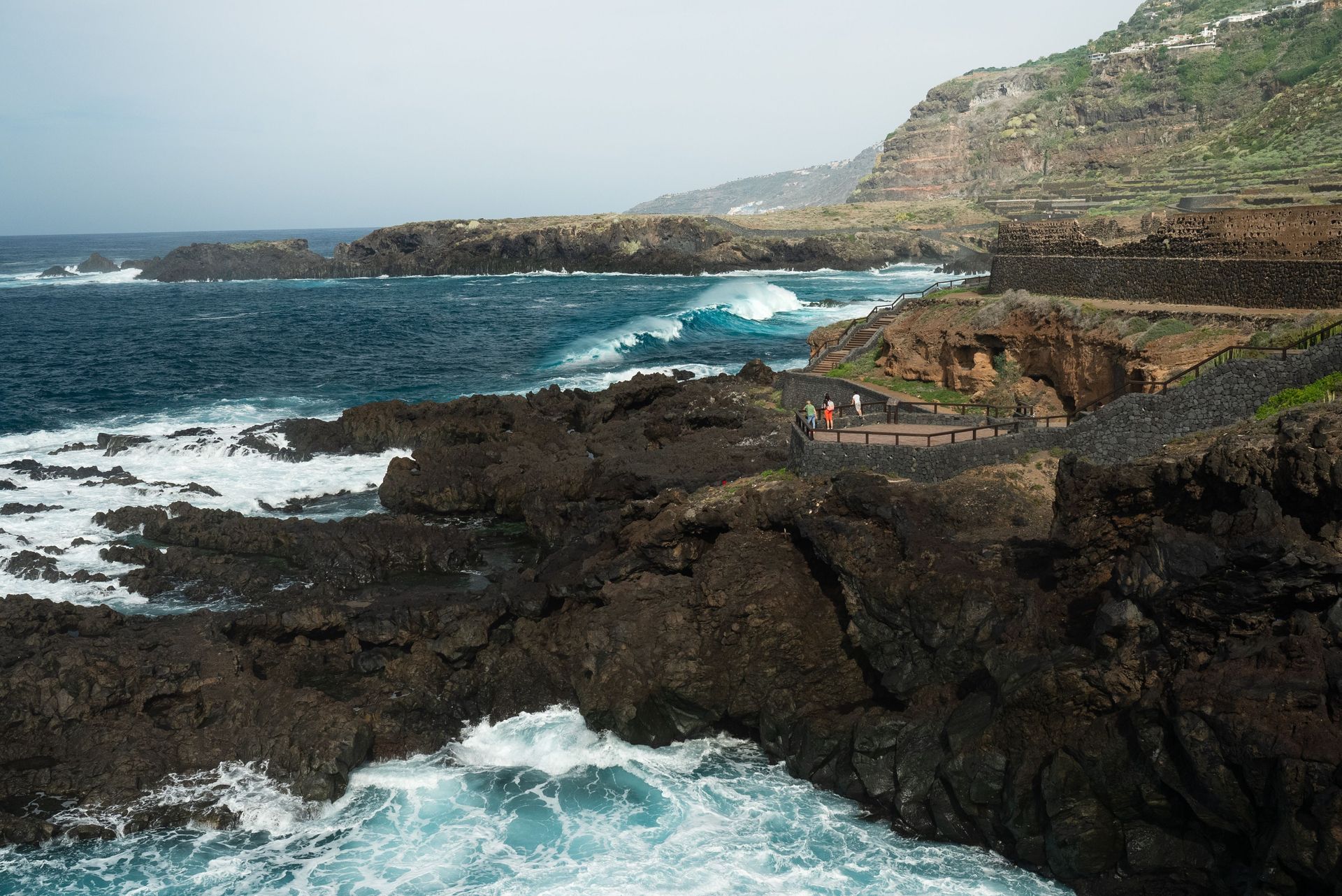
When you arrive on El Hierro, you’ll be glad to find that there’s still
some unspoiled nature left. For divers, there are underwater formations here that are sure to impress.
What is there to do in the Canary Islands? Get a little taste of what’s on offer.
When you stand beneath the steep silhouette of Pico del Teide, you’ll feel a sense of wonder—these aren’t just mountains; it’s a scene that transforms your perspective. Take the cable car up, go for a short walk, and in the evening, witness the convergence of clouds and light that you’ll remember for a long time.
When you sit down on the sand at El Médano or Corralejo, watch the colors of the sails on the horizon and let the wind beckon you. Sign up for a lesson, the instructor will hold you steady, and your first glide across a wave will make you feel like you belong to the sea.
That moment when you suddenly stand on the board and hear the water all around you—that’s the freedom you’ll want to experience again and again.
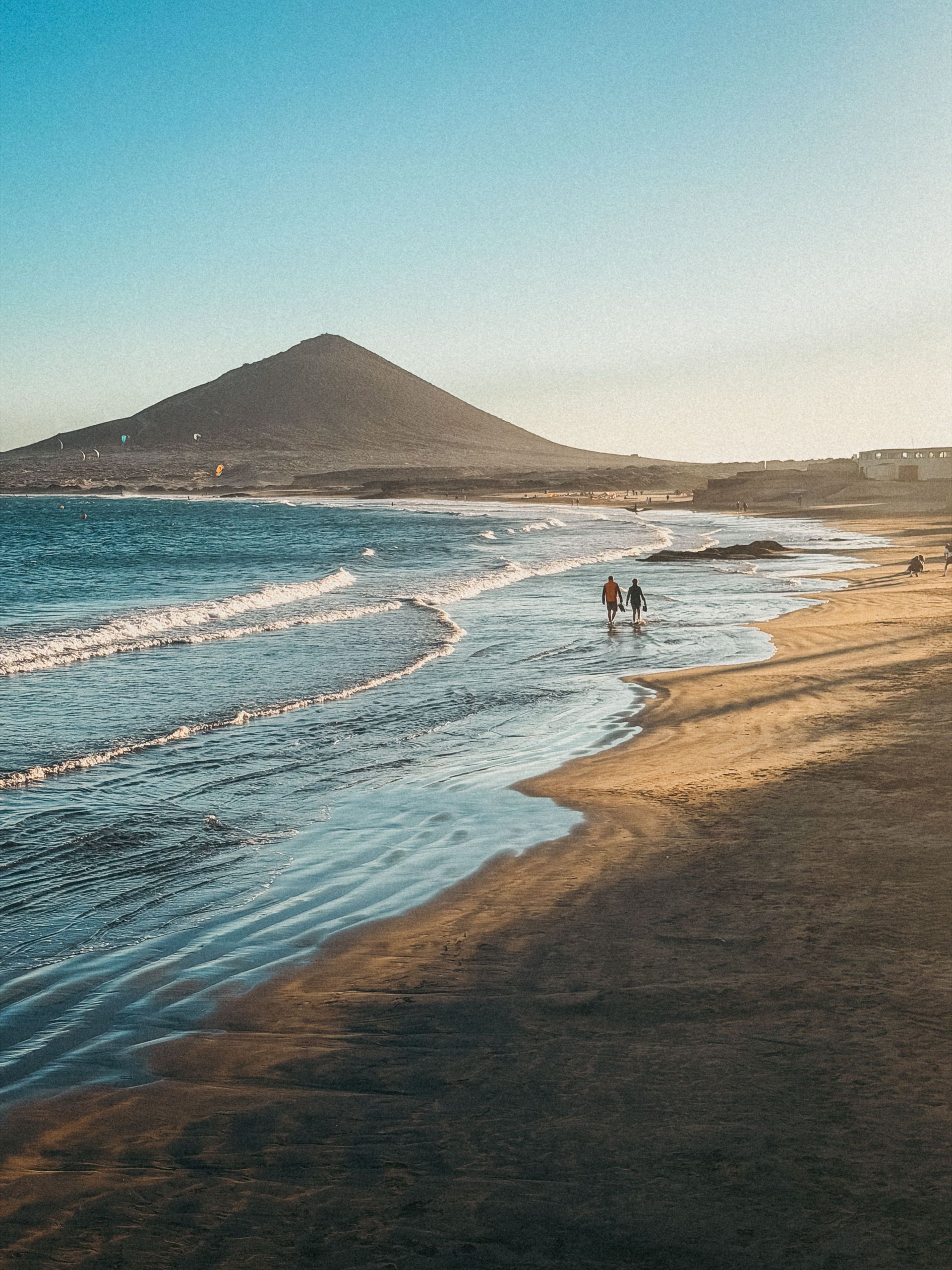
Once you dive below the surface, you’ll see volcanic caves, schools of fish, and maybe even a turtle slowly swimming around you. Diving here isn’t just a sport—it’s an encounter with another world that will calm and enrich you at the same time.
When you set out on a trek, the morning will greet you with cooler air and light that paints the valleys and cliffs into beautiful patterns. Climbing the trails, discovering hidden views, and being in tune only with the rhythm of your own breath—that is the experience it’s all about.
When you board a boat to go whale watching, prepare for moments of silence and wonder.
As dolphins frolic around the boat, you’ll want to stop time.
The guides here know well how to respect the animals—and you’ll take home a memory that will last a lifetime.
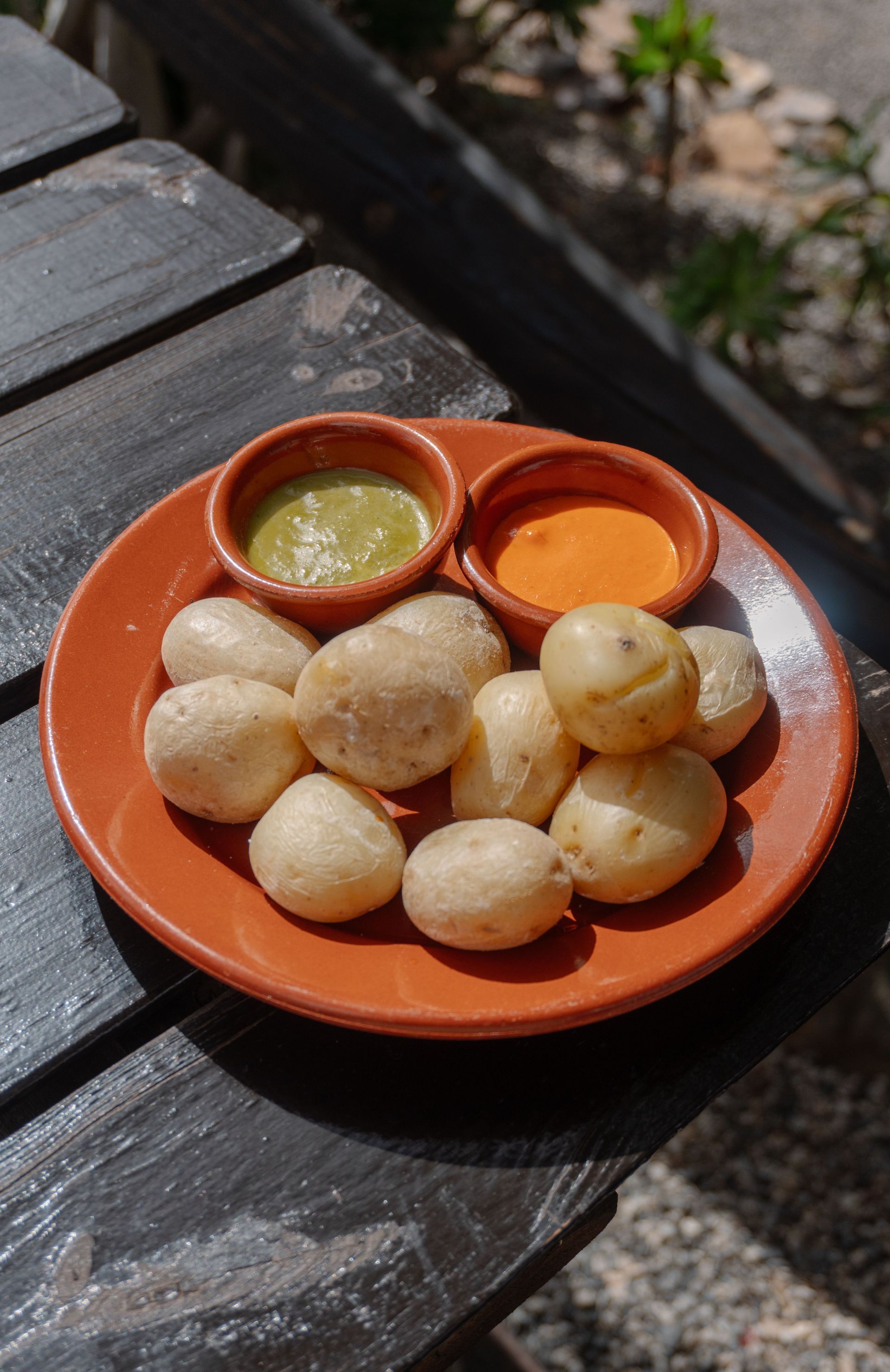
When you taste the local cuisine, it won’t just be food—it will be a journey.
Papas arrugadas with mojo, freshly grilled fish, a small family-run restaurant where you dine to the rhythm of local conversation—all of this will reveal the islands from the inside. And when you visit
a small winery, you’ll be surprised by the rich flavor profiles they manage to draw out of the harsh volcanic soil.
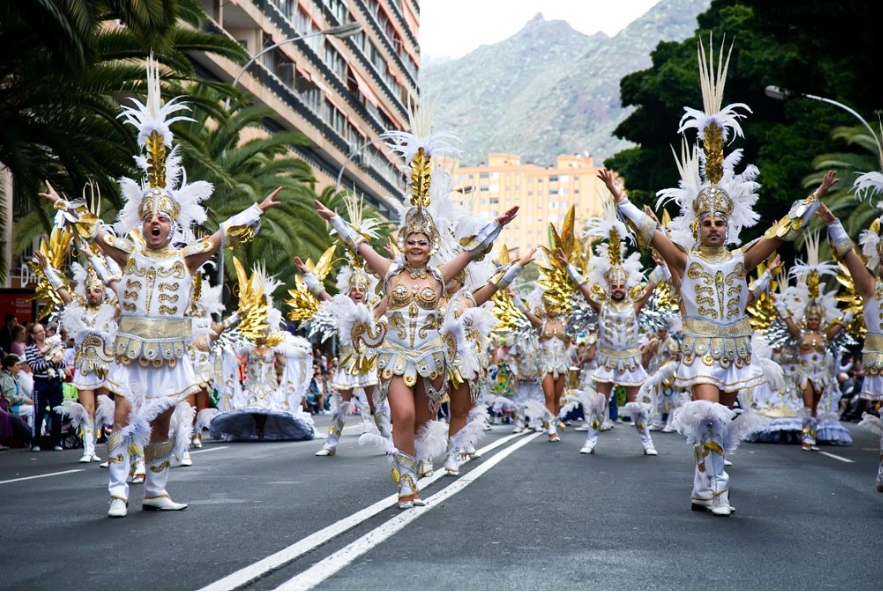
If you’re lucky enough to stumble upon a carnival or a local festival, let yourself get swept up in the moment.
Music, traditional costumes, dancing—it’s a celebration of life that people here know how to experience to the fullest.
Whether you join in or just watch, it’s sure to be an unforgettable experience.
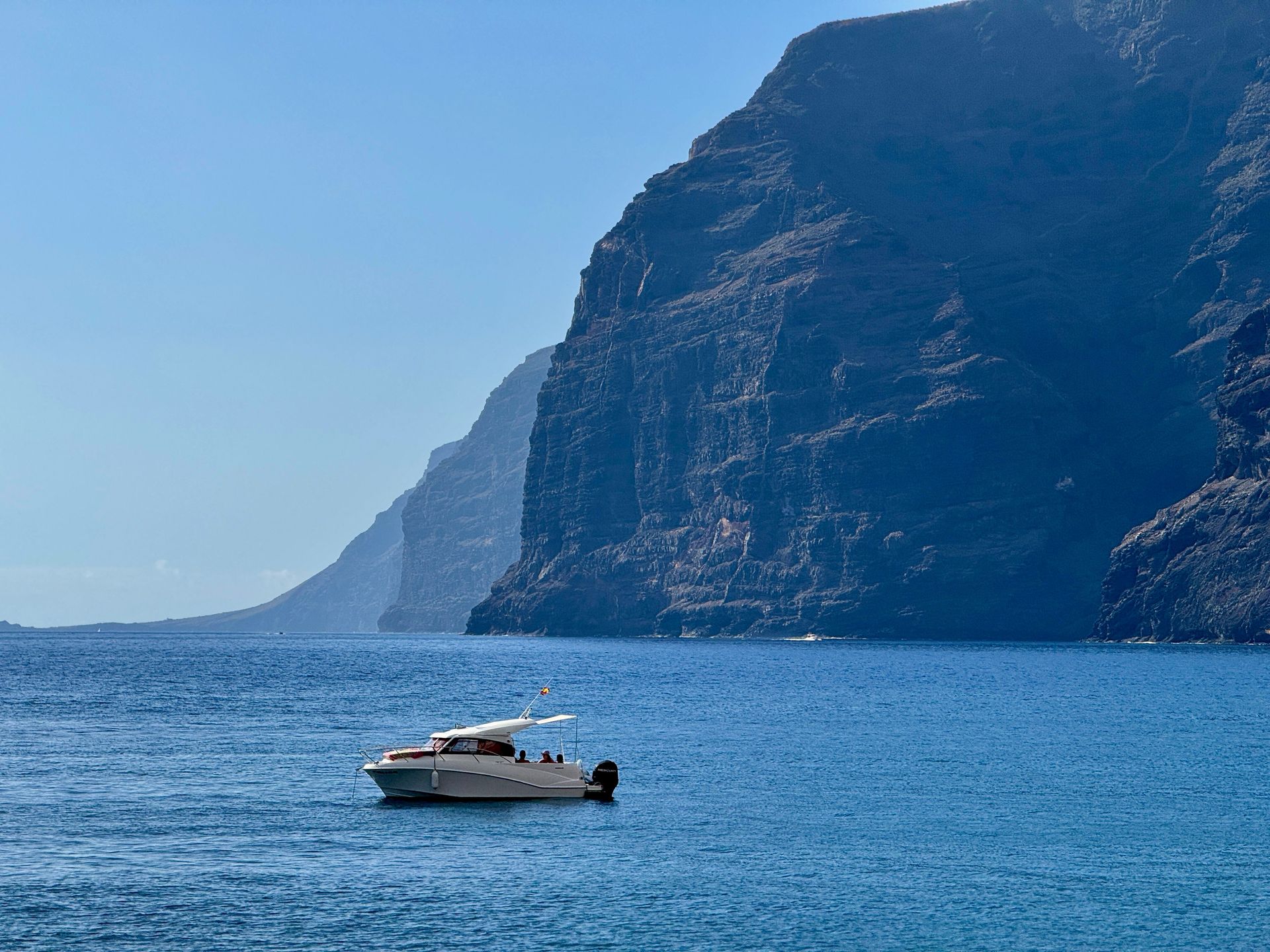
When silence falls in the evening and you look up at the sky above La Palma or Tenerife, you’ll understand why these peaks are so popular with astronomers. The stars don’t seem distant here—they almost seem to be speaking to you.
When you’re ready to relax, play a round of golf with a view of the ocean. On the green in the morning, on a lounge chair in the afternoon, and with a cocktail in hand in the evening—that’s what a perfect day might look like.
Practical Information — How to Get Here and What to Keep in Mind?
When planning your trip, decide how you want to travel: a direct flight from Europe is the most convenient, and if you want to visit multiple islands, you can take ferries or short domestic flights. If you want to explore more than one destination during your stay, consider renting a car—driving conditions are standard European, and the roads are mostly in good condition. But remember: drive slowly and carefully on mountain roads!
When you arrive at the airport, you’ll pay in euros. EU citizens can travel with an ID card or passport—so you’re all set. We recommend having valid travel insurance and a small first-aid kit. And if you’re planning a longer stay or an investment, be sure to check the local tax and legal regulations in advance—ideally with our help.
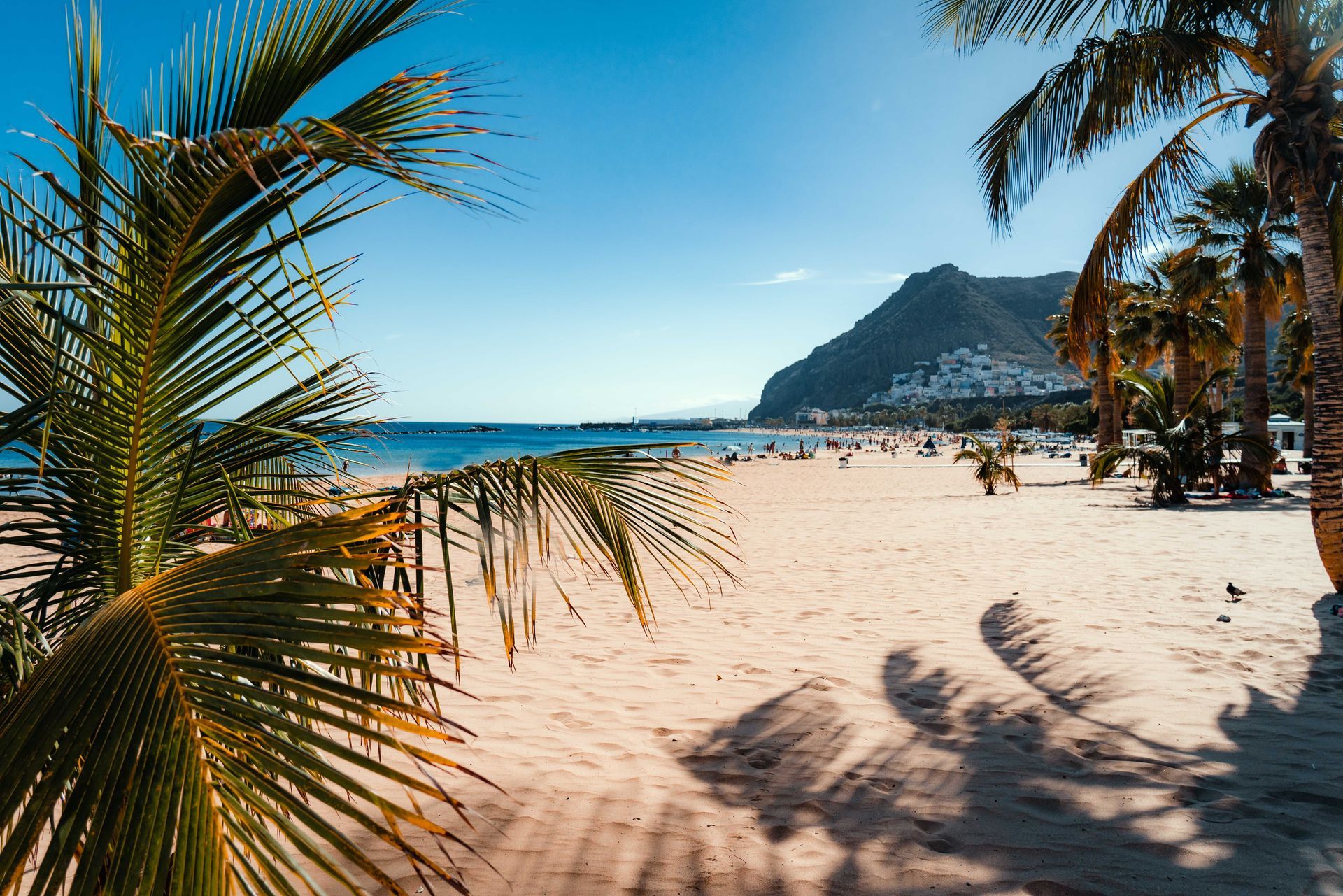
Weather and When to Go?
When deciding on a date, keep in mind that the Canary Islands offer pleasant weather all year round, but each has its own microclimate. The south tends to be drier and warmer, while the north can be green and foggy—so if you’re looking for beach days, choose the south; if you want comfortable hiking, choose spring or fall. In winter, you can often escape the gray European weather here—and find pleasant temperatures and sunshine.
Advantages and Limitations — What to Keep in Mind?
When planning your trip to the Canary Islands, keep the following advantages in mind: a consistent climate, diverse natural landscapes in a compact area, and infrastructure tailored to tourists. At the same time, however, keep in mind that the main tourist areas can be overcrowded during the high season (this doesn’t suit everyone—but there are still plenty of places untouched by tourists), some parts of the islands may have limited water supplies, and prices in tourist areas can be higher. Windy days, especially in Fuerteventura, can limit swimming—but if you love the wind, that’s exactly what you want.
Safety and respect for the area—keep this in mind.
When walking through the streets, use common sense—the Canary Islands are safe, but pickpocketing can happen here too.
Above all, respect nature: don’t damage plants, don’t enter restricted areas, and keep the environment clean. If you rent a car, park in designated spots and
follow local rules. And definitely don’t start a fire outside of designated areas (I’ll write about those next time—this will especially appeal to those who love to barbecue).
Last-minute tips before your trip — a step-by-step guide.
When planning, do this: book your flights and a car well in advance (if you wait until the last minute, prices will be higher). Once you have your dates, start looking for accommodations.
There’s something for everyone here, whether you prefer private lodging or the comfort and services of a hotel. If you plan to go trekking, make sure to bring appropriate footwear (on some treks, you may be surprised by a check, and if your shoes are unsuitable, you’ll be sent back without mercy).
You don’t need to bring high-quality sunscreen unless you have a favorite brand. Start making a list of places you’d like to visit, and use that to begin planning your vacation itinerary.
If you’re interested in real estate investment, schedule a preliminary consultation in advance. We’d be happy to make time for you during your trip to discuss your investment options and show you suitable locations and properties.
What can we say in conclusion?
When you arrive here, the islands will welcome you with open landscapes, warm people, and experiences that are different every day. The Canary Islands aren’t just a destination—they’re an invitation to live a little differently.
Come and see for yourself. If you need help with planning, your itinerary, or finding accommodation or a property, write to us—we’d be happy to advise and assist you.
Lucie.
Designed BBQ Areas in Tenerife (Zonas Recreativas)
Where Nature Meets Outdoor Dining
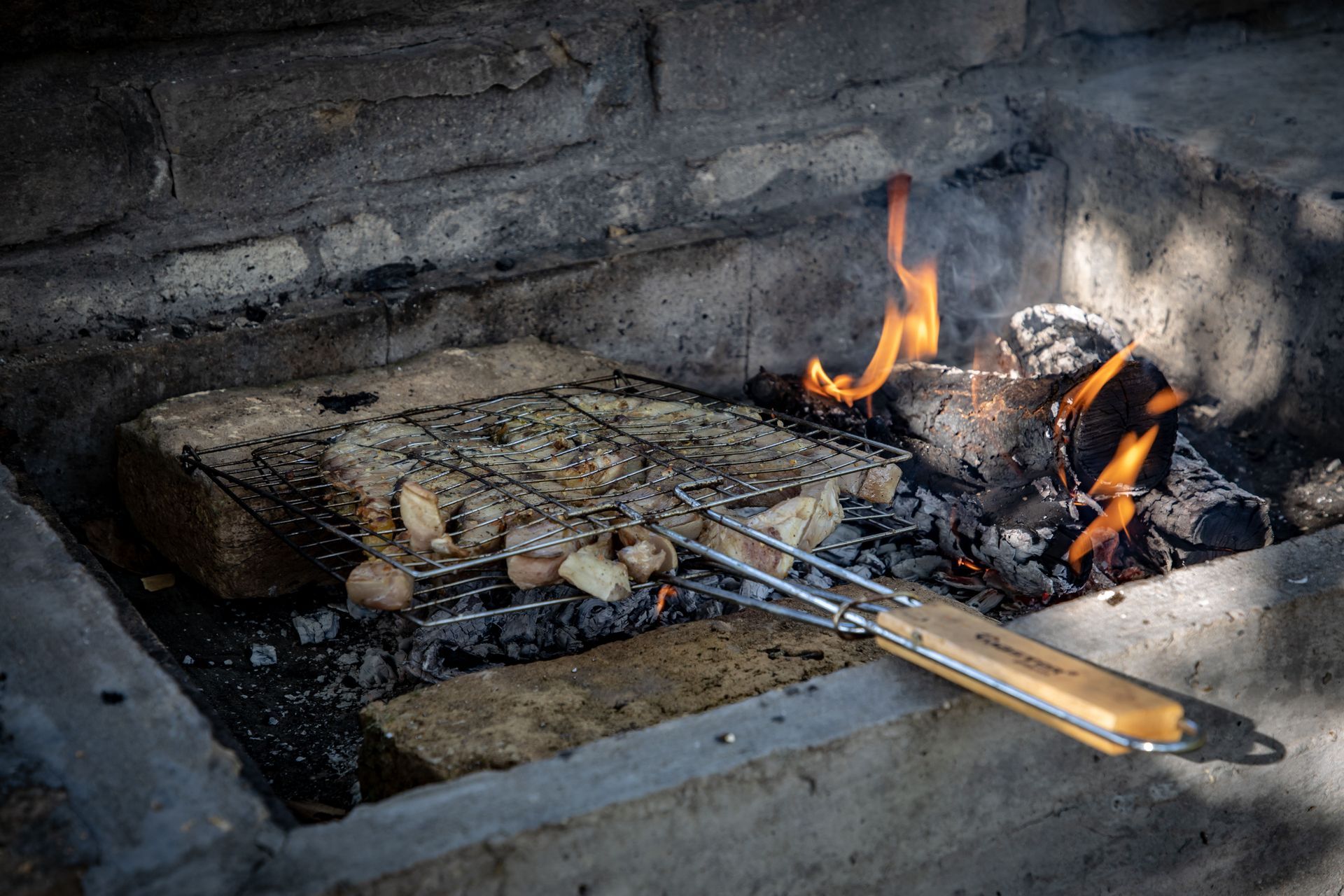
Tenerife is famous for its volcanic landscapes, dramatic coastlines, and year-round sunshine. But beyond the beaches and hiking trails, the island also has something locals absolutely love: officially designed BBQ and picnic areas, known as áreas recreativas or merenderos.
These spaces are carefully planned by the island authorities and
offer a safe, legal, and comfortable way to enjoy barbecues in nature. Unlike wild grilling (which is generally not allowed due to fire risk), these areas are equipped with everything you need for a relaxed outdoor day with family or friends.
In this guide, we explore what these BBQ areas are, what to expect,
and some of the best locations across Tenerife.
What Are “Áreas Recreativas” in Tenerife?
They are basically BBQ areas in Tenerifes nature and are part of a wider network of public recreational spaces managed mainly by the Cabildo of Tenerife. Their purpose is simple: to allow people to enjoy nature responsibly while protecting the environment.
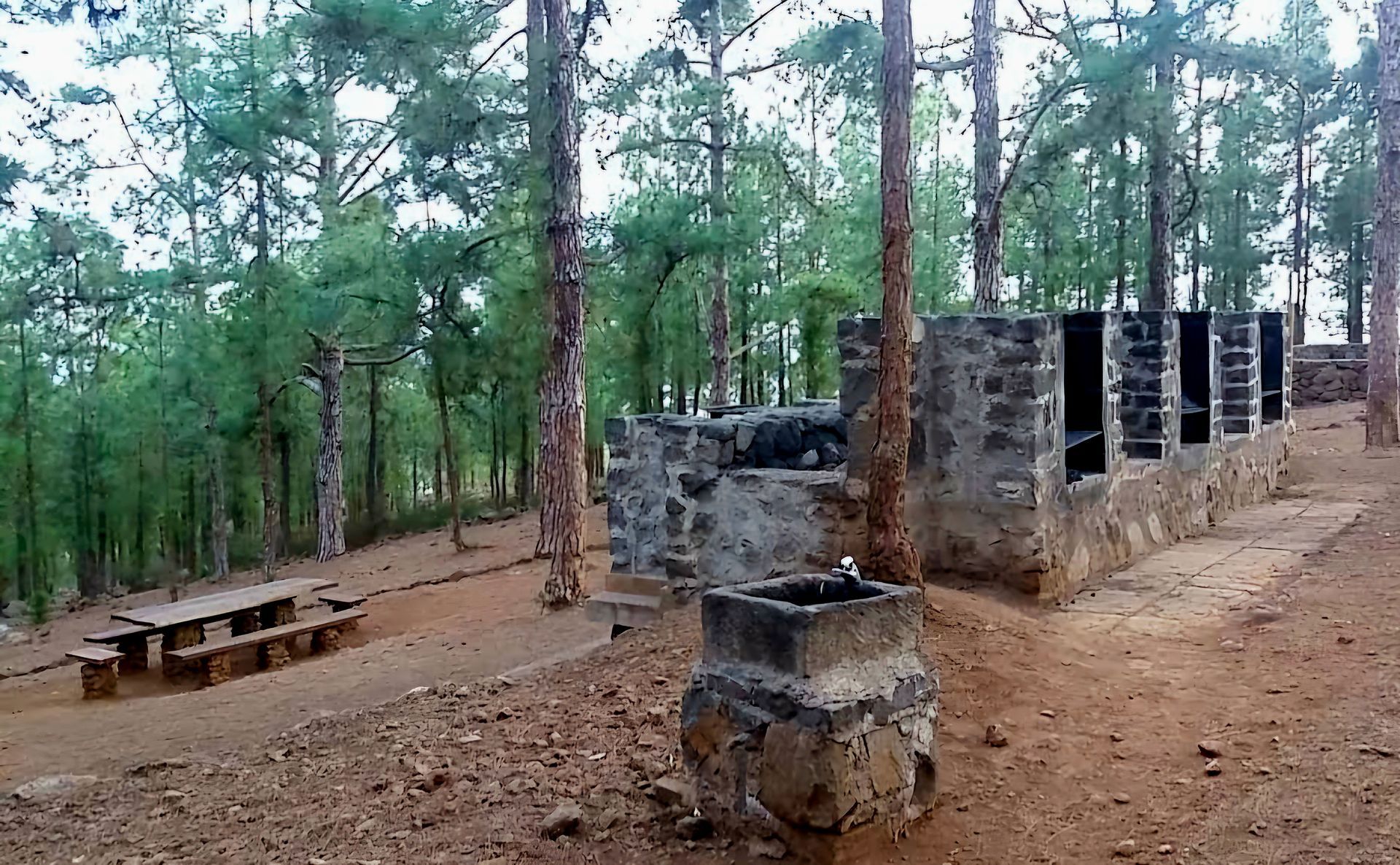
Most areas include:
- Built-in stone or metal BBQ grills
- Picnic tables and benches
- Drinking water points (in many locations)
- Toilets
- Children’s play areas in some parks
- Parking spaces nearby
According to the island’s official guidelines, these spaces are designed for safe outdoor cooking and social gatherings while preserving the surrounding natural environment.
Why Tenerife’s BBQ Areas Are So Special
What makes Tenerife’s BBQ spots unique is their setting. You are not just grilling in a park—you are often deep in:
- Canarian pine forests
- Mountain viewpoints
- Volcanic landscapes near Teide
- Hidden green valleys in the north
Many areas are located at altitude, meaning you can enjoy cooler temperatures even in summer, surrounded by nature rather than urban parks.
Another big advantage: they are free to use (in most cases), although some popular spots may require advance
booking.
The Best Designed BBQ Areas in Tenerife
Here are some of the most popular and scenic official BBQ locations across the island:
🌲 Cho Pancho (South Tenerife – Vilaflor area)
- One of the most loved BBQ and picnic areas in the south of Tenerife. Located in a peaceful pine forest above the tourist zones, Cho Pancho is perfect for families.
- Why people love it: Large BBQ grills and plenty of tables, Children’s playgrounds, Hiking trails nearby, Very well maintained and clean
- It’s only opened on weekends and holidays - local “festivos”, so arriving early is essential if you want a good spot.
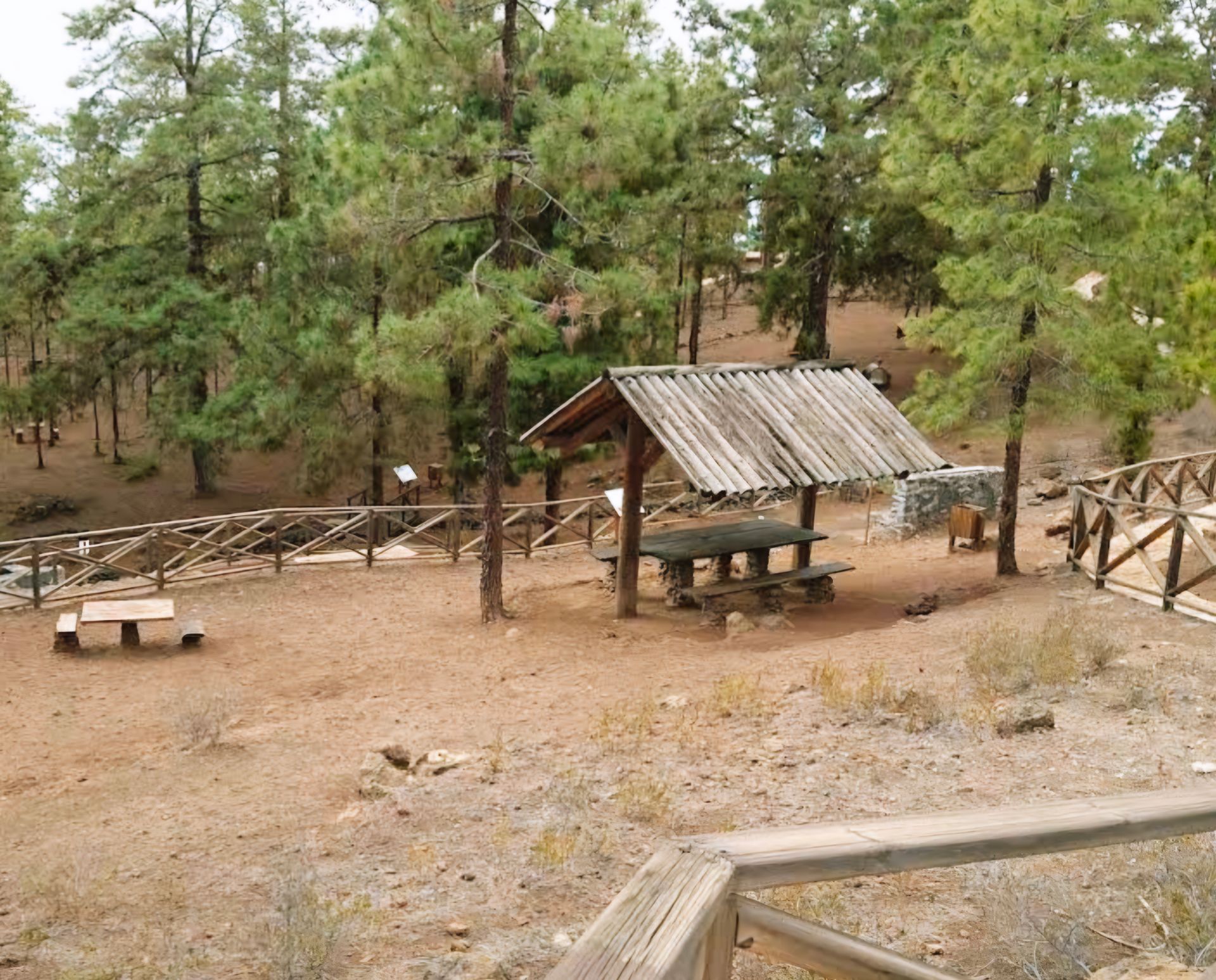
🌲 Las Lajas (Teide National Park area)
Located in a dramatic high-altitude setting near Teide National Park, Las Lajas offers one of the most scenic BBQ experiences on the island.
- Stunning volcanic surroundings
- Large picnic areas for groups
- BBQ facilities with strong fire safety rules
- Camping options with permits
It can get cold here, even
in summer evenings, so bring layers.
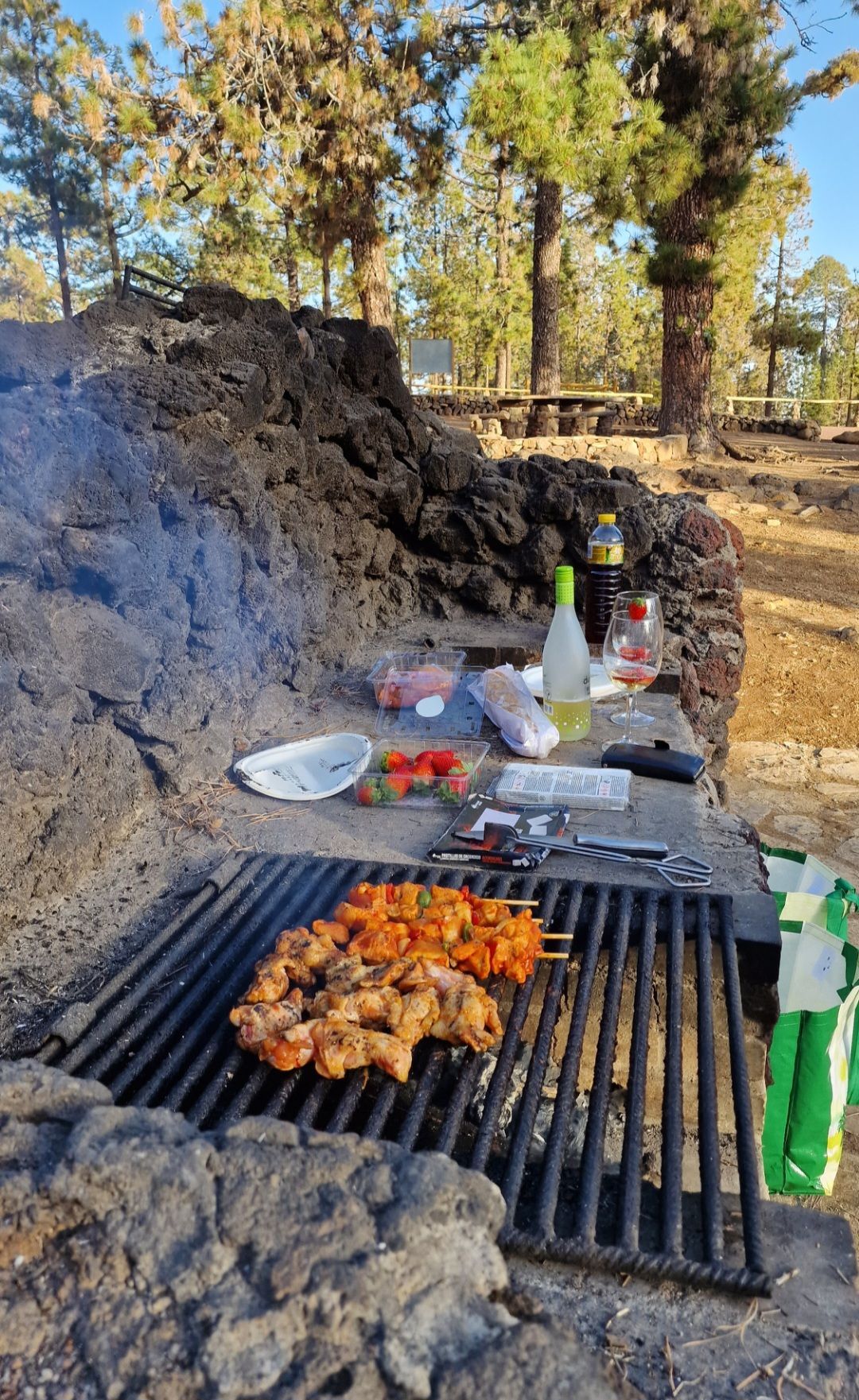
🌲 Fuente Fría (El Sauzal – North Tenerife)
A peaceful forest BBQ area in the north, surrounded by Canarian pine forest and lush vegetation.
- Traditional BBQ pits (fogones)
- Picnic tables in shaded forest
- Fresh mountain air and quiet atmosphere
- Great stop for hikers
Perfect if you want a calm escape away from tourist areas.
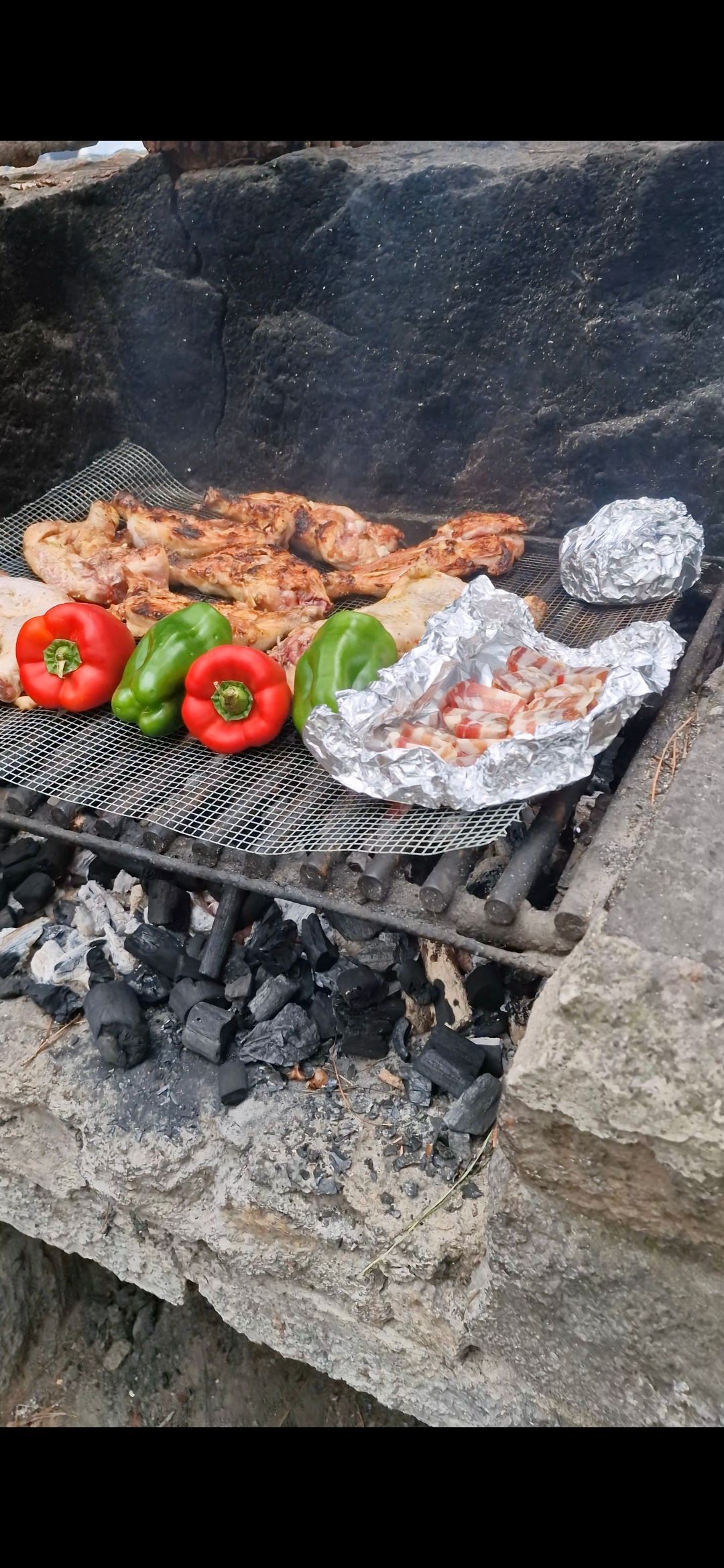
🌲 Los Pedregales (Buenavista del Norte)
Located on the edge of the Teno mountains, this BBQ area offers incredible views over valleys and rural landscapes.
- Scenic mountain views
- Walking trails starting directly from the area
- Camping nearby (with authorization)
- Very peaceful, less touristy
Ideal for combining hiking and BBQ in one day.
🌲San José de los Llanos (Chinyero)
This is the large recreational area next to the village and the Chinyero Nature Reserve. It has:
- Fixed barbecue/firepit areas ("fogones")
- Picnic tables and benches
- Toilets
- Children's play area
- Parking
- Adjacent camping area
- Access to hiking trails around Chinyero and Montaña Negra
The site is managed by the Cabildo de Tenerife and is one of the best-equipped BBQ areas in northwest Tenerife. It sits at about 1,000 m elevation, so it can be noticeably cooler and mistier than the coast.
Nearby alternative:
- Área Recreativa Puerto Escondido – another recreational area in El Tanque with picnic facilities and barbecue/firepit areas.
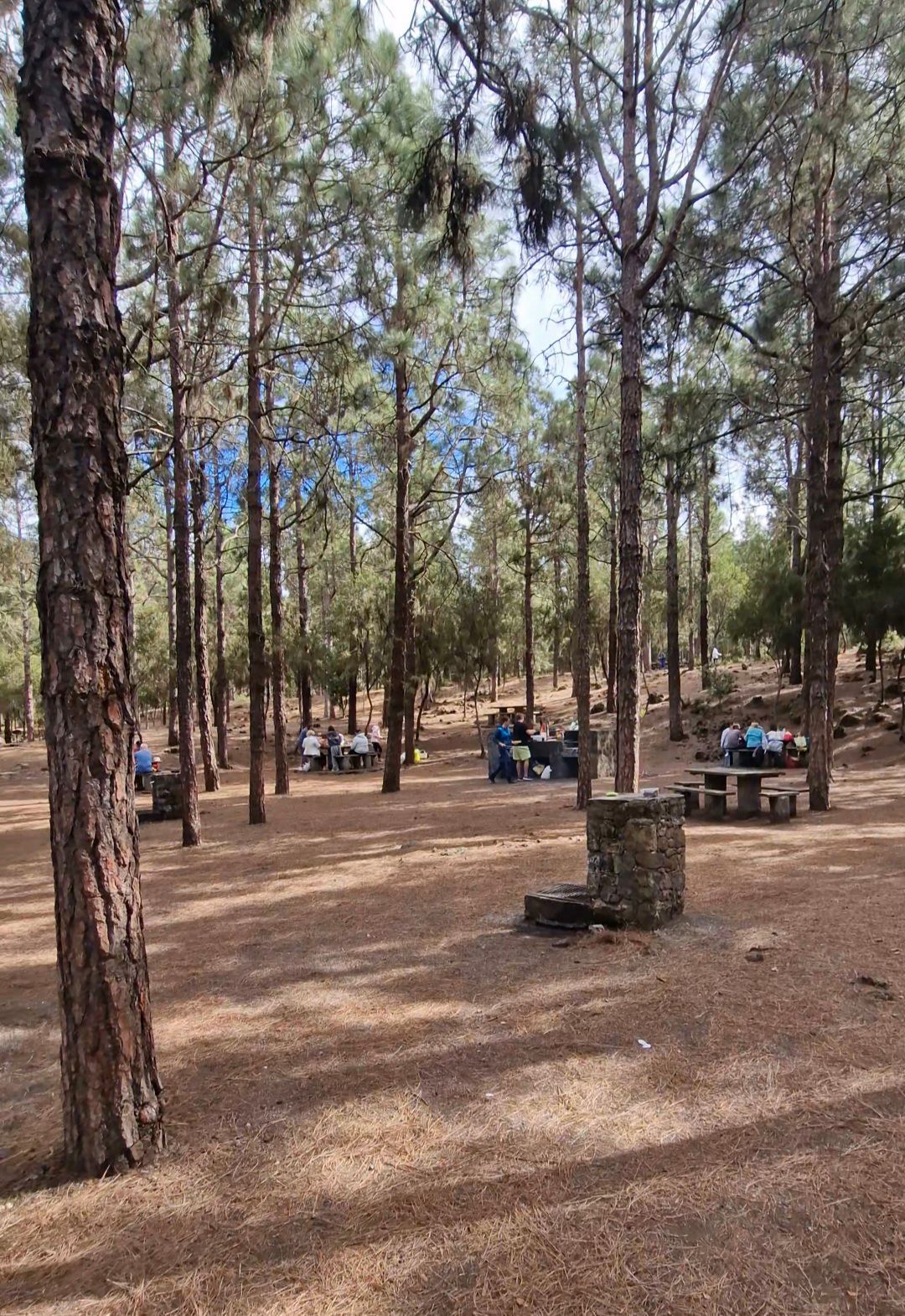
🌲 Chío Recreational Area (Guía de Isora)
A family-friendly BBQ park surrounded by pine forest, located between the south coast and Teide slopes.
- BBQ grills
- Picnic tables
- Children’s playground
- Water and toilets
- Easy access from main roads
A great middle-ground option between coastal and mountain Tenerife.
Important Rules You Should Know
While BBQ areas are very accessible, Tenerife has strict fire safety regulations:
- Only use designated BBQ grills
- No open fires outside marked areas
- Fire restrictions may apply in summer
- Always clean up after use
- Booking may be required in popular spots
- Alcohol and loud music may be restricted in some areas
These rules exist because Tenerife’s forests are highly vulnerable to fire, especially in dry months.
Tips for the Perfect BBQ Day in Tenerife
- Arrive early (especially weekends and holidays)
- Bring your own charcoal and food supplies
- Pack sun protection (even in forest areas)
- Bring toilet paper and essentials just in case
- Use reusable plates and avoid waste
Check weather and fire restrictions beforehand - if the island is in the risk alert due to high temperatures, the BBQ area will be closed by the government. - do not enter if there are tapes around or you risking getting a fine.
Final Thoughts
Tenerife’s designed BBQ areas are one of the island’s hidden gems. They offer a rare combination of nature, safety, and comfort, allowing both locals and visitors to enjoy outdoor cooking in some of the most beautiful landscapes in the Canary Islands.
Whether you prefer mountain pine forests, volcanic viewpoints, or peaceful rural parks, there is always a perfect spot waiting for your next BBQ adventure.
Katie
TINTO DE VERANO
The true symbol of a Spanish summer
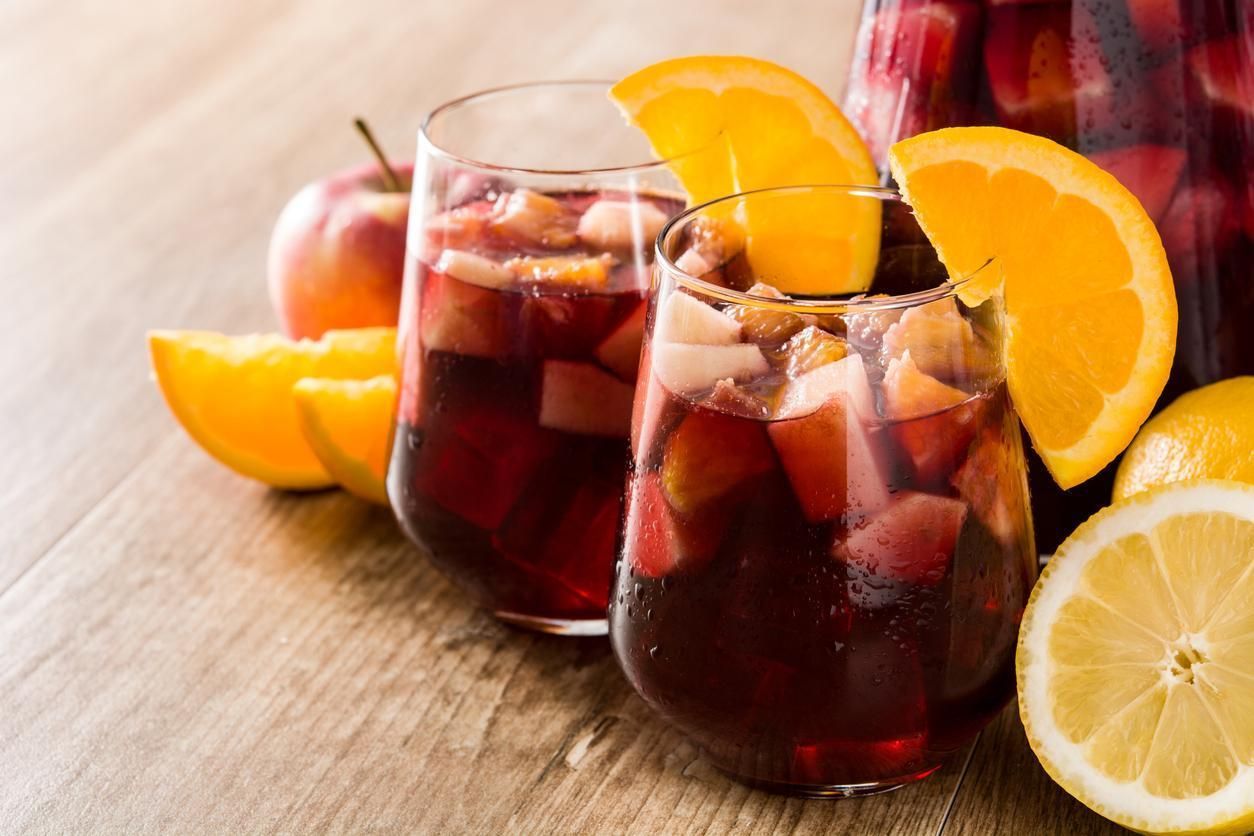
When people think of Spain, most imagine sunshine, beaches, tapas, and sangría. But among locals, there’s another drink that’s perhaps even more popular and authentic—tinto de verano, or “summer red wine.”
This refreshing drink is simple, light, and perfect for hot summer days. While sangría has become a tourist phenomenon, tinto de verano remains a daily staple for Spaniards at lunch, dinner, or when hanging out with friends in the evening.
History and Origins of the Drink
The roots of tinto de verano lie in Andalusia, likely dating back to the 1920s. It appears that it was first served at a bar in Granada as an alternative to red wine on its own, which was too heavy on hot days. By adding soda water or lemonade, a drink was created that was light and refreshing while retaining the character of the wine.
During the 1960s and 1970s, when Spain was experiencing a tourism boom, the drink spread throughout the country and became an integral part of Spanish gastronomy. Unlike sangria, which is prepared mainly for tourists and festive occasions, tinto de verano quickly found its way onto the tables of ordinary households.
How is it made?
One of the biggest advantages of tinto de verano is its simplicity. Unlike sangria, which uses more ingredients and takes time to prepare, anyone can make this drink in just a few minutes.
Basic recipe:
- Red wine – usually a light table wine (no need to buy expensive bottles)
- Gaseosa—a Spanish lemonade similar to 7Up or Sprite, or alternatively, sparkling water or lemonade
- Ice
- A slice of lemon for garnish
The usual ratio is 1:1, but it depends on your taste. Some people prefer more wine, others more lemonade.
Variations of Tinto de Verano
Although the basic recipe is straightforward, there are several variations that differ by region and personal preference:
- Con limón – with lemonade, which adds freshness and a slightly tart note.
- Con gaseosa – with sweet soda, typically popular in central and southern Spain.
- Con agua con gas – with sparkling water, suitable for those who prefer a less sweet version.
- With vermouth or liqueur – adding a dash of aromatic alcohol gives the drink a new dimension.
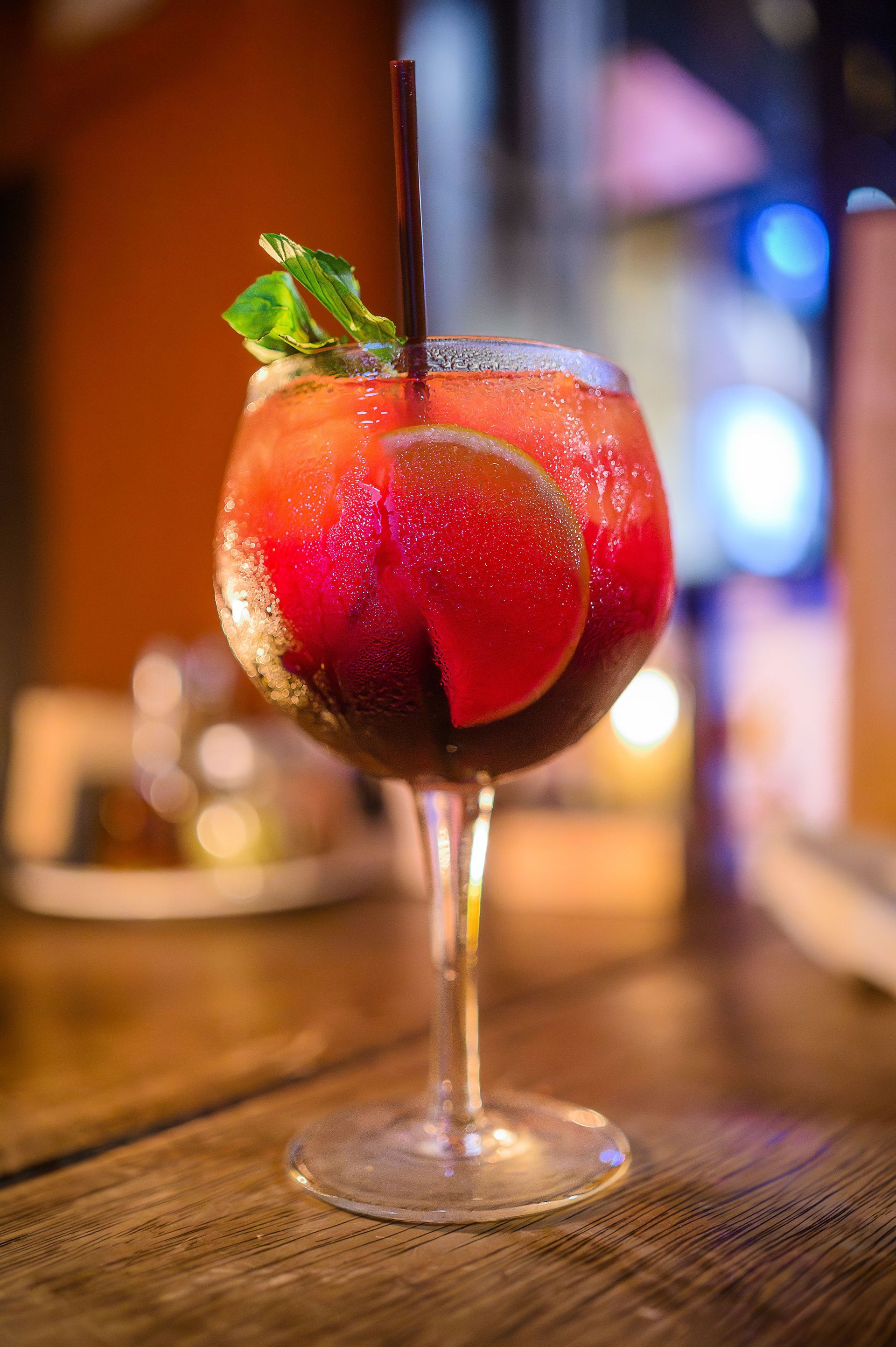
Why is it so popular?
The Spanish say that tinto de verano is sangría for every day. And they’re right. While sangría tends to be more festive, tinto is light, affordable, and fits perfectly into the Mediterranean lifestyle.
- Refreshment in the Heat – its low alcohol content and ice make tinto the ideal summer drink.
- Simplicity – quick to prepare without complicated ingredients.
- Affordability – it’s made with everyday table wines, not expensive bottles.
- Traditional Authenticity – if you want to drink like a local, order tinto, not sangría.
Tinto de verano vs. Sangría
Many tourists think the two drinks are similar, but the reality is quite different.
- Sangría – more complicated to prepare, more ingredients (wine, brandy, fruit, spices), stronger and sweeter. It’s often made for larger groups.
- Tinto de verano—a simple, light, and quick-to-make drink ordered mainly by locals.
So if you want to experience Spain “like a local,” try choosing tinto over sangría.
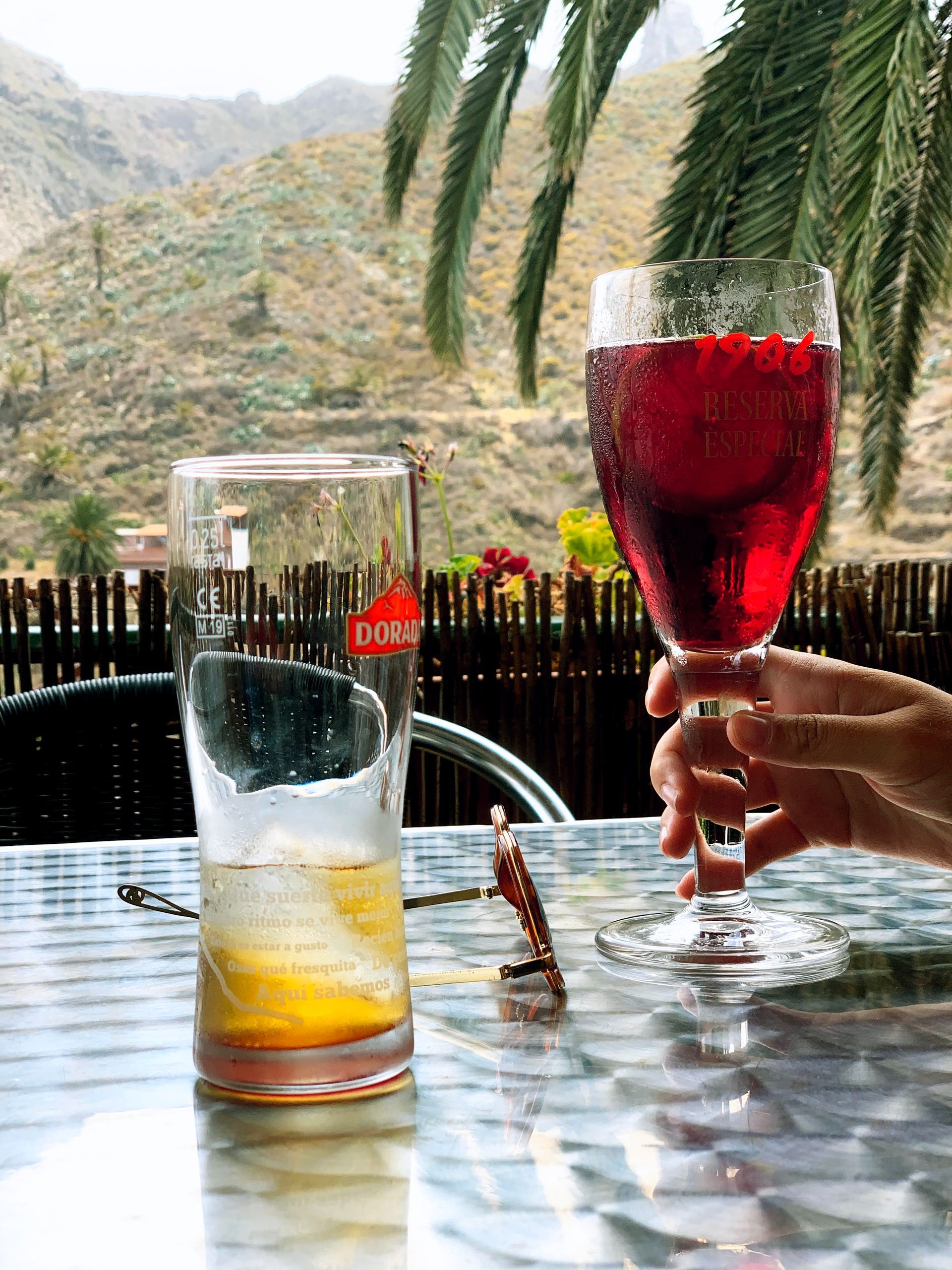
A Recipe You Can Make at Home
Want to relive your vacation in Spain right at home? Try this quick recipe:
- Put some ice cubes in a glass.
- Pour red table wine until the glass is about half full.
- Top it off with lemonade or soda water.
- Add a slice of lemon and stir gently.
And you’re done! 🍷✨
Conclusion
Tinto de verano isn’t just an ordinary drink—it’s part of Spanish culture and lifestyle. It’s a symbol of summer, relaxation, and friendly get-togethers. If you want to experience the true atmosphere of Spain, this simple drink definitely shouldn’t be missing from your table.
👉 What about you? Are you more of a sangría person, or are you more drawn to the simplicity and freshness of tinto de verano?
Lucie.
Tenerife for Nature Lovers
Natural Reserves - Anaga, Teno, and Malpaís de Güímar
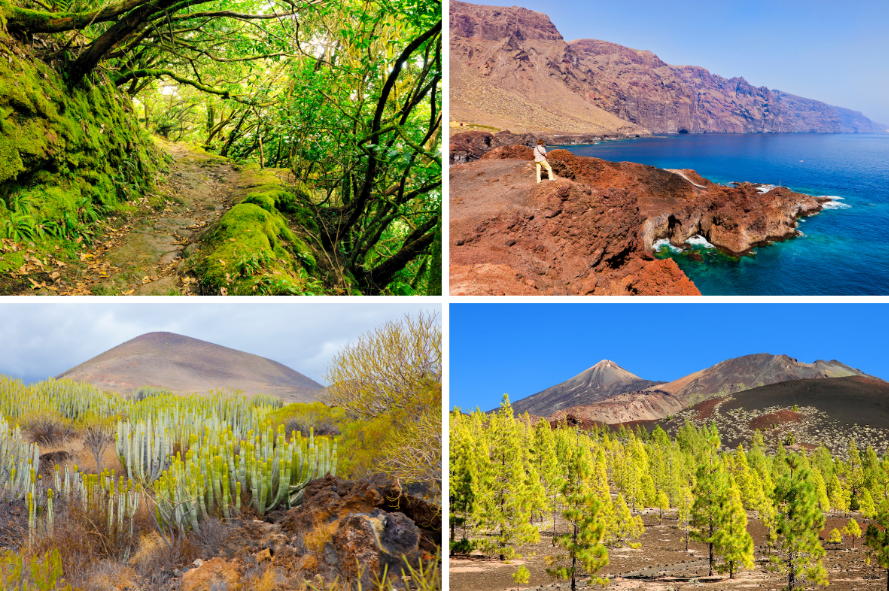
Anaga
Anaga is a mountain range in the northeast of Tenerife, which was declared a UNESCO Biosphere Reserve in 2015. This unique ecosystem includes stunning forests with misty and rainforests, steep cliffs, and picturesque valleys.
Anaga is a popular destination for hiking, thanks to its numerous trails that lead through beautiful sceneries and natural wonders. One of the most famous points is Cruz de Taborno, which offers a wonderful view of the surrounding landscape and coastline.
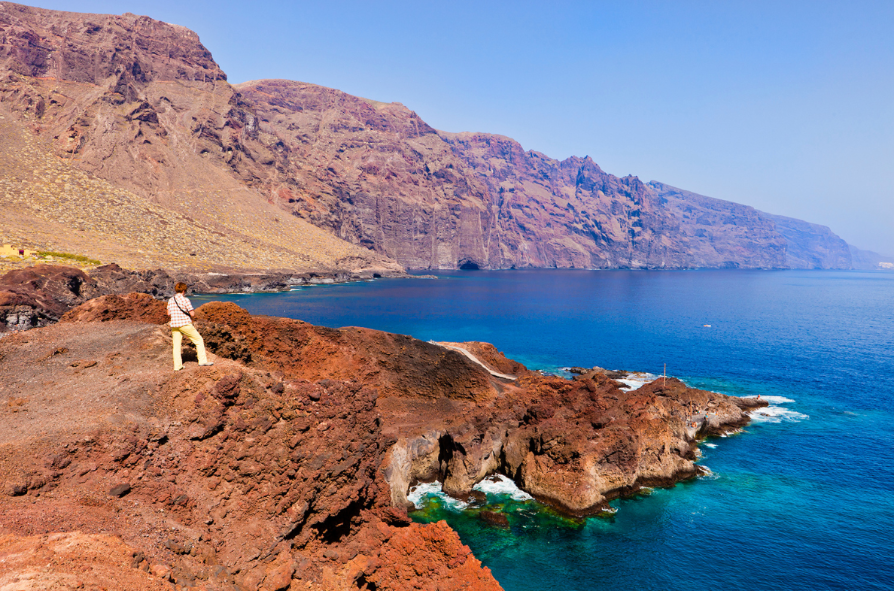
Teno
Teno is located in the northwest of the island and is one of the oldest geological sites in Tenerife. This volcanic massif includes breathtaking cliffs, valleys, and mountain peaks that reach up to 1,300 meters above sea level.
Teno is also home to several endemic species of plants and animals, making it an ideal place for nature lovers and birdwatching. One of the most famous places in the area is the village of Masca, which is surrounded by steep mountains and stunning ocean views. Tourists can enjoy a challenging but beautiful hike that leads from the village to the beach on the coast.
Malpaís de Güímar
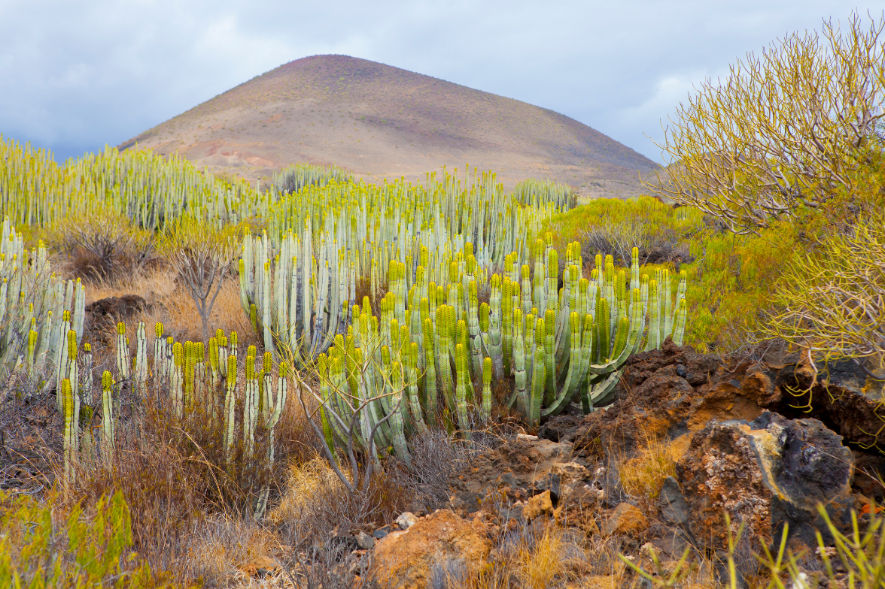
Malpaís de Güímar is a volcanic area in the east of the island, consisting of extensive lava fields and inhospitable landscapes. This natural reserve is home to many endemic plants and animals, including some endangered species. Despite its seemingly inhospitable landscape, Malpaís de Güímar is a fascinating place for exploring and observing nature.
In Malpaís de Güímar, there are several hiking trails that lead through lava fields, volcanic cones, and colorful areas with endemic plants such as tabaibas and cardones. One of the most popular trails is Sendero del Malpaís, which starts near the visitor center and offers beautiful views of the surrounding landscape and coastline. Another attraction in the area is Montaña Grande, the highest peak in the reserve, from where it is possible to observe panoramic views of the entire area.
Corona Forestal
Corona Forestal is an extensive natural park that covers an area of more than 46,612 hectares and surrounds Teide National Park. This park boasts beautiful pine forests, diverse plant species, and numerous endemic animal species.
The park is home to various bird species, such as the Canary pigeon, Canary goldcrest, and the barn owl, which can be observed during walks in the forest.
In Corona Forestal Natural Park, there are many hiking trails that offer different levels of difficulty and opportunities for discovery.
One of the most famous trails is Sendero de los Organos, which takes you through breathtaking landscapes with bizarre rock formations. Due to its diversity and size, the park is suitable for day trips where you can experience the beauty and tranquility of nature.
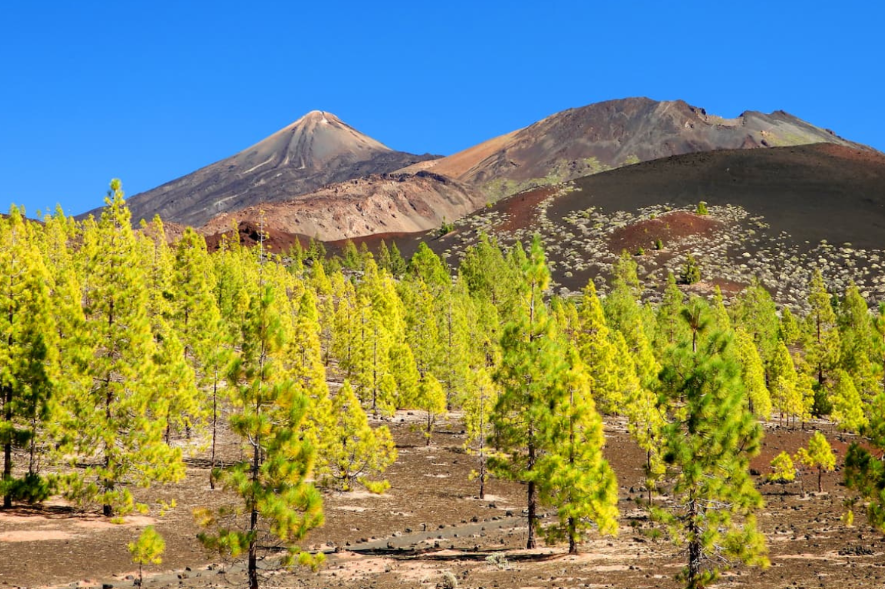
Tenerife is a true paradise for nature lovers, who will appreciate not only its diverse landscapes but also the wealth of local flora and fauna. From the natural reserves of Anaga, Teno, and Malpaís de Güímar to Teide National Park and Corona Forestal Natural Park, this island offers endless possibilities for hiking, discovery, and nature observation.
Make sure to include some of these captivating places in your itinerary when visiting Tenerife to fully enjoy the unique experience that this island provides. Fall in love with the beauty of Tenerife and become a part of its fascinating natural history.
Lucie.
December in Tenerife
An Advent season full of lights, traditions, and warmth in the middle of the Atlantic
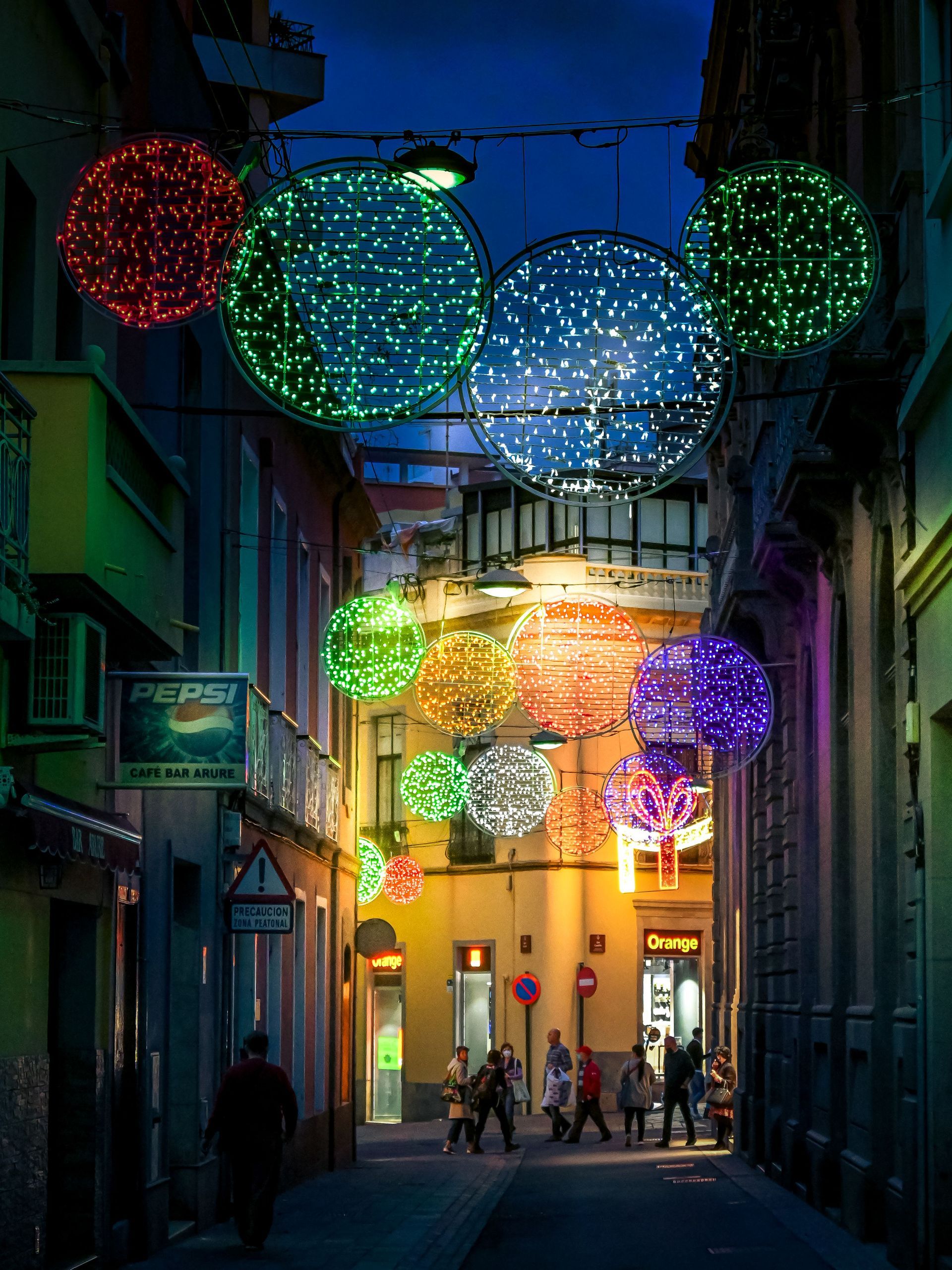
December in Tenerife is an experience that’s hard to describe until you’ve lived it.
While most of Europe is wrapping itself in coats, scarves, and twilight, here in the south of the Atlantic Ocean, a season is beginning when the island lights up with thousands of lights and comes alive—with concerts, markets, festivals, and nature that seems even more magical in winter than in summer.
With warm temperatures ranging from 22–27 °C, you can spend a single day strolling through historic streets, taking in the scent of Christmas treats, and then sitting on an oceanfront terrace in a short-sleeved T-shirt.
Advent here isn’t marked by pre-holiday hustle and bustle, but by the laid-back pace of the Canary Islands—slowly, with a smile, and with a strong emphasis on spending time together.
Here’s a selection of the best that December has to offer in Tenerife:
🎄 Magical light displays all over the island
The Christmas lightings are a real event in Tenerife—overnight, the towns are transformed into fairy-tale scenes full of color and light.
The most beautiful spots for an evening stroll:
- Santa Cruz – tunnels of lights, a huge Christmas tree, and a new design every year. The streets resemble a modern gallery of installations.
- La Laguna (UNESCO) – historic streets with elegant garlands and a lively Christmas atmosphere that lasts well into the night.
- Puerto de la Cruz—a stunning combination of the coastline, lights, and Christmas installations.
💡
Tip: Treat yourself to some churros con chocolate in the evening and enjoy a peaceful stroll. It’s one of those moments when you realize that Advent can also be about relaxation.
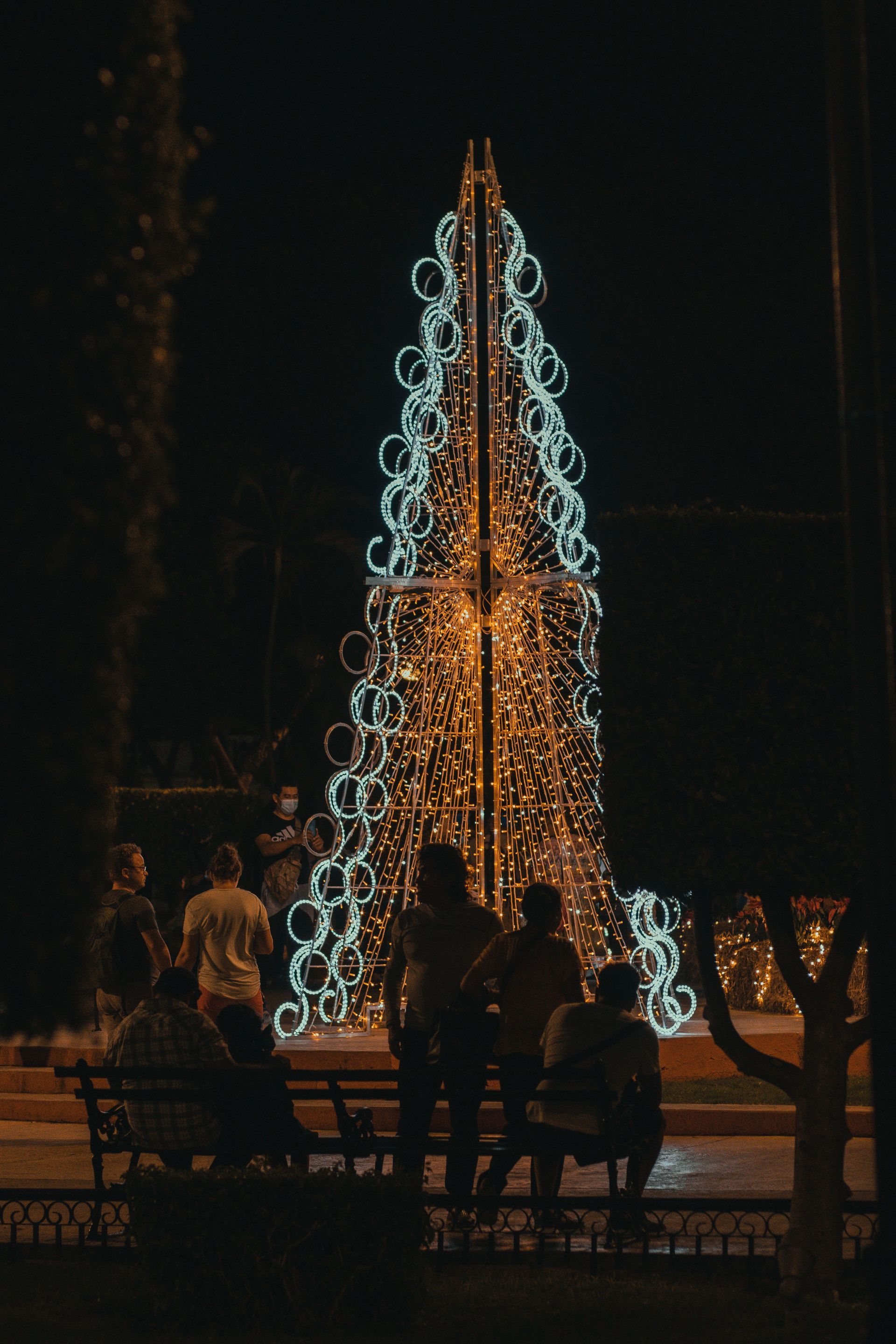
🎶 Europe’s Largest Christmas Concert – December 25
While locals celebrate Christmas Eve more modestly, December 25 is marked by a tradition unlike any other—every year, the Tenerife Symphony Orchestra’s Grand Christmas Concert takes place at the Santa Cruz harbor, watched by thousands of people both in person and on television.
- The backdrop of the ocean and the starry sky gives the concert a unique atmosphere.
- Thousands of spectators watch the concert, not only in person but also on TV. It is the cultural highlight of the entire month of December.
- Admission is usually free or for a nominal fee.
It is one of the most culturally significant events of the entire year and an experience you’ll truly remember.
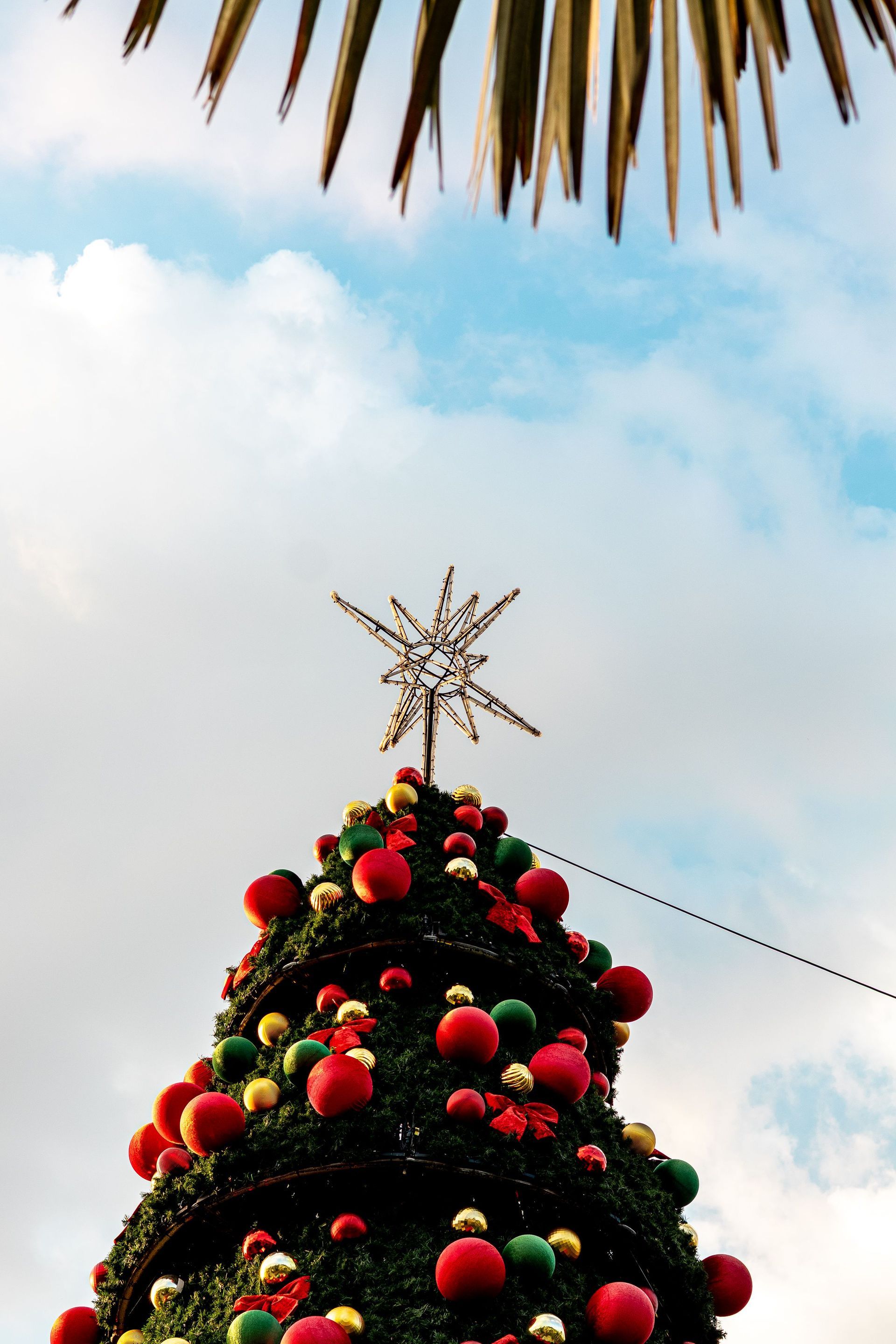
🛍️ Christmas Markets and Traditional Crafts
Tenerife doesn’t have the typical European markets with mulled wine and sausages, but it does offer what the island is known for—crafts, local products, and the creativity of local artists.
Where to go:
- Feria de Artesanía - Santa Cruz – the largest market for traditional products on the island (this year it will take place from December 5 to 8, 2025).
- Mercado Navideño - La Laguna – a great place to shop for original Christmas gifts (usually held from early December through January 6).
- Adeje & Arona – smaller markets featuring handmade goods, jewelry, decorations, and Canarian delicacies.
What you should try:
- Turrón, marzipan, polvorones
- Traditional Roscón de Reyes – served on January 6; it usually contains a tiny figurine for good luck
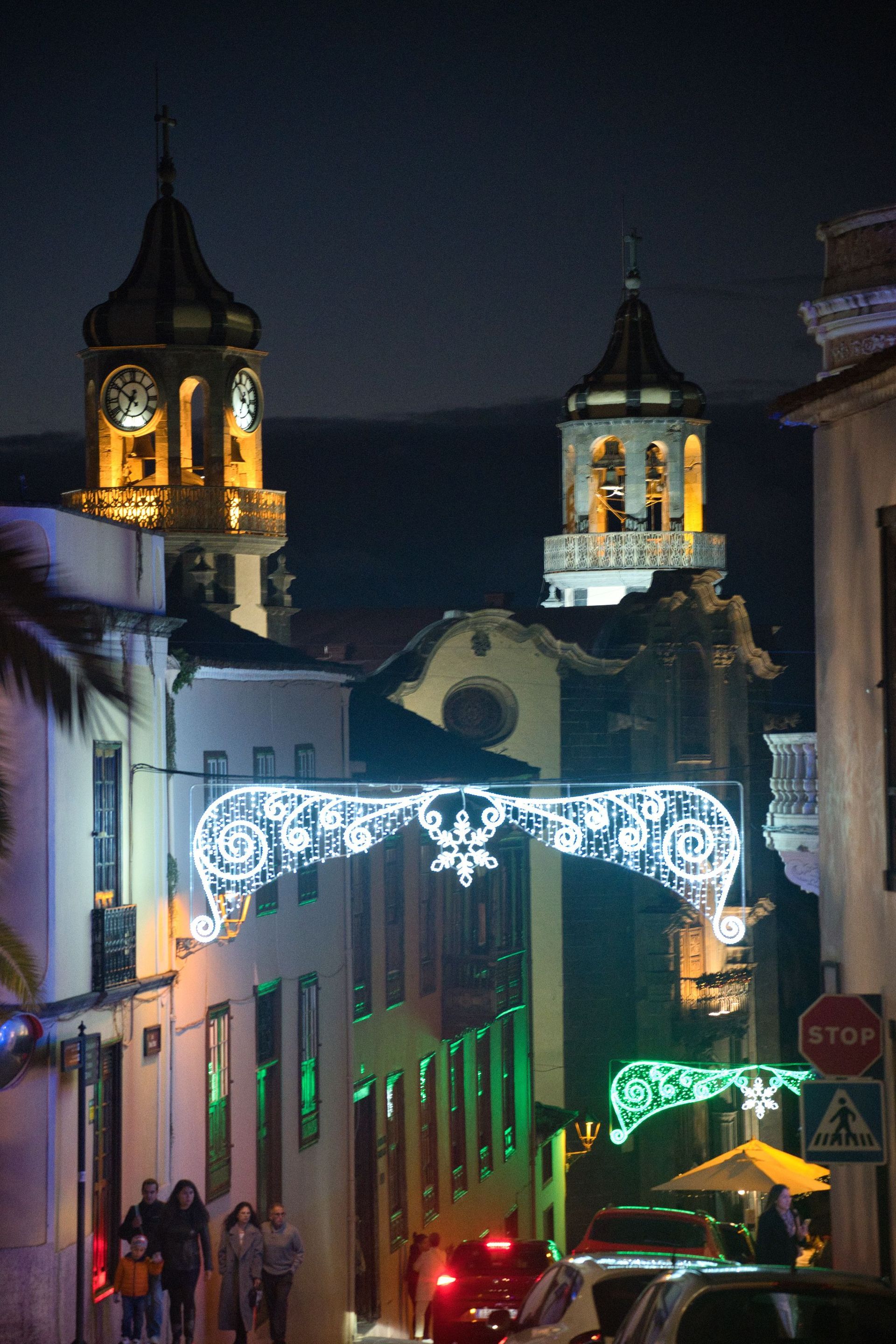
✨ The Most Beautiful Nativity Scenes (Belenes)
Nativity scenes are a major part of Christmas culture in Tenerife. They are often large-scale and meticulously crafted displays.
Top Spots:
- Belen de Candelaria – the largest and most visited (open from November 21, 2025, to February 2, 2026).
- Belen de La Orotava – artistically elaborate and very popular (usually opens in late November and remains open until January 6).
- The Maritime Nativity Scene in Puerto de la Cruz – an original and unique display featuring fishermen and ocean motifs (usually on display from early December to early January).

❄️ It Can Snow Here, Too: Snow-Covered Teide
A trip to Mount Teide can be an extraordinary experience in December. Snow usually falls during the month, so in a single day you can:
- relax on the beach in the morning at 25 °C
- admire Spain’s highest snow-capped mountain—Teide—in the afternoon.
- This contrast is unparalleled.
Just be careful—if there’s a heavy snowfall, the roads to the national park are often closed.
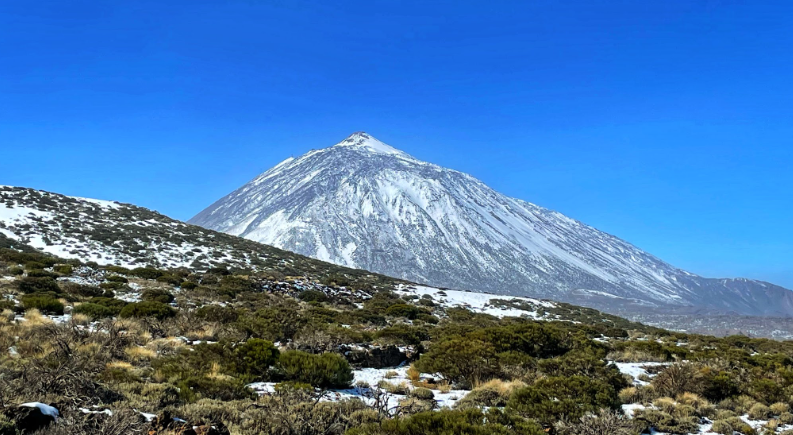
🌅 Nature in December—beautiful, green, and peaceful
December offers ideal conditions for excursions:
- Masca—green, warm, and less crowded than in the summer months.
- Anaga—mysterious, misty forests straight out of a fairy tale.
- Los Gigantes—the best season for whale watching.
In addition to Advent, December is also the best month of the year for whale and dolphin watching thanks to the calm seas and frequent sightings.
🎉 New Year’s Eve under the palm trees
New Year’s Eve celebrations in Tenerife are one-of-a-kind. Concerts, fireworks, and festivities take place all over the island.
Top spots:
- Santa Cruz – traditional fireworks display at the harbor
- Los Cristianos & Las Américas – lively streets and parties until dawn
- Costa Adeje – fireworks right over the ocean
Many people spend midnight right on the beach. In a sweatshirt? No way. Summer clothes are all you need.
🧑🤝🧑 Who will really enjoy December in Tenerife?
- Families → a safe environment, warm weather, plenty of activities for kids
- Couples → romance by the ocean, concerts, beautiful sunsets, nature
- Adventurers → hikes, Teide, Anaga, whales
- Those escaping the winter → 25 °C instead of freezing temperatures and gray skies
Conclusion: December is one of the best months to visit Tenerife
Advent in Tenerife isn’t about hustle and bustle, winter, or stress. It’s about lights among the palm trees, open-air music, great food, and the warmth that envelops you the moment you arrive. It’s a Christmas atmosphere like no other—relaxed, refreshing, and yet beautifully festive.
Whether you come here for nature, relaxation, or just to soak up the sun, December will show you Tenerife at its most beautiful. And who wouldn’t want to enjoy December in the warmth, walking around in just a T-shirt?!
Katie
The San Sebastián Festivities in Adeje: tradition, faith and the unique atmosphere of southern Tenerife
The San Sebastián festivities are not merely a religious event.
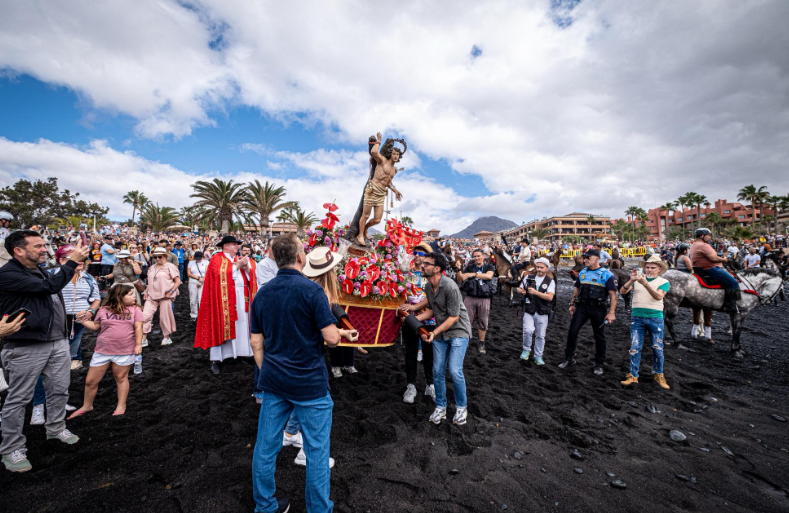
Every year on 20 January, the town of Adeje comes alive with one of the most significant and best-attended festivals in the south of the island. The festivities in honour of San Sebastián, the town’s patron saint alongside Our Lady of the Annunciation and Saint Ursula, are among the events that attract not only local residents but also visitors from all over Tenerife, the neighbouring islands and even La Gomera.
A festival that brings generations together
The San Sebastián festivities are not merely a religious event. Above all, they are a place for people to come together, share traditions and strengthen the community spirit. Families, farmers, livestock breeders and young people all come to Adeje to carry on the customs of their ancestors. The celebrations traditionally begin on the eve of the festival and reach their peak the following day.
San Sebastián Day: from the church to the sea
The main day of the festivities begins with morning mass, after which the venerated statue of Saint Sebastian is carried out of the church towards the sea. The procession is accompanied by horsemen, who are among the most striking symbols of this fiesta.
The highlight is the riders and their horses entering the sea at La Enramada, a unique spectacle combining:
- reverence for the saint
- a connection with animals
- the riders’ personal courage and skill
This scene has become an iconic feature of the San Sebastián celebrations and attracts thousands of spectators every year.
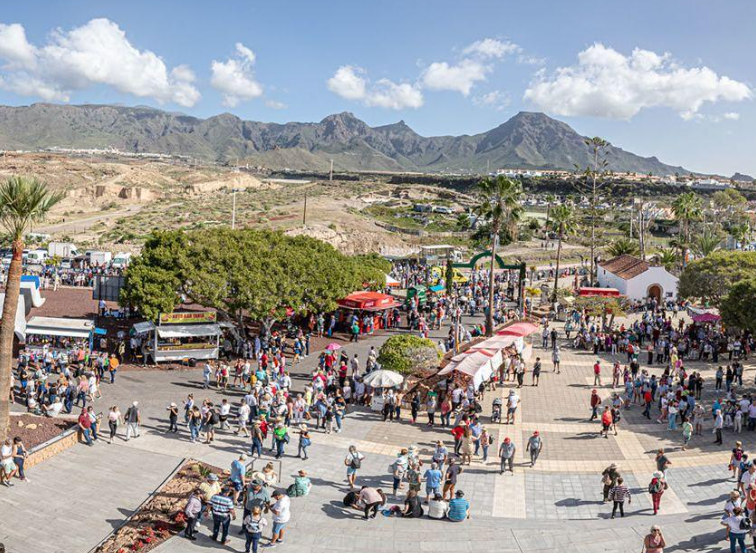
The Romería and the Blessing of the Animals
An equally popular part of the festivities is the romería – a folk procession, in which not only people in traditional costume take part, but also farm animals. In the streets of Adeje, you can see oxen and cows, goats and sheep, camels and herding dogs.
The procession ends in San Sebastián Square, where the local parish priest
blesses the animals, an act of deep symbolic significance, particularly for the region’s farming and pastoral communities.
Music, dance and flavours of the Canary Islands
The festive atmosphere is enhanced by Canarian folk music and dances, such as folías, isas, seguidillas and tajarastes. Around the historic chapel, ventorrillos and stalls spring up, where visitors can sample local cheeses and traditional dishes, Canarian wine, and artisan and handcrafted products.
The fiesta thus offers an authentic experience of Canarian culture in its purest form.
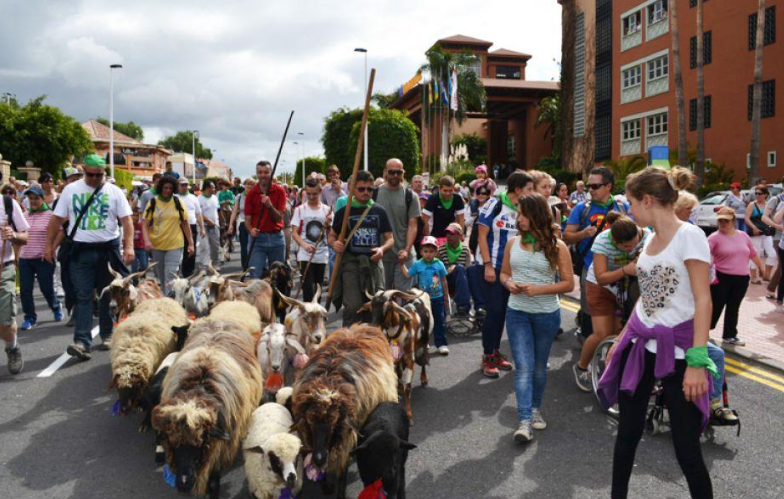
A history dating back to the 16th century
The San Sebastián festivities in Adeje are among the oldest in Tenerife. Their origins date back to the early 16th century, when a place of worship dating from before the Spanish conquest of the island stood on this site. Over time, the festivities have evolved and adapted to new customs, without losing their essence.
The statue of Saint Sebastian from the original hermitage is held in particular reverence, and for centuries it has been credited with miraculous healing powers. Even today, the faithful turn to him with prayers for health, help or the fulfilment of a vow.
A tradition that transcends religion
San Sebastián in Adeje is not merely a religious festival. It is a living tradition that links the past with the present, locals with visitors, and faith with everyday life. It is precisely this combination that makes the celebrations one of the most authentic events to be experienced in the south of Tenerife.
Here you can watch a highlights reel from 2013 (clicking on the link will open a YouTube video).
Lucie
August in Tenerife
5 Experiences You Shouldn't Miss This Summer!
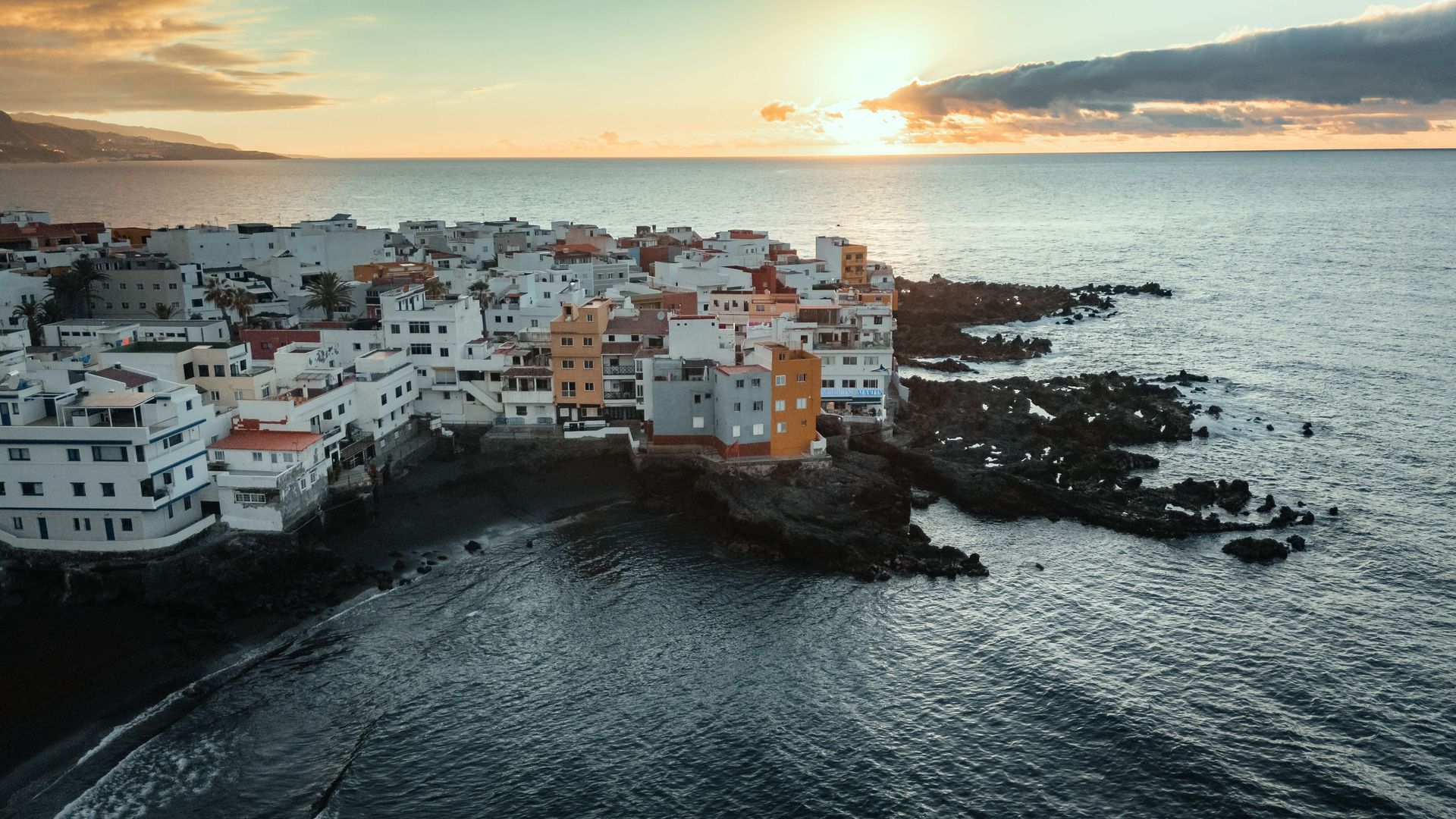
August is one of the best times to visit Tenerife. The island enjoys long sunny days, temperatures between 28–31°C (82–88°F), warm Atlantic waters, and a vibrant atmosphere filled with cultural events and outdoor activities.
Whether you're looking for relaxation, adventure, or authentic local experiences, here are five highlights that deserve a place on your itinerary.
1. El Médano Becomes the World Capital of Windsurfing
Every summer, the charming coastal town of El Médano hosts one of the island's most exciting sporting events – the Wind & Waves Festival.
From 31 July to 9 August 2026, some of the world's best windsurfers will compete on the famous Playa El Cabezo, a beach known for its perfect wind conditions.
But the festival is much more than a competition. Visitors can enjoy:
- Spectacular windsurfing and wingfoil competitions
- Live music and evening concerts
- Local food stalls
- Family-friendly entertainment
- A lively beachfront atmosphere
Even if you've never tried windsurfing, watching professional athletes perform incredible jumps and tricks just a few metres from the shore is an unforgettable experience.
El Médano itself is one of the most authentic towns in southern Tenerife. With its relaxed vibe, beautiful beaches, cafés, and seaside promenade, it's well worth visiting at any time of the year.
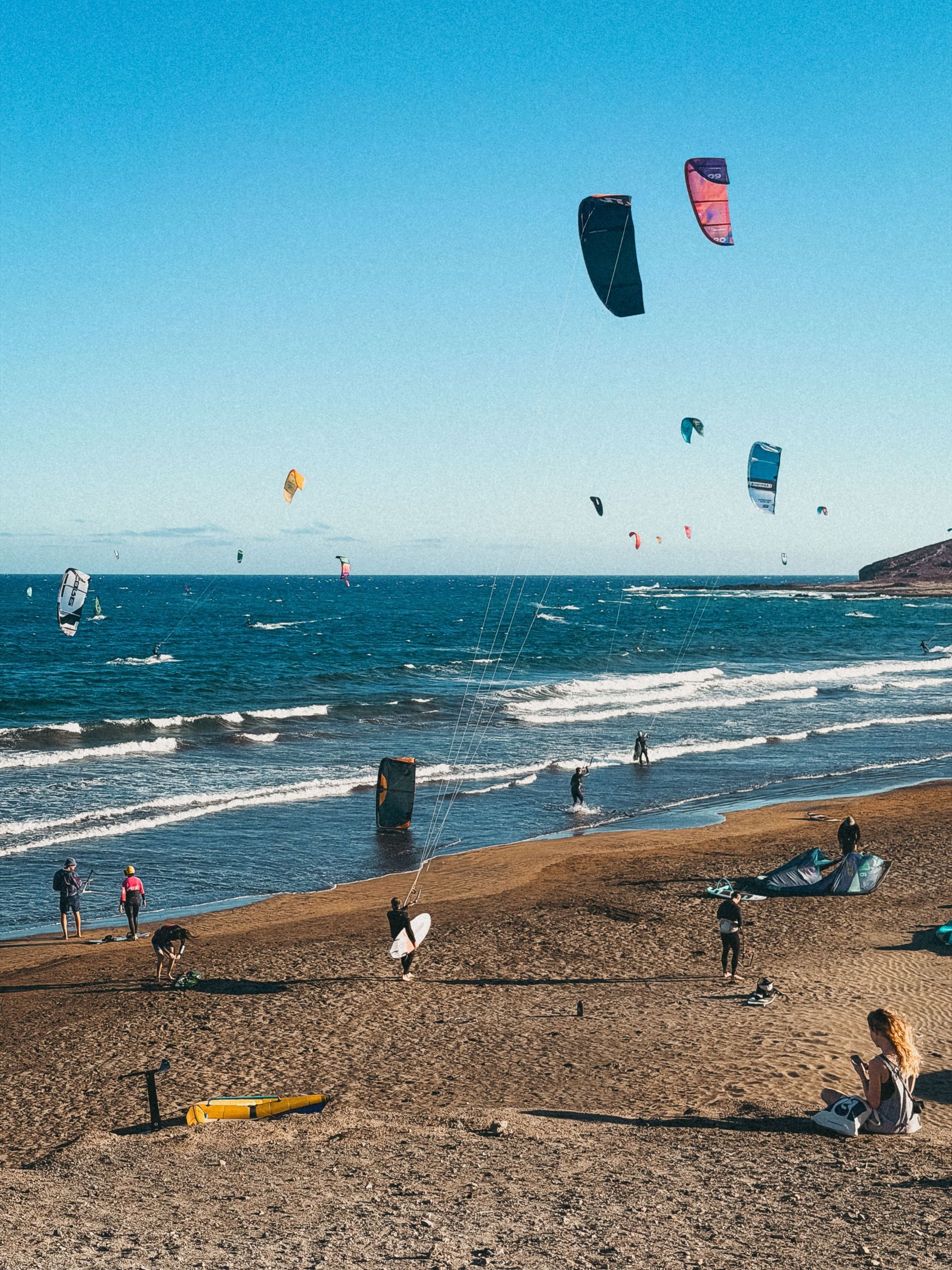
2. August Is the Best Month for Stargazing
Tenerife is internationally recognised as one of the world's best destinations for astronomy.
Thanks to its clear skies, high altitude, and low light pollution, Teide National Park offers exceptional conditions for observing the night sky.
August is especially popular because it brings the annual Perseid meteor shower, often called the "shooting stars." During the peak nights, visitors may see dozens of meteors every hour under favourable conditions.
For the best experience, drive up to the national park before sunset. Watching the volcanic landscape transform under the golden evening light before the stars appear is an unforgettable experience.
Don't forget warm clothing—even in summer, temperatures at higher elevations can be surprisingly cool after dark.

3. Experience Authentic Tenerife in Candelaria
If you'd like to discover the island beyond its beaches and resorts, visit the beautiful town of Candelaria during its traditional summer celebrations.
Every August, thousands of locals gather to honour Our Lady of Candelaria, the patron saint of the Canary Islands.
The town comes alive with:
- Traditional processions
- Live music
- Cultural performances
- Local cuisine
- Evening celebrations around the basilica
It's one of the best opportunities to experience authentic Canarian culture and see a different side of Tenerife.
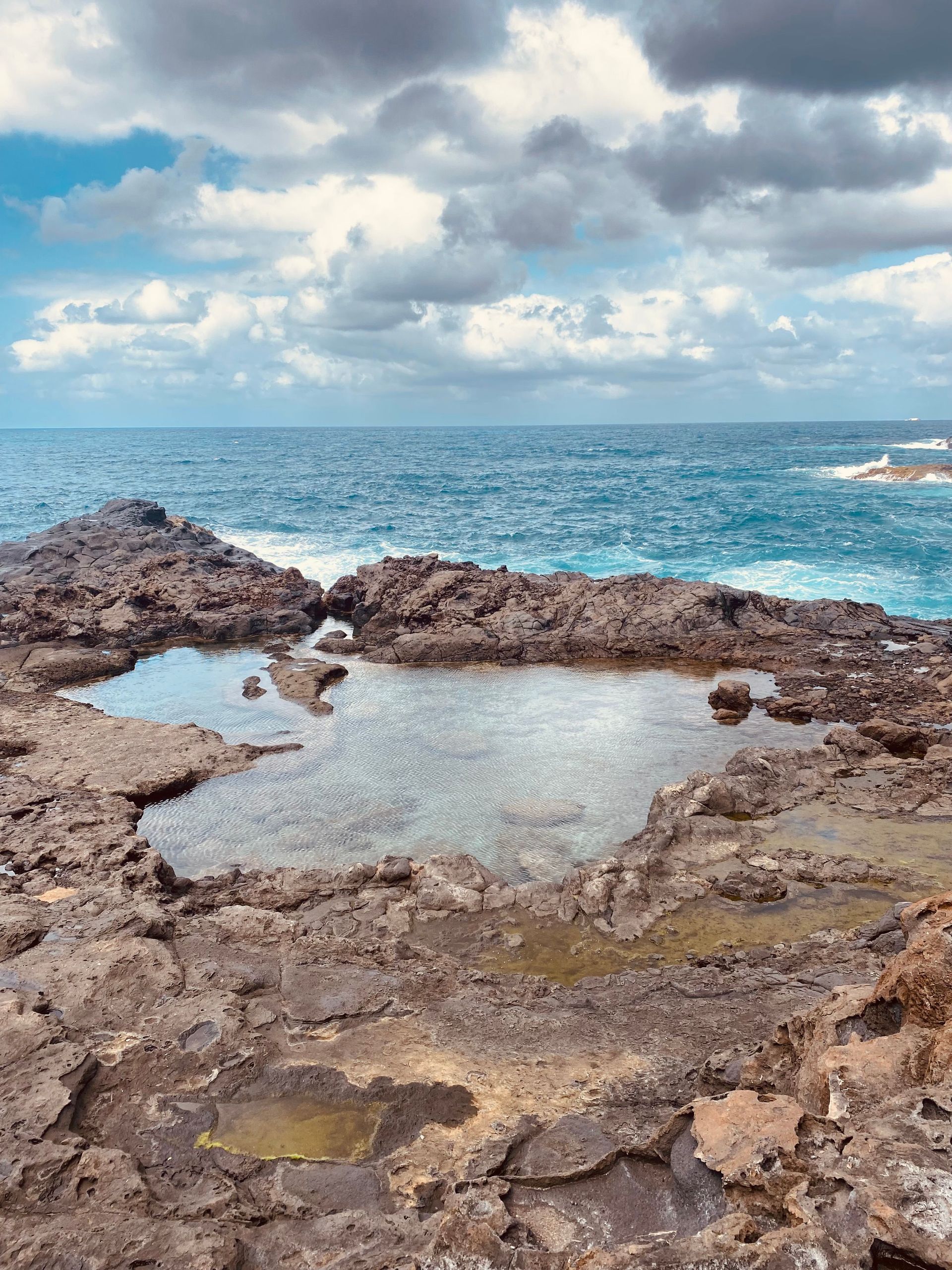
4. Cool Off in Tenerife's Natural Swimming Pools
While Tenerife is famous for its beaches, many locals love spending their summer days in the island's spectacular natural lava pools.
Some of our favourites include:
- Charco de La Laja – a dramatic natural pool surrounded by volcanic rocks.
- Mesa del Mar – combining a sandy beach with a beautiful seawater pool.
- El Caletón in Garachico – one of Tenerife's most iconic natural pools, created by ancient lava flows.
- Bajamar Natural Pools – spacious pools ideal for families and safe swimming.
Always pay attention to local warning flags and sea conditions, as Atlantic waves can change quickly.
5. Watch the Sunset in Teide National Park
No trip to Tenerife is complete without visiting Teide National Park.
As the sun begins to set, the volcanic landscape turns shades of gold, orange, and deep red. After nightfall, the sky reveals thousands of stars, making it one of Europe's finest locations for astrophotography and stargazing.
If you're planning to take the cable car or hike to the summit of Mount Teide, be sure to book in advance, especially during the busy summer season.
Nova Tenerife's Travel Tips
August is one of the busiest months on the island, so we recommend:
- Starting your day early to avoid the crowds.
- Booking accommodation well in advance.
- Renting a car to explore hidden beaches, charming villages, and breathtaking viewpoints away from the main tourist areas.
Some of Tenerife's most unforgettable places are often the ones you'll find off the beaten path.
Planning Your Holiday in Tenerife?
At Nova Tenerife, we're here to help you make the most of your stay. From carefully selected holiday accommodation to local recommendations and hidden gems, we'll help you experience the island like a local.
Contact us: info@novatenerife.eu
Are you interested in Tenerife and want to learn more?
Contact us:
Contact us any time
We will get back to you as soon as possible.
Please try again later.